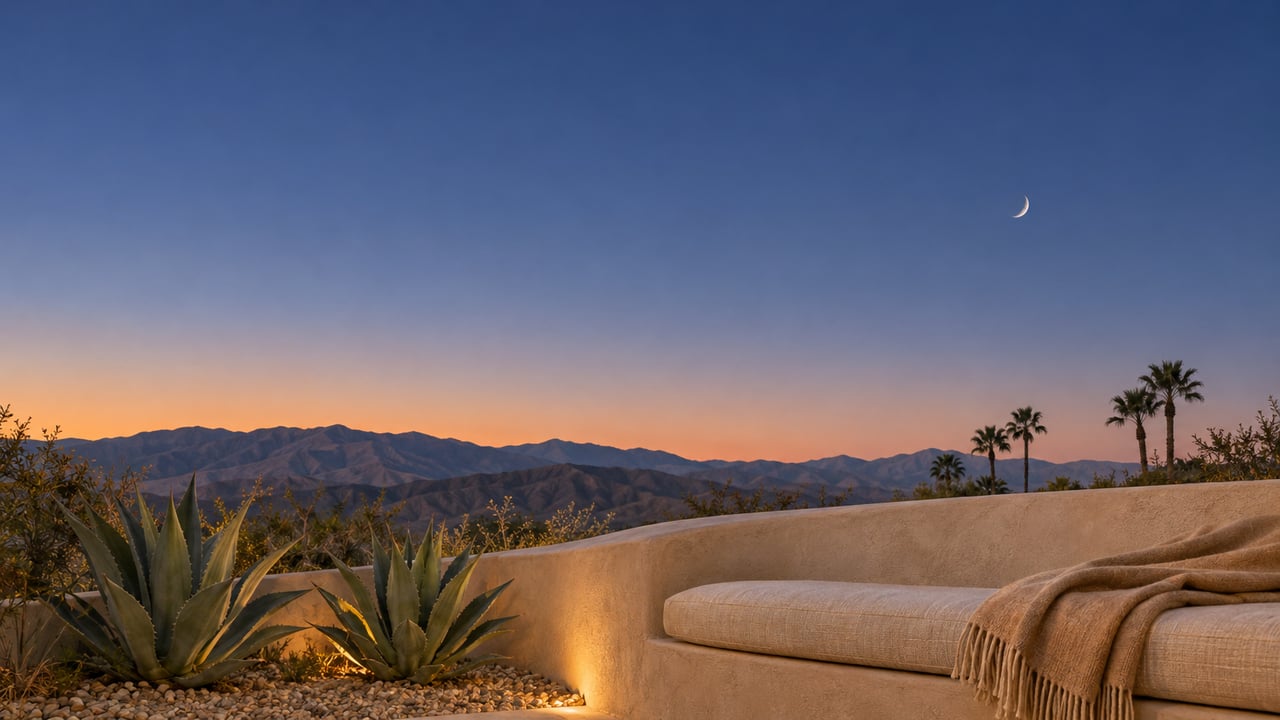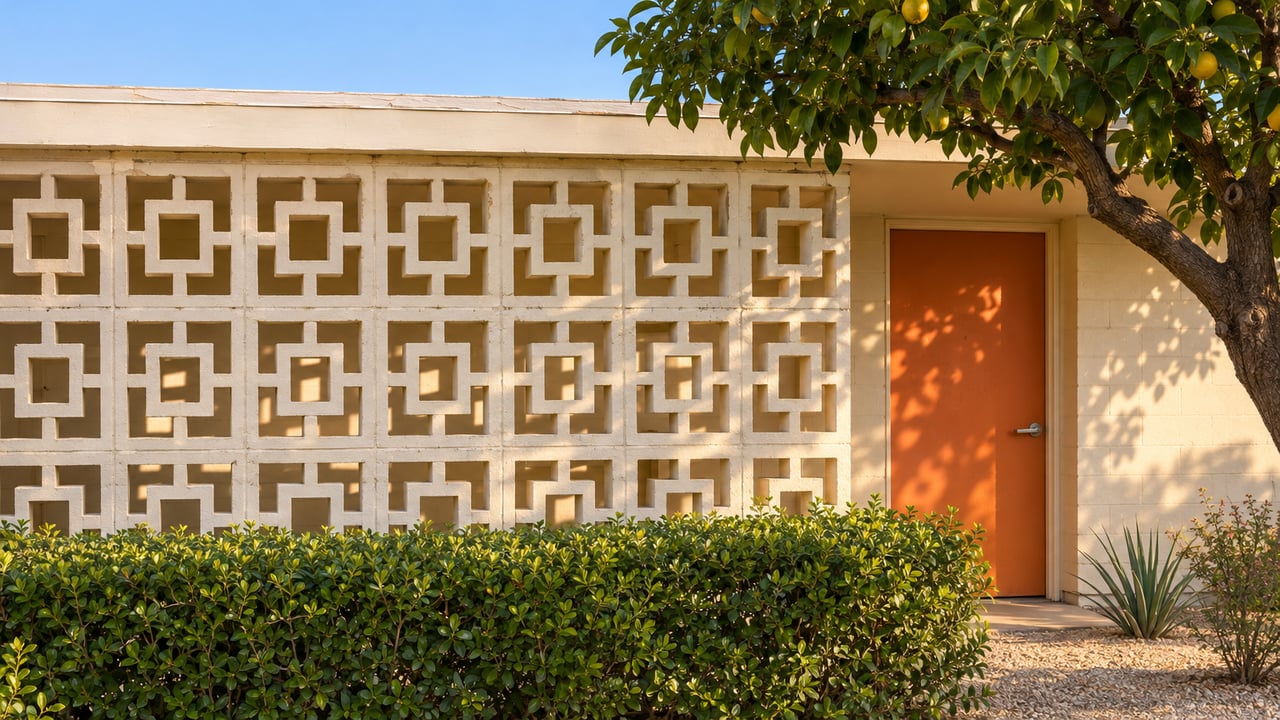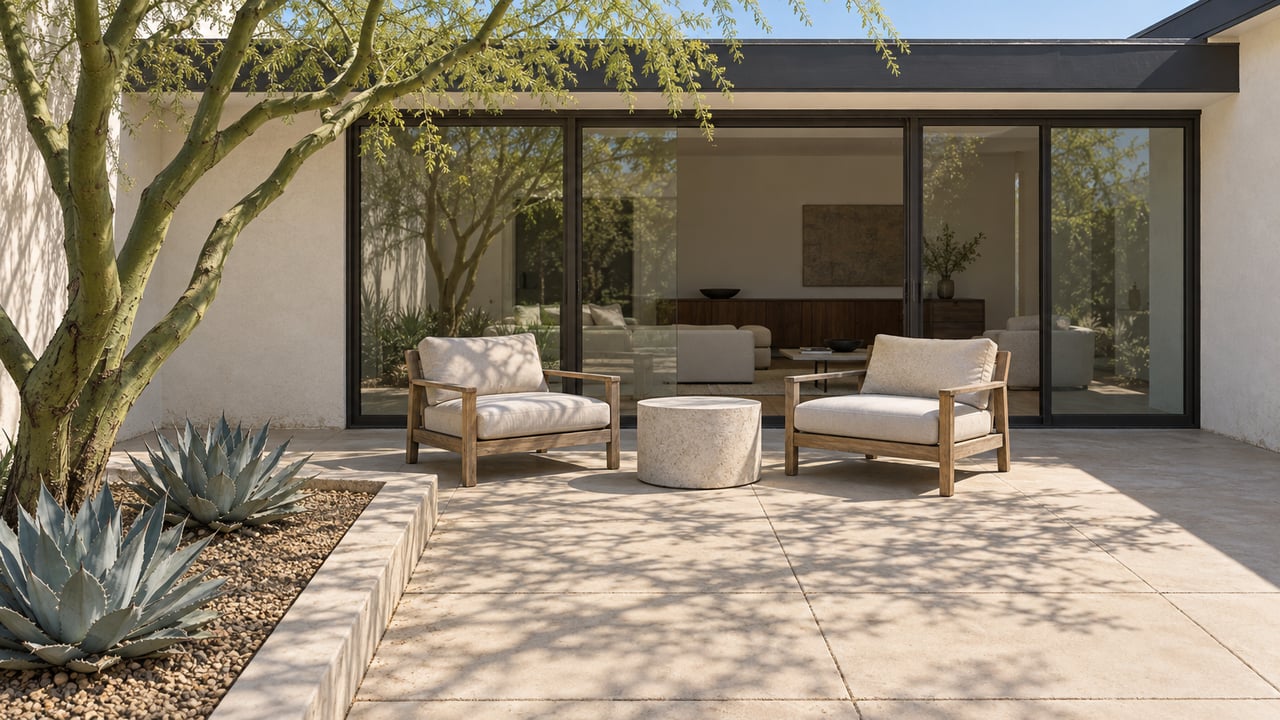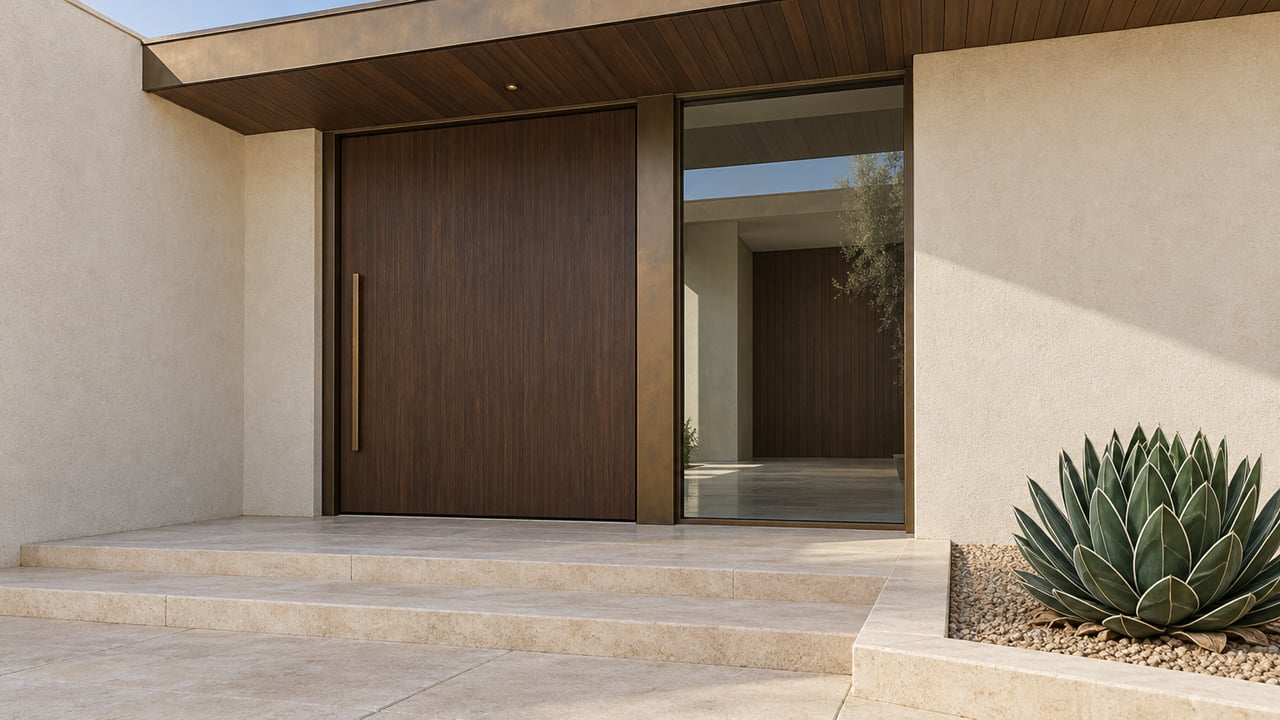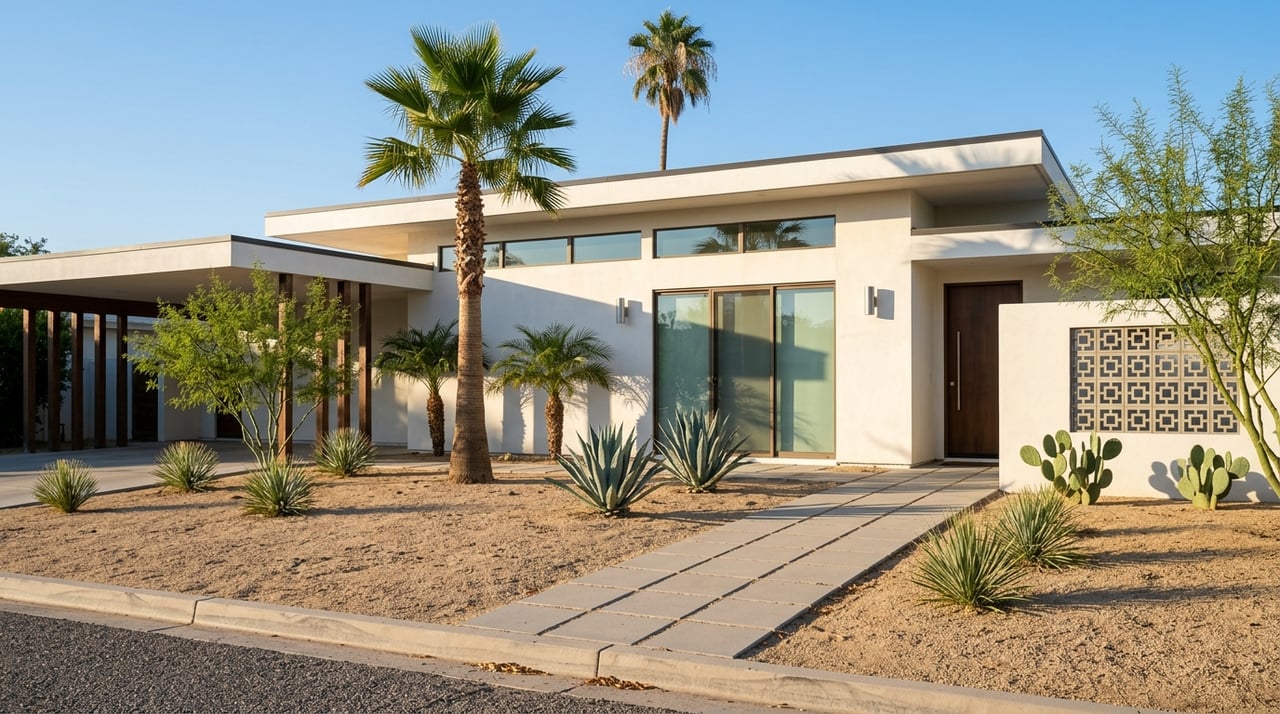
Looking for a true Palm Springs mid-century home can feel exciting and a little overwhelming at the same time. You may know the look you want, but not which neighborhood best matches your style, budget, or plans for the property. In Palm Springs, the right fit often comes down to understanding how each pocket tells a different chapter of the city’s modernist story. Let’s dive in.
Why Palm Springs Defines Mid-Century Style
Palm Springs is the city most closely tied to desert modernism. Local tourism materials describe it as world-famous for mid-century architecture, especially the clean lines, bold geometry, and indoor-outdoor living that shaped homes from the 1940s through the 1970s.
That history is not hidden away. The city formally recognizes many of its best-known neighborhoods with blade signs, and architecture remains a visible part of daily life through tours, neighborhood guides, and events like Modernism Week. For buyers, that means Palm Springs is not just a place with a few notable homes. It is one of the clearest places in the country to experience this design tradition at the neighborhood level.
What To Look For In Mid-Century Homes
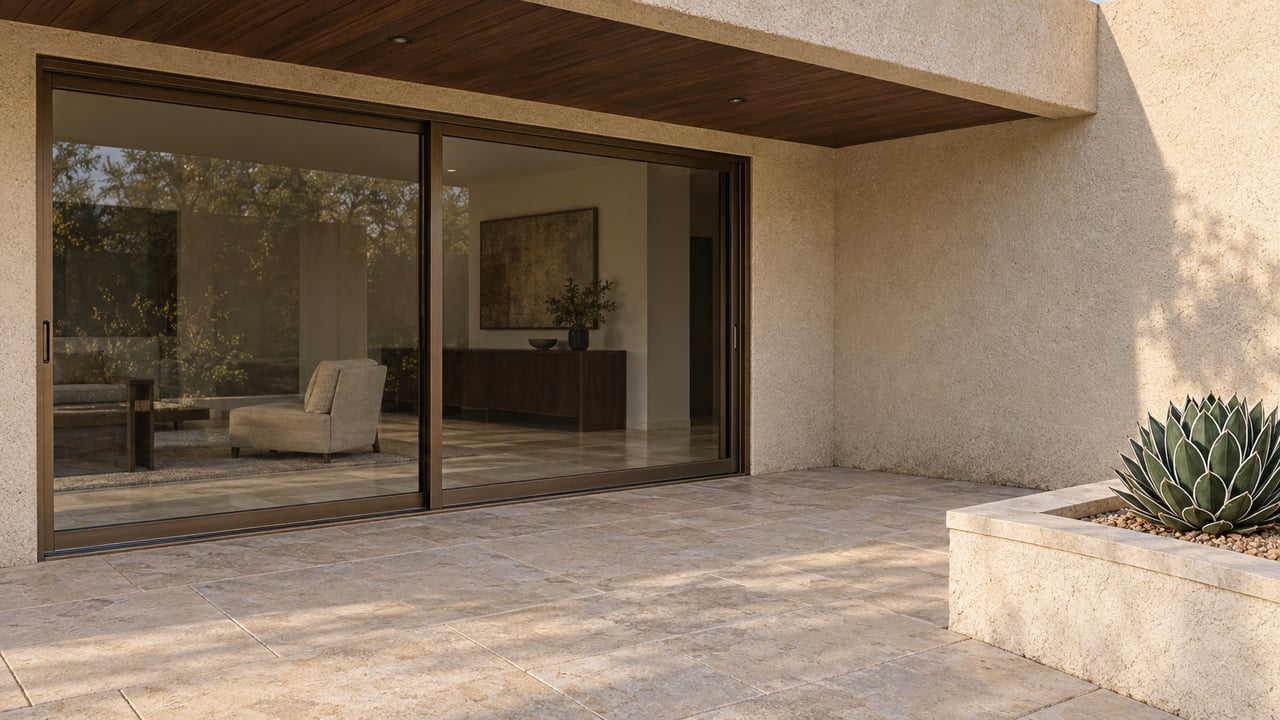
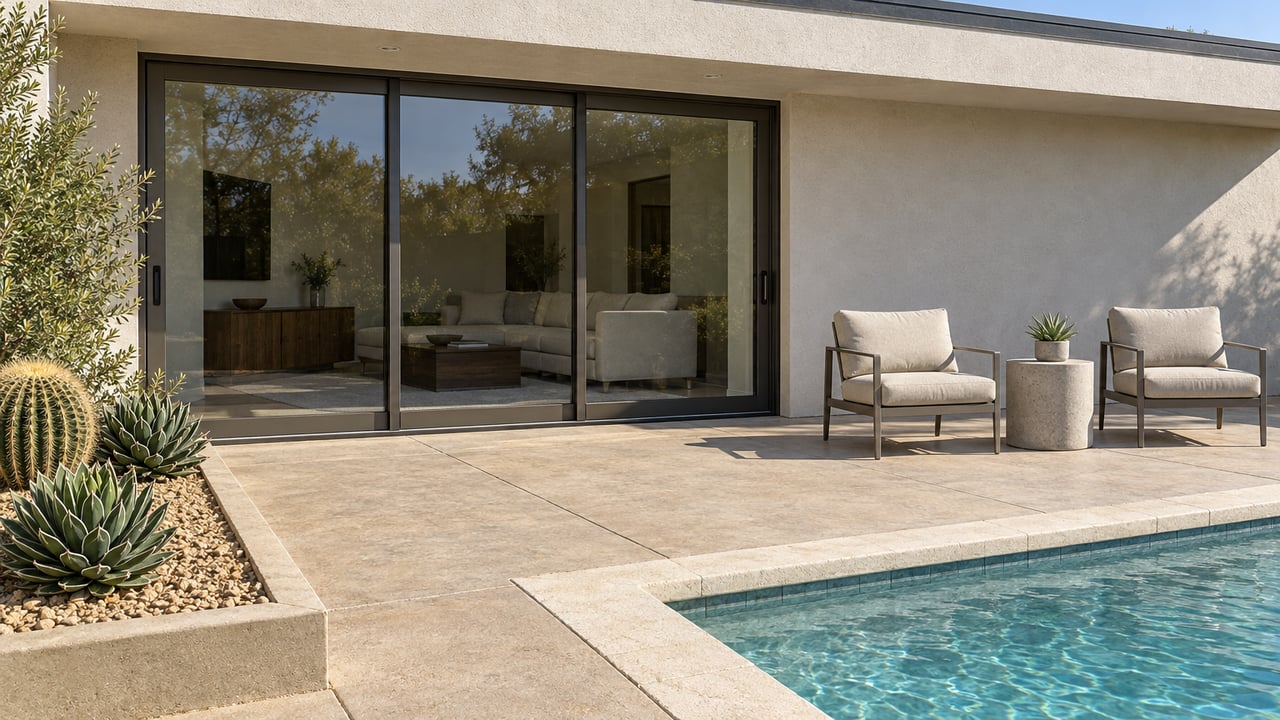
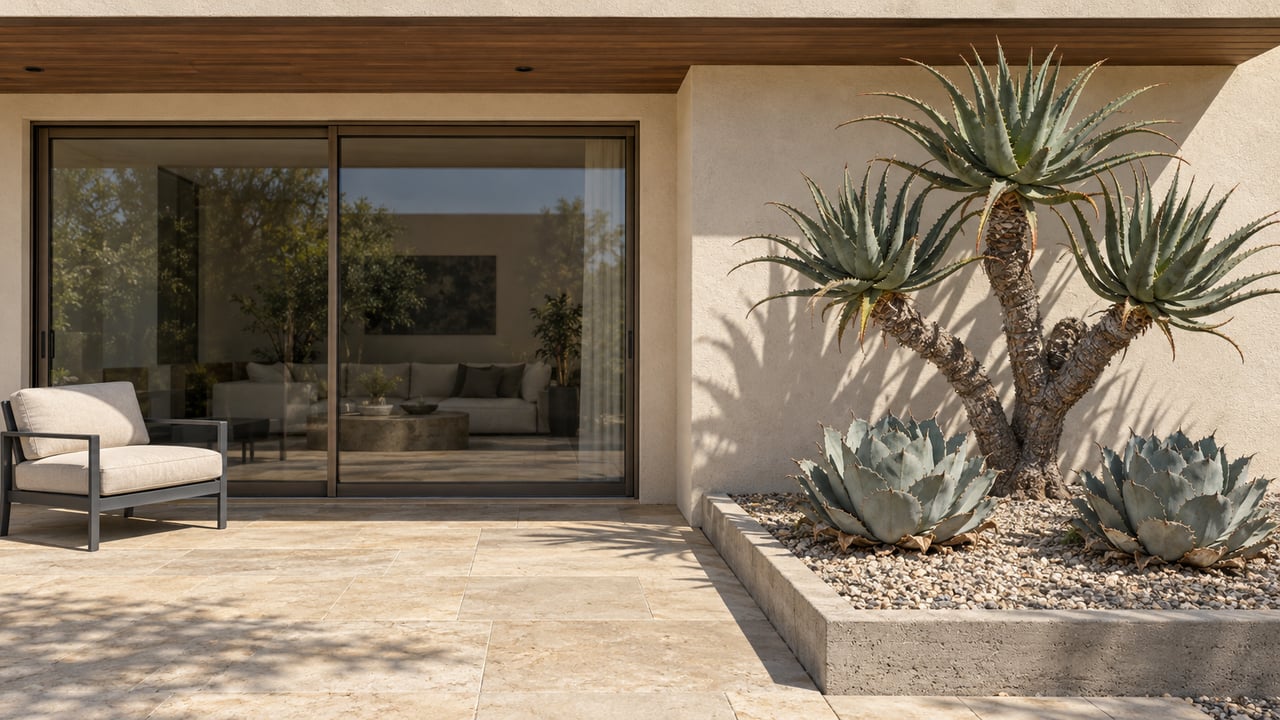
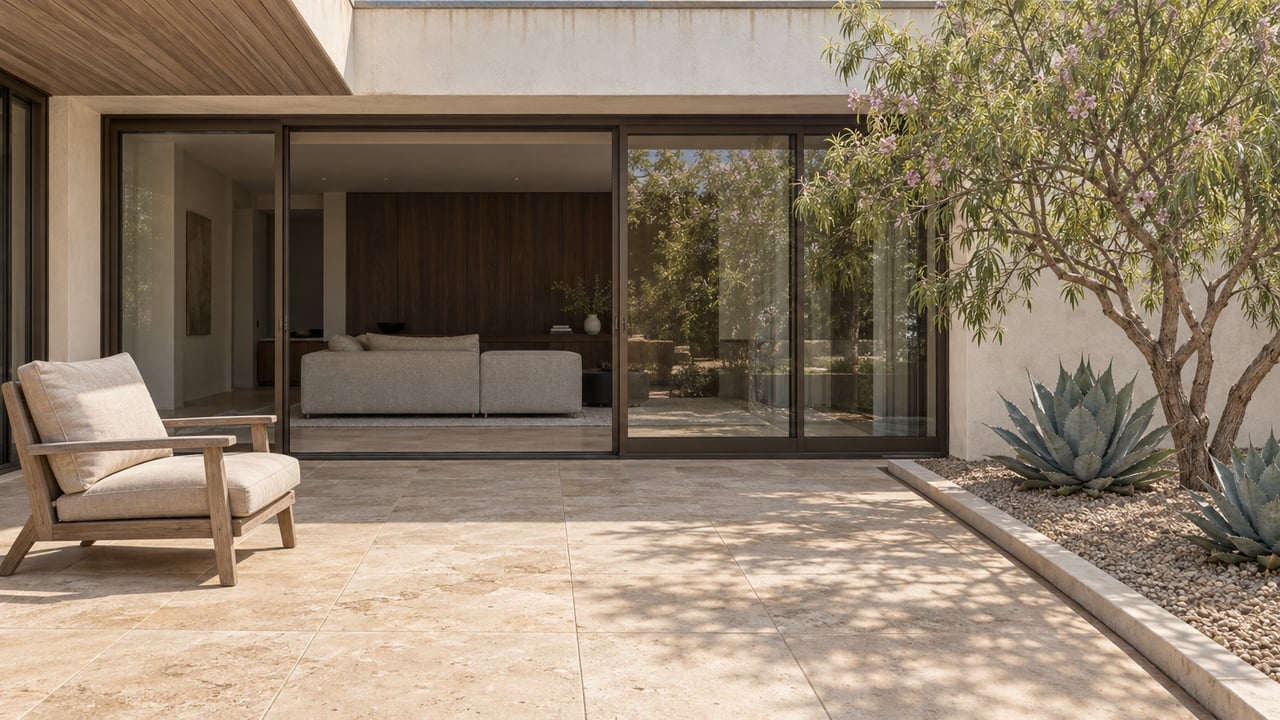
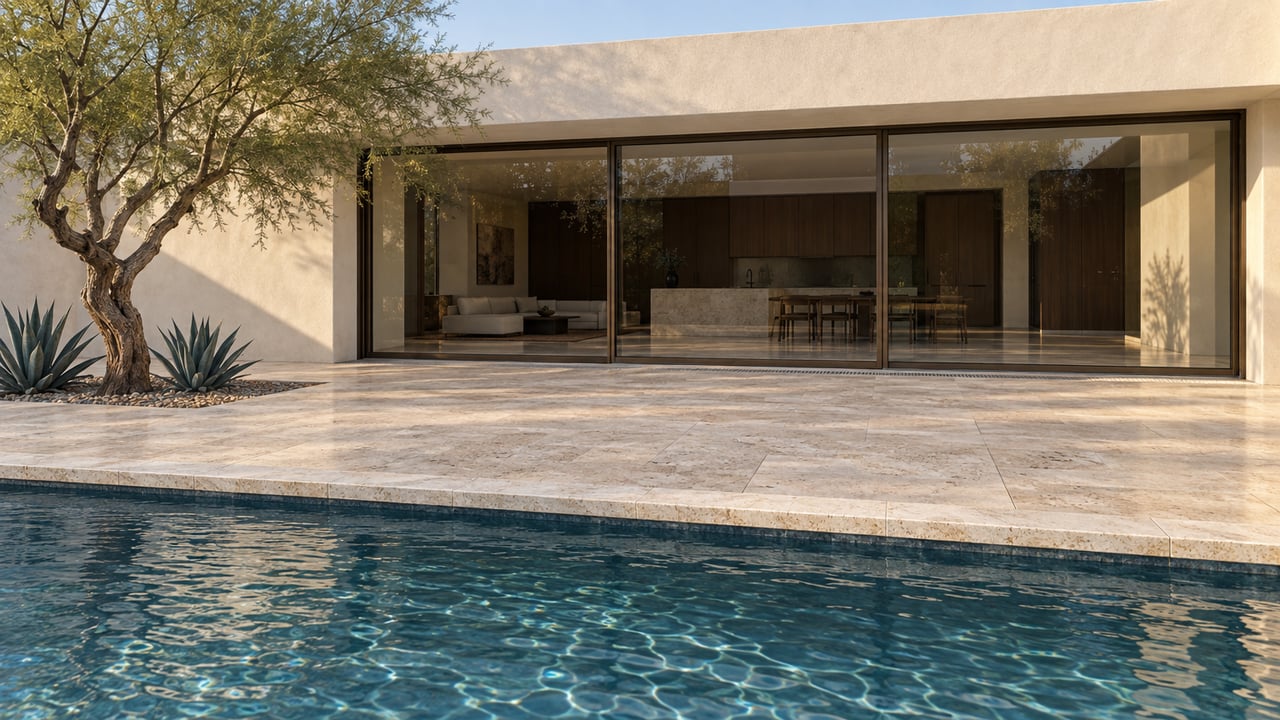
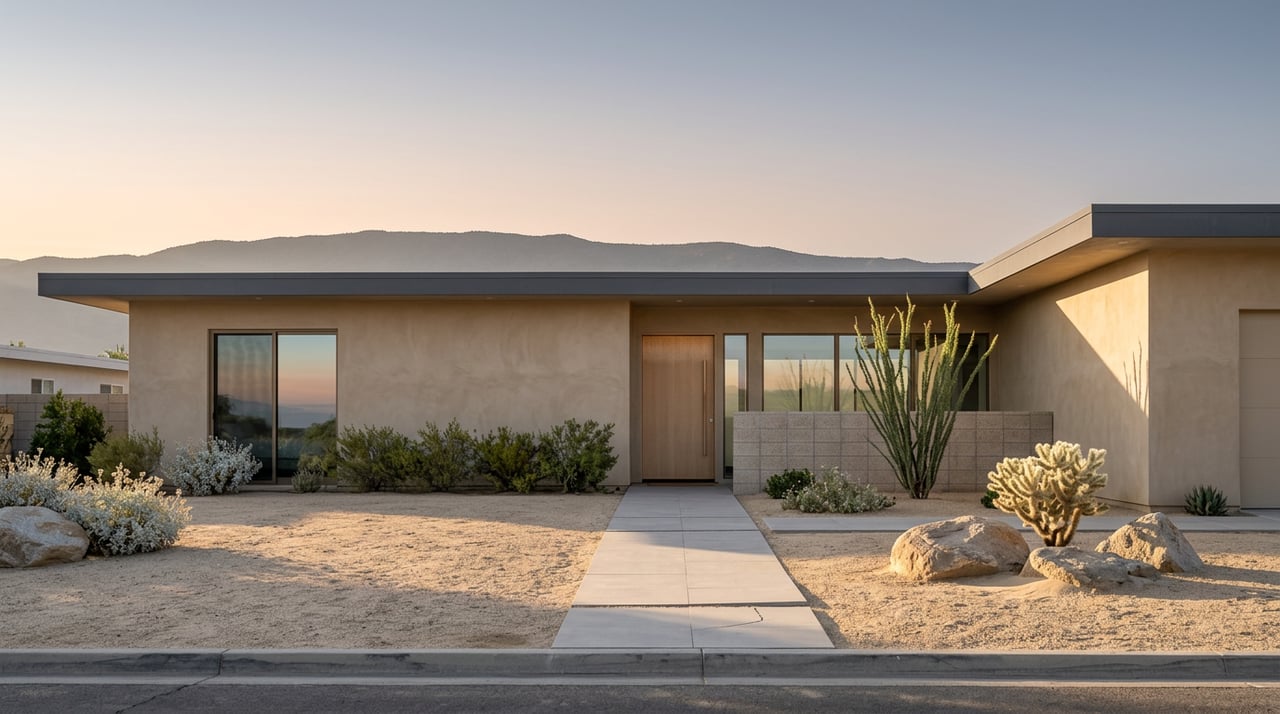
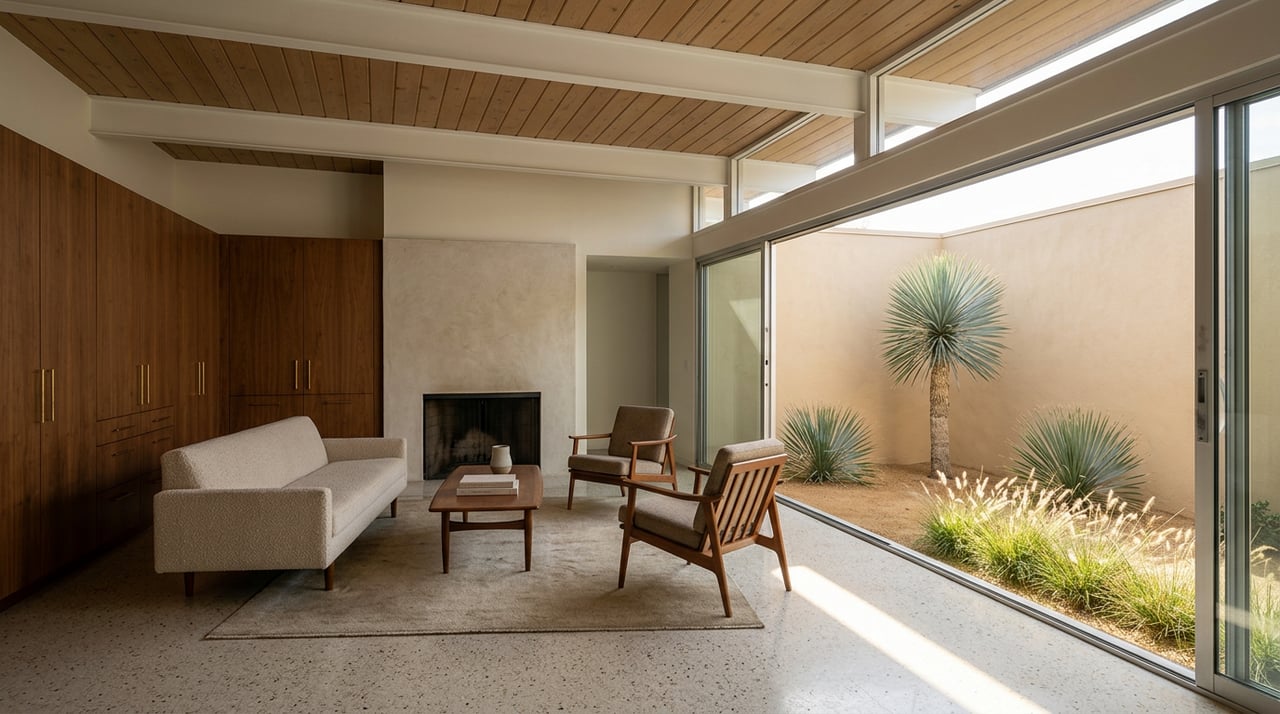
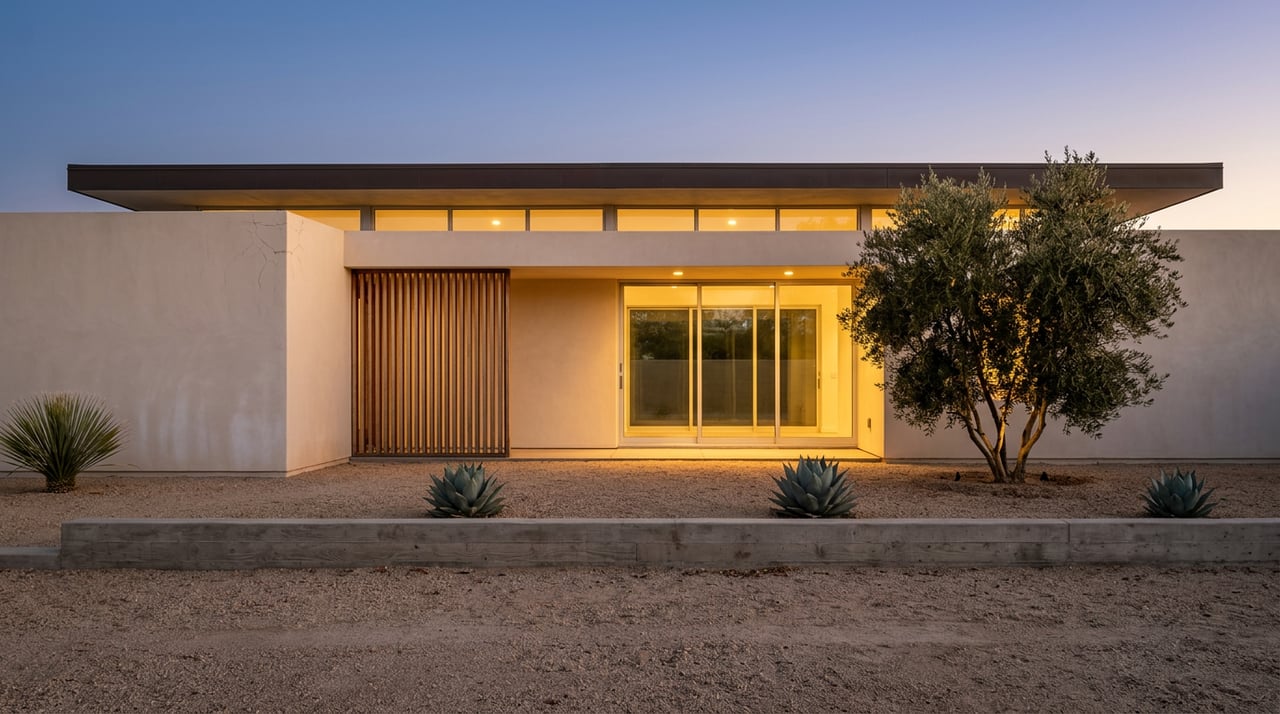
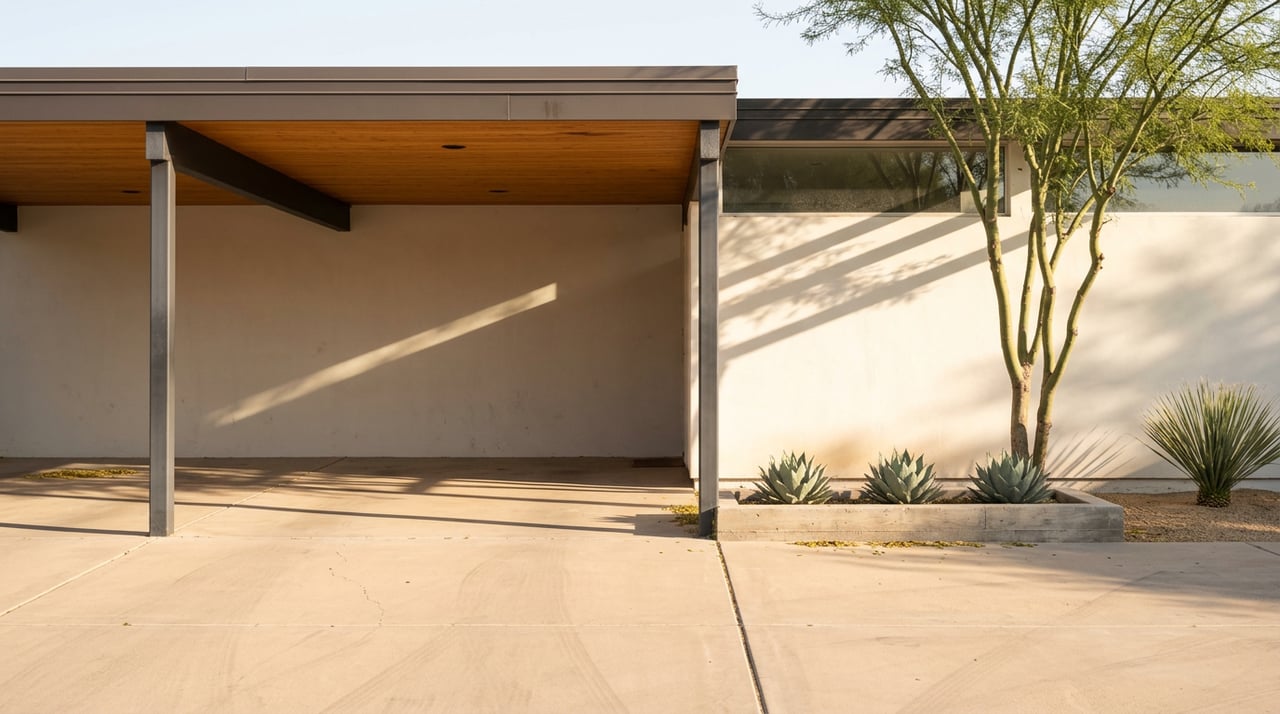
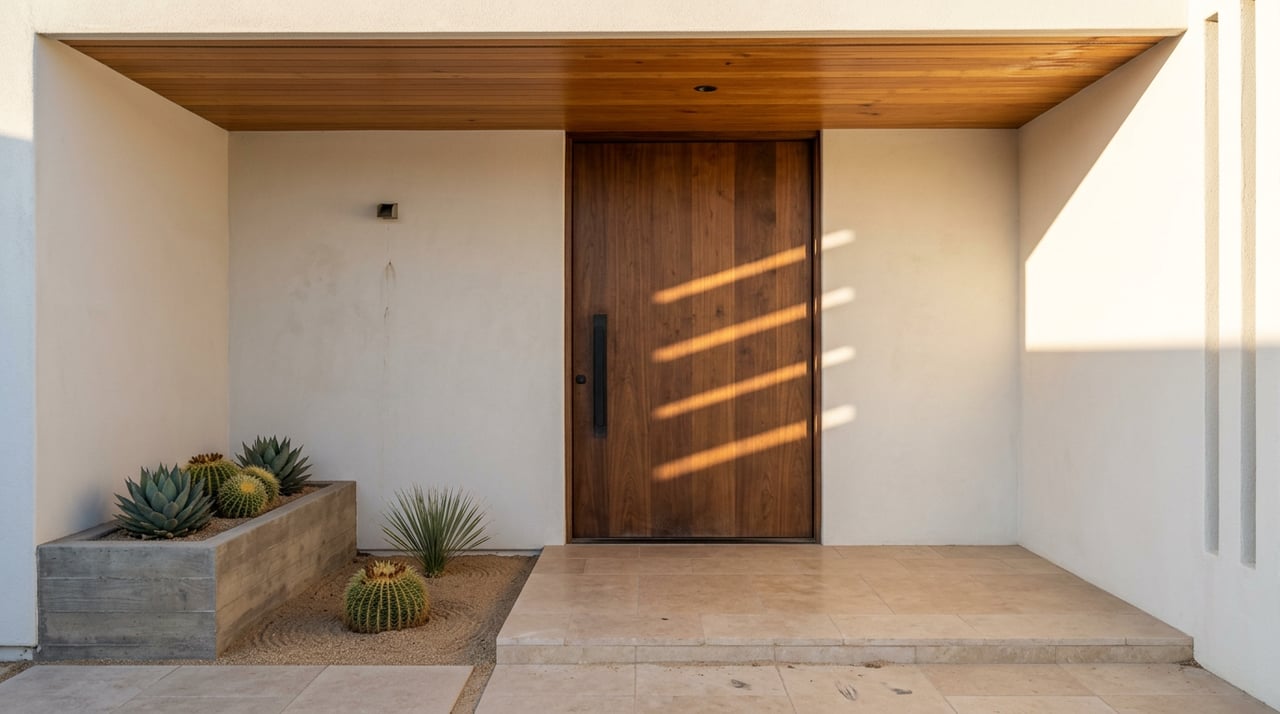
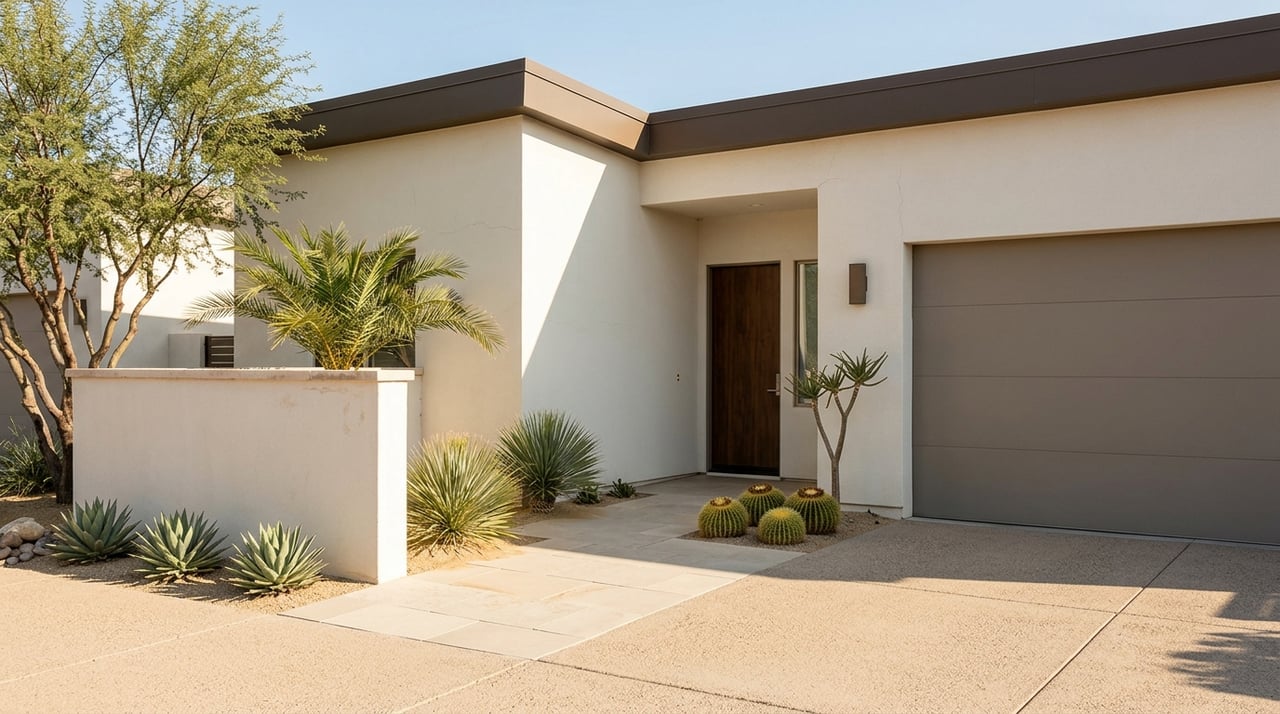
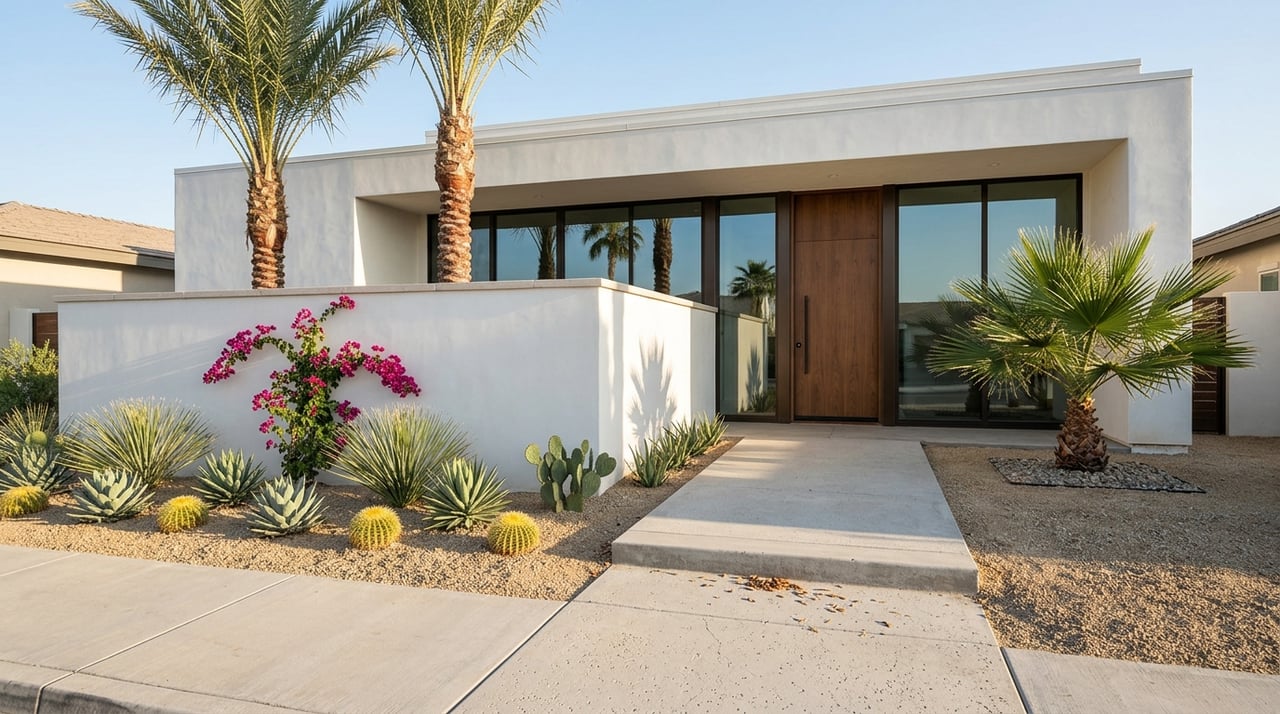
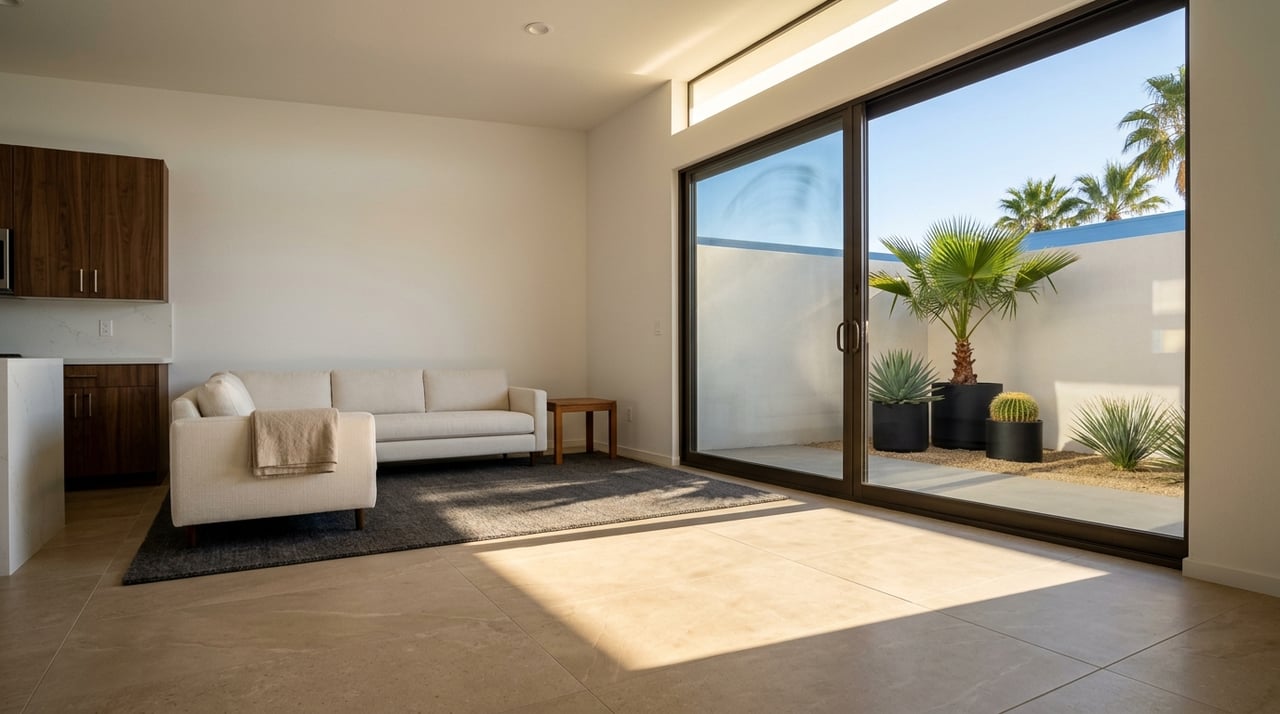
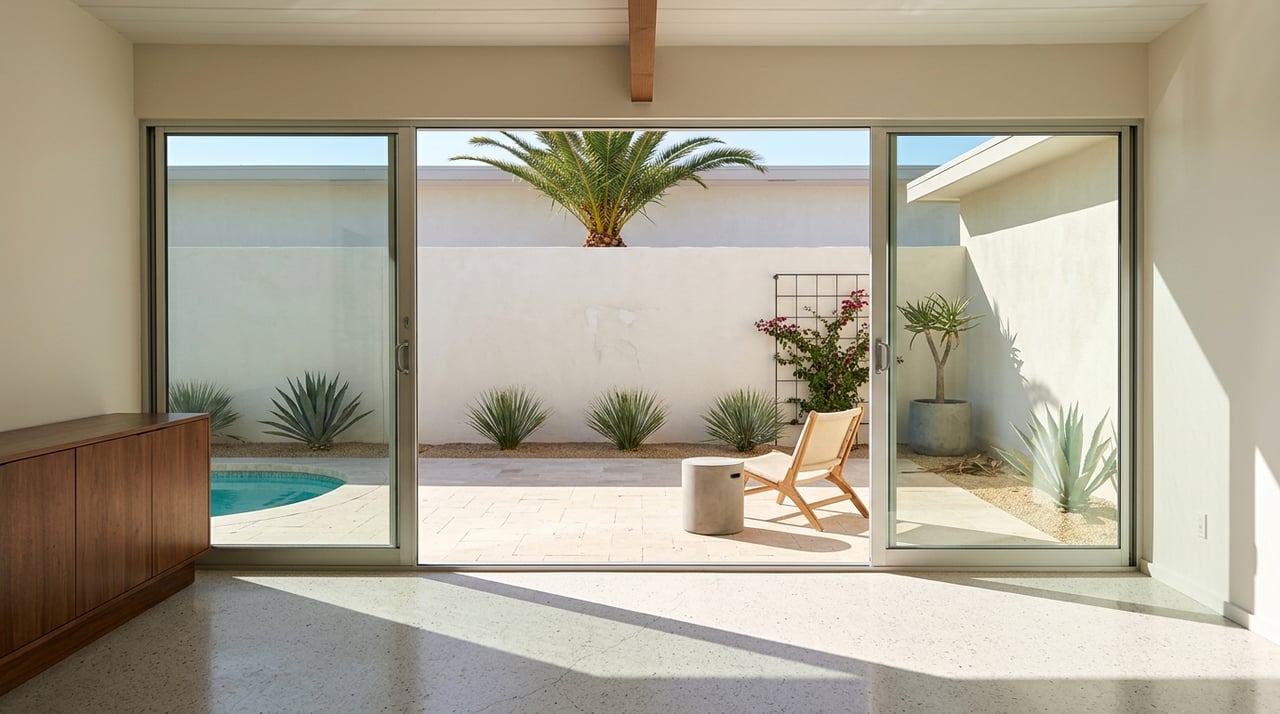
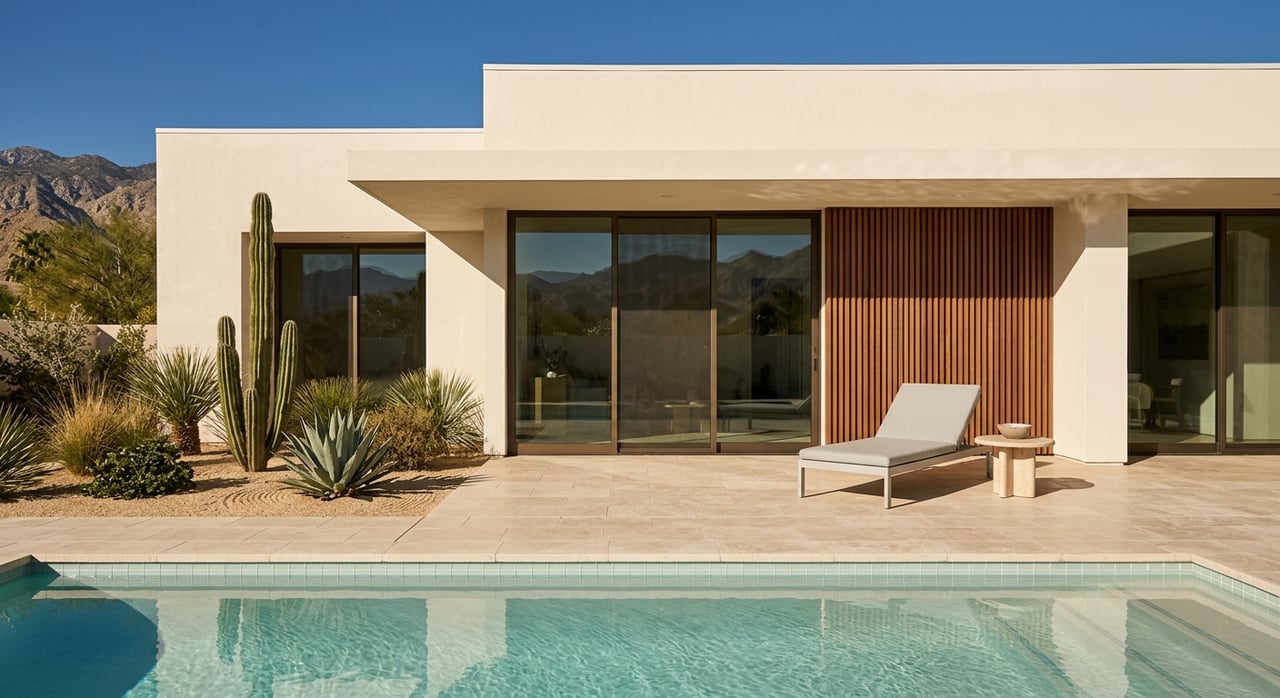
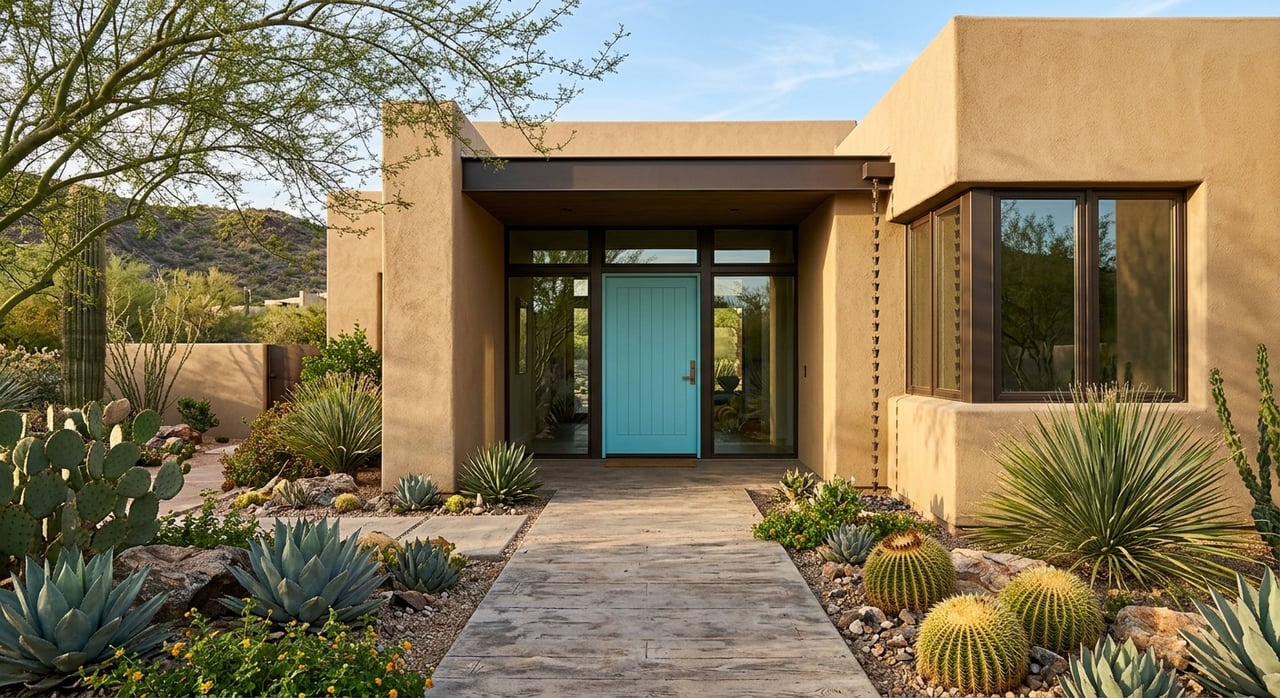
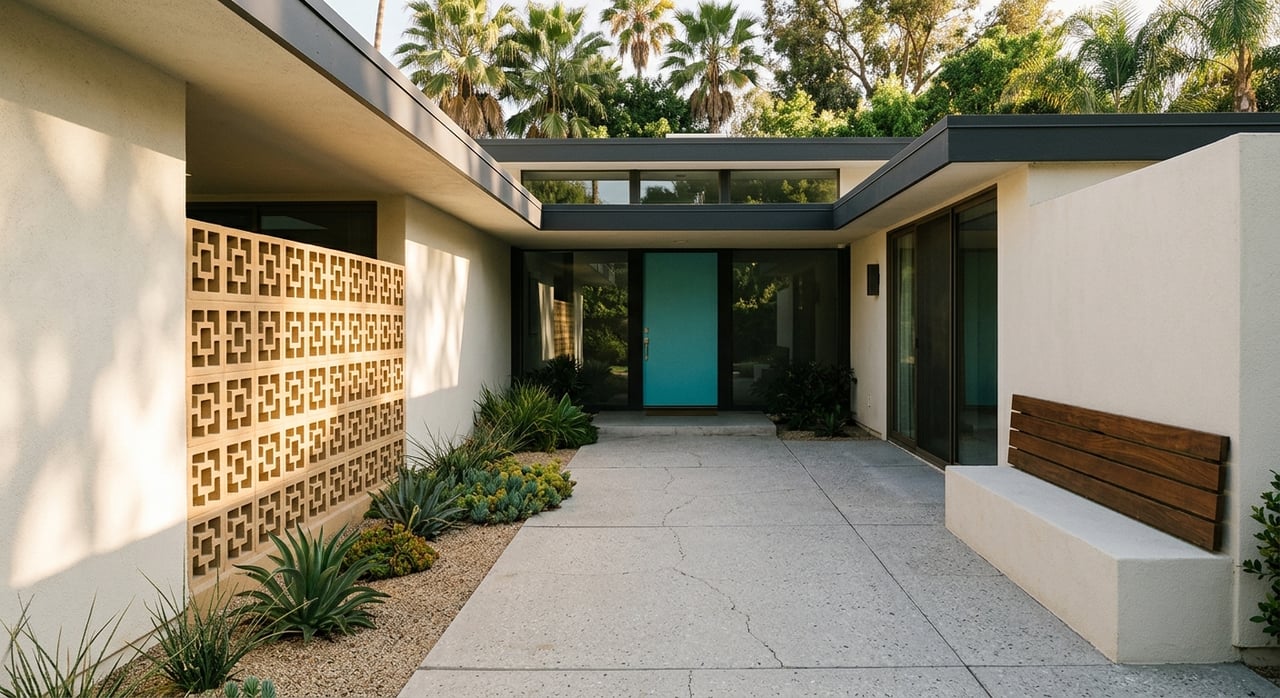
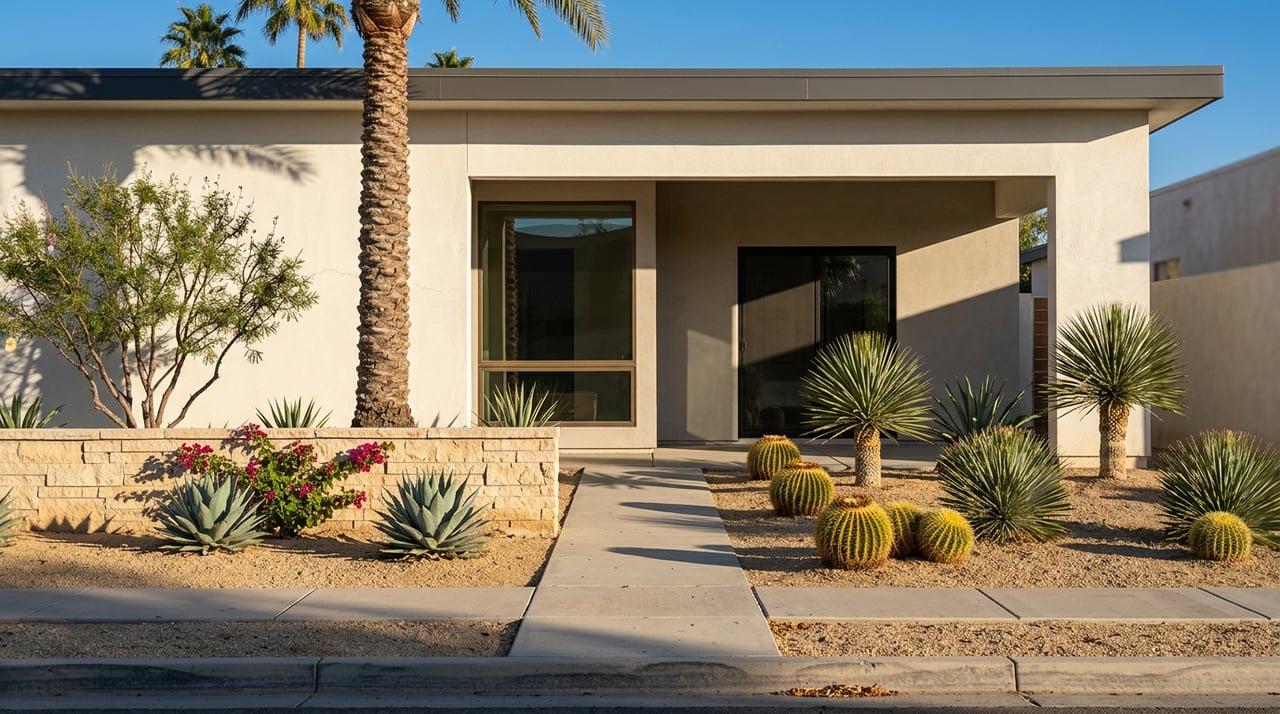
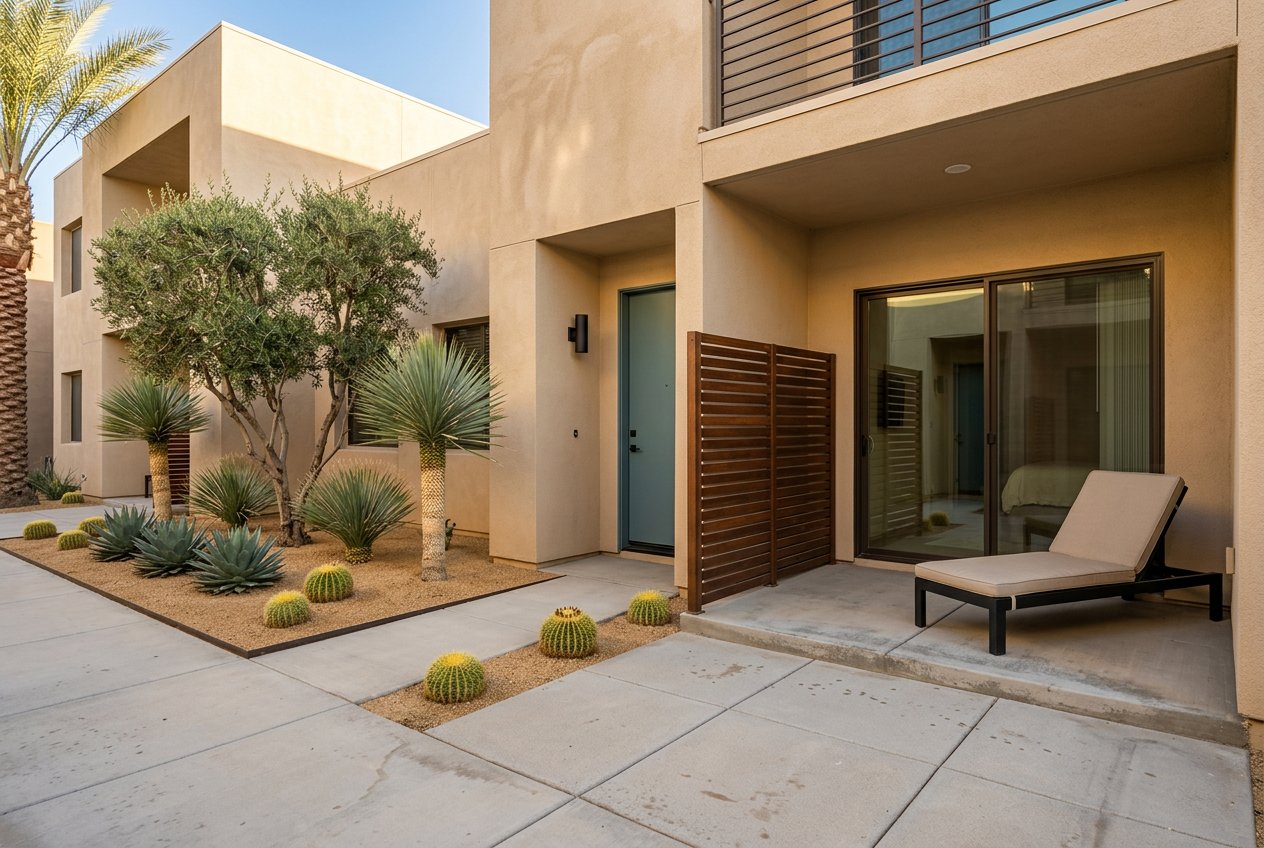
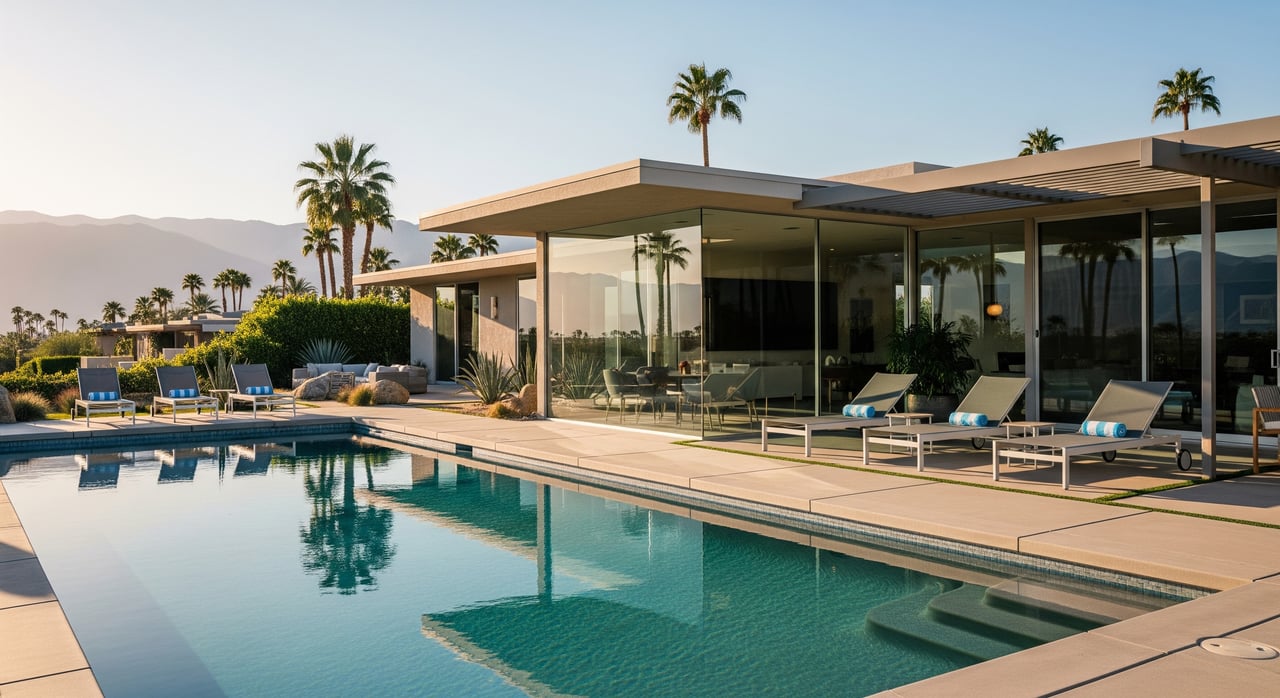
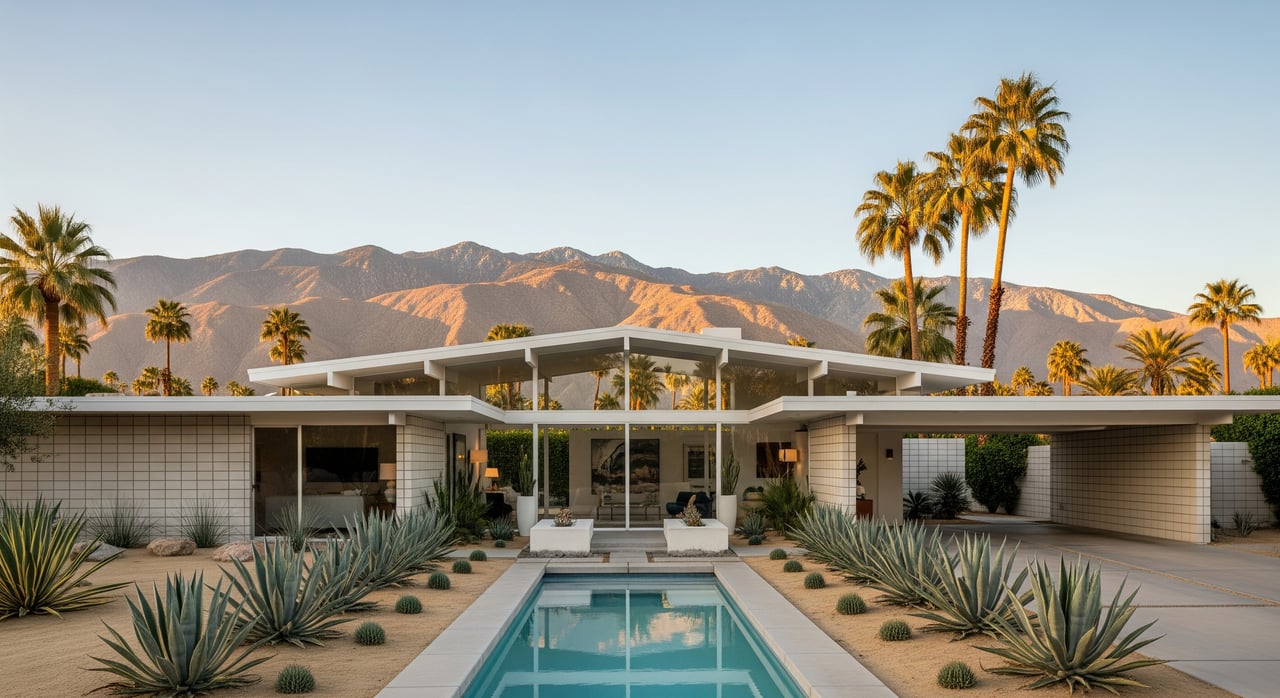
When people say “Palm Springs mid-century,” they are usually talking about a few key design traits. Across the city, recurring hallmarks include post-and-beam construction, walls of glass, clerestory windows, open floor plans, and low-slung rooflines.
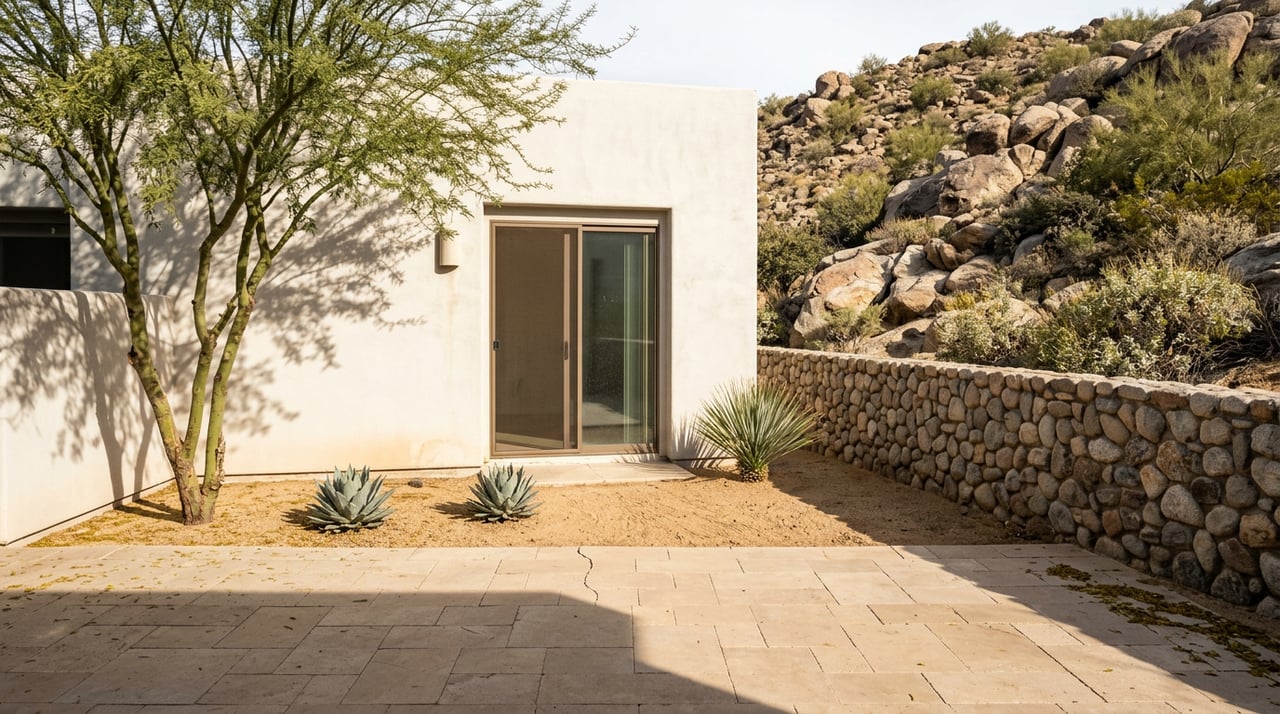
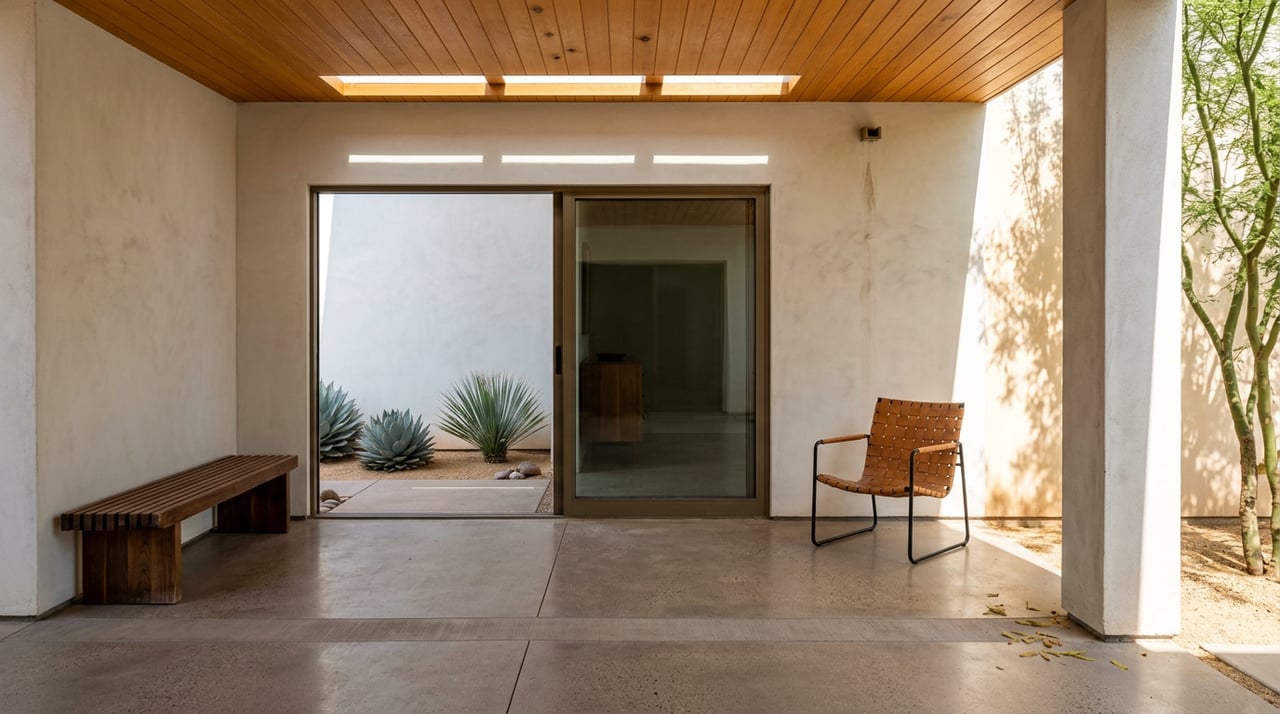
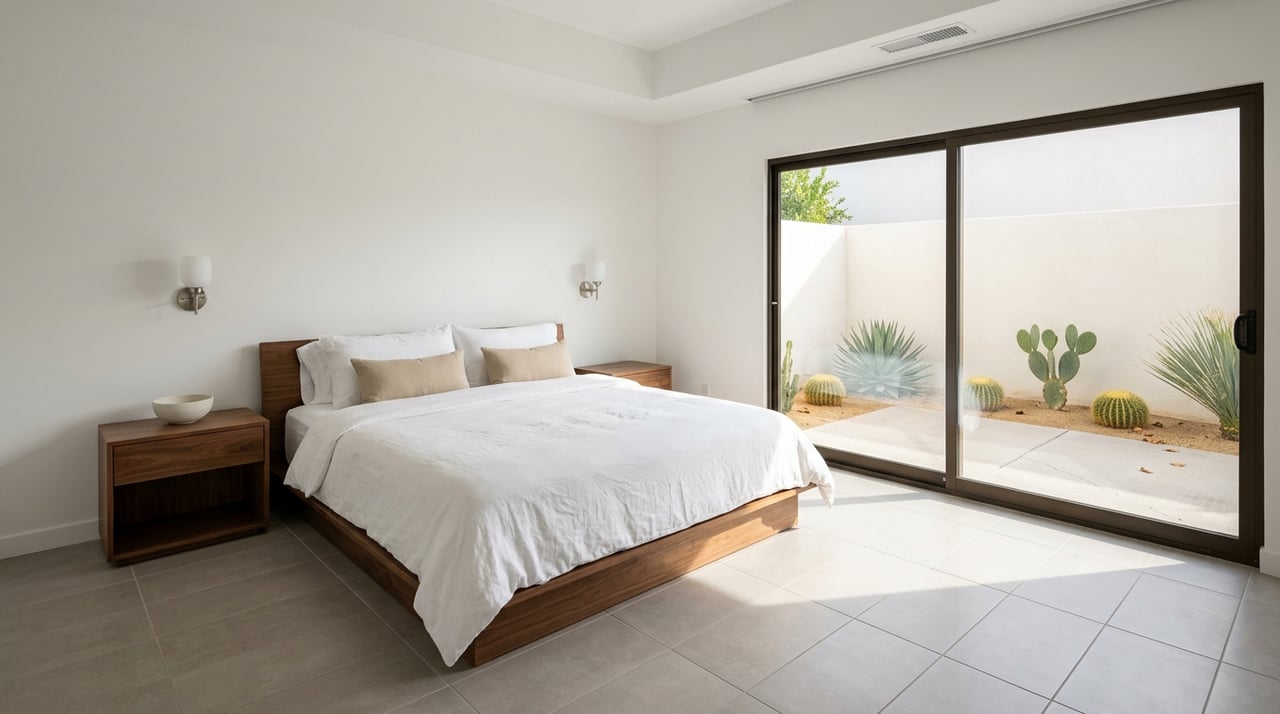
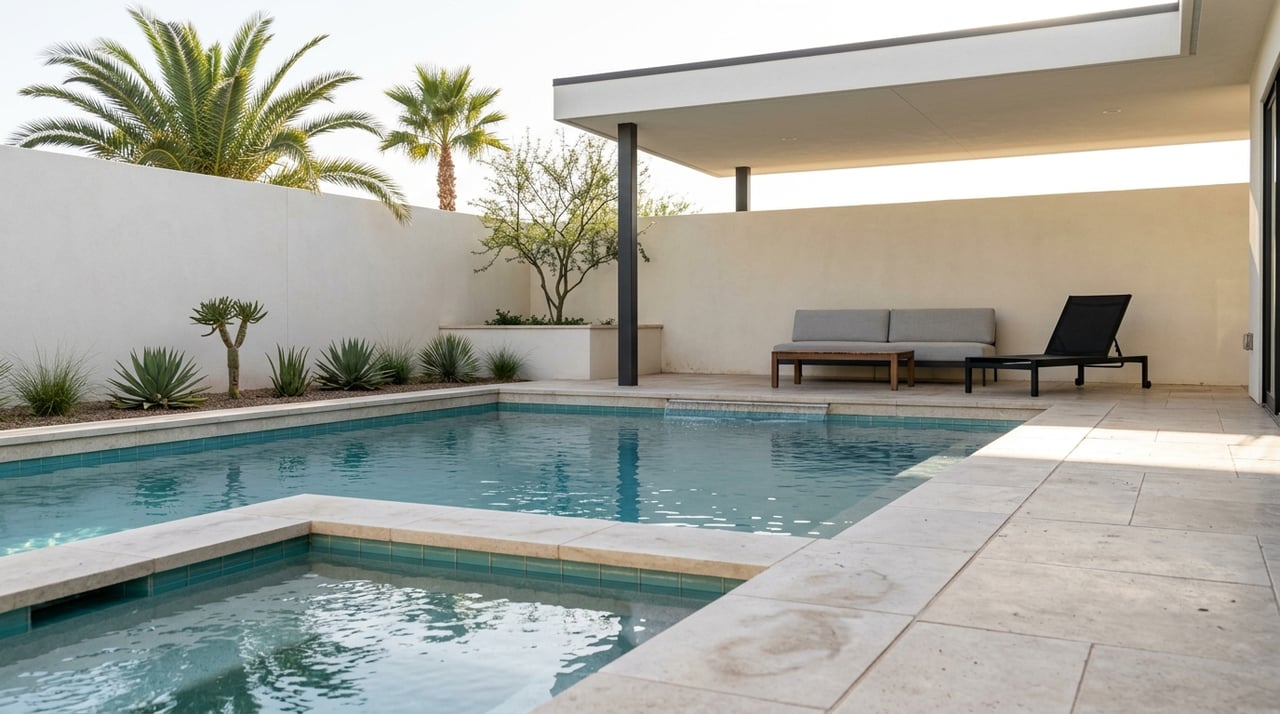
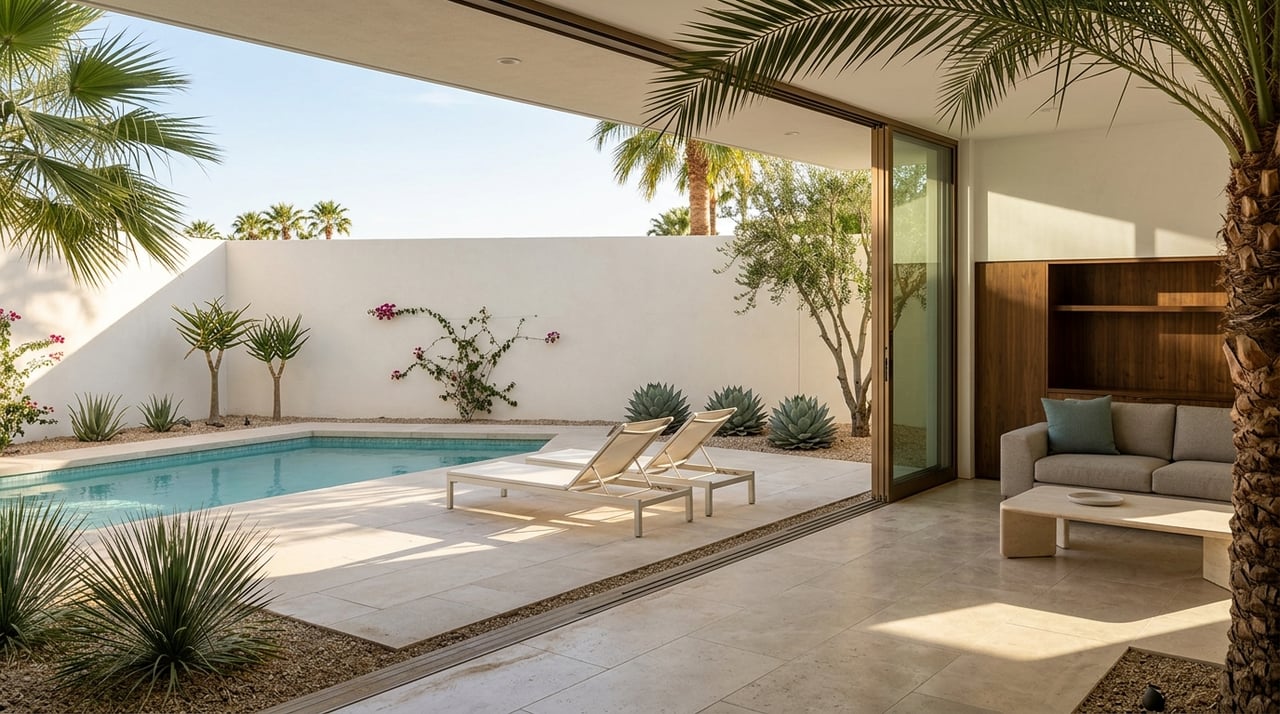
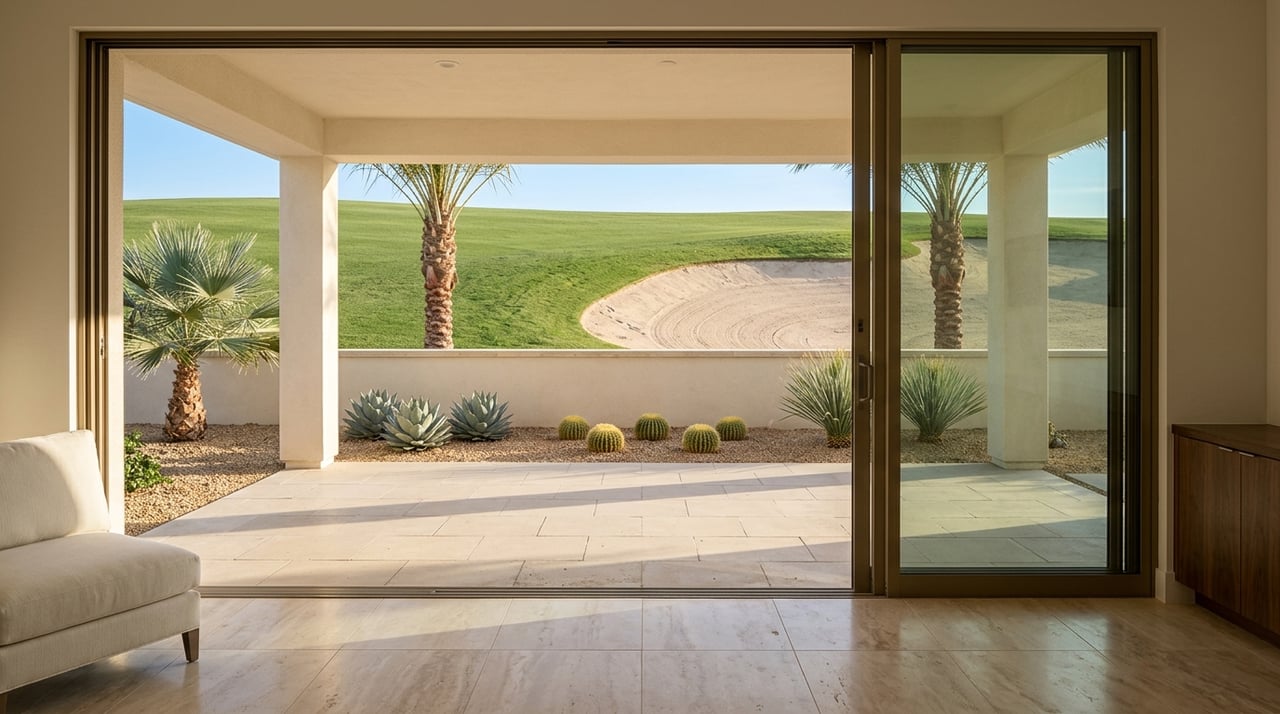
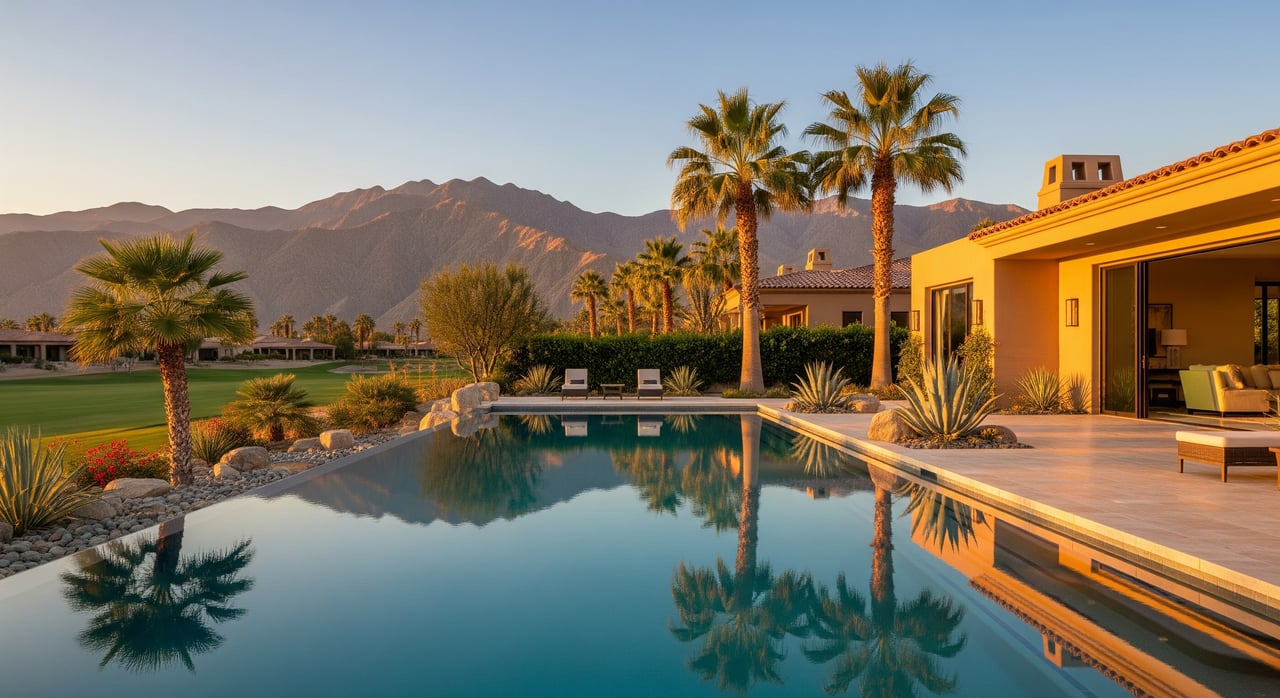
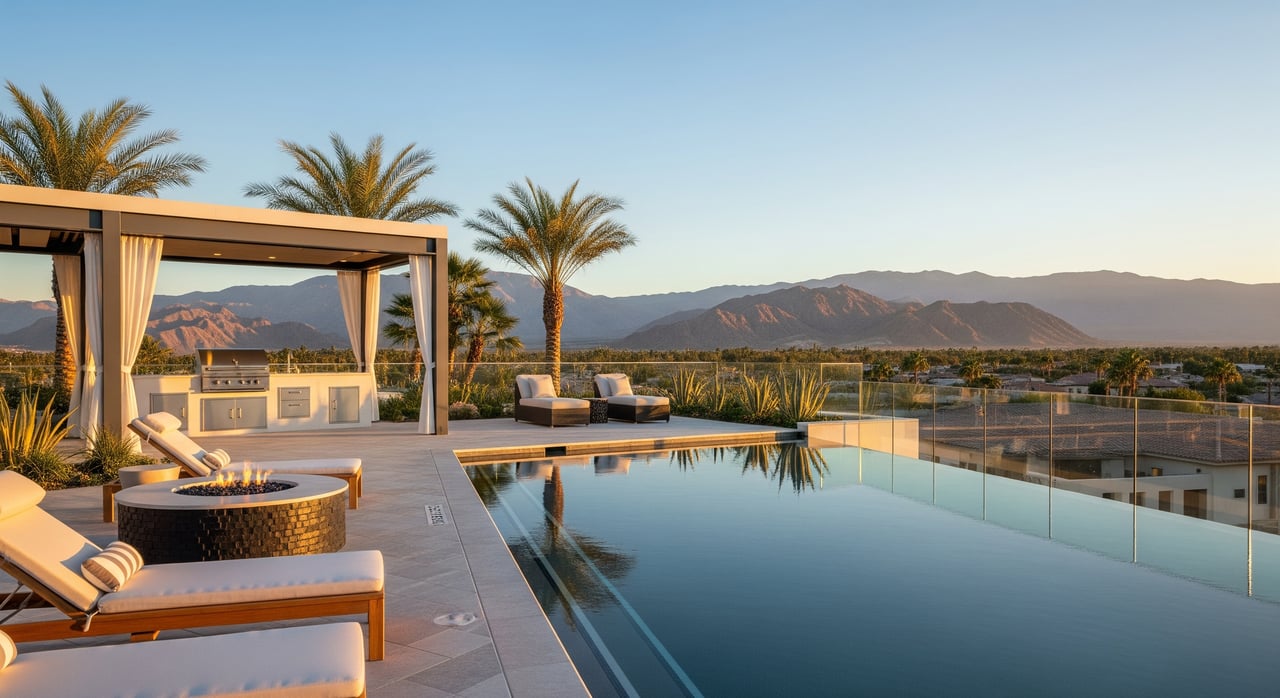
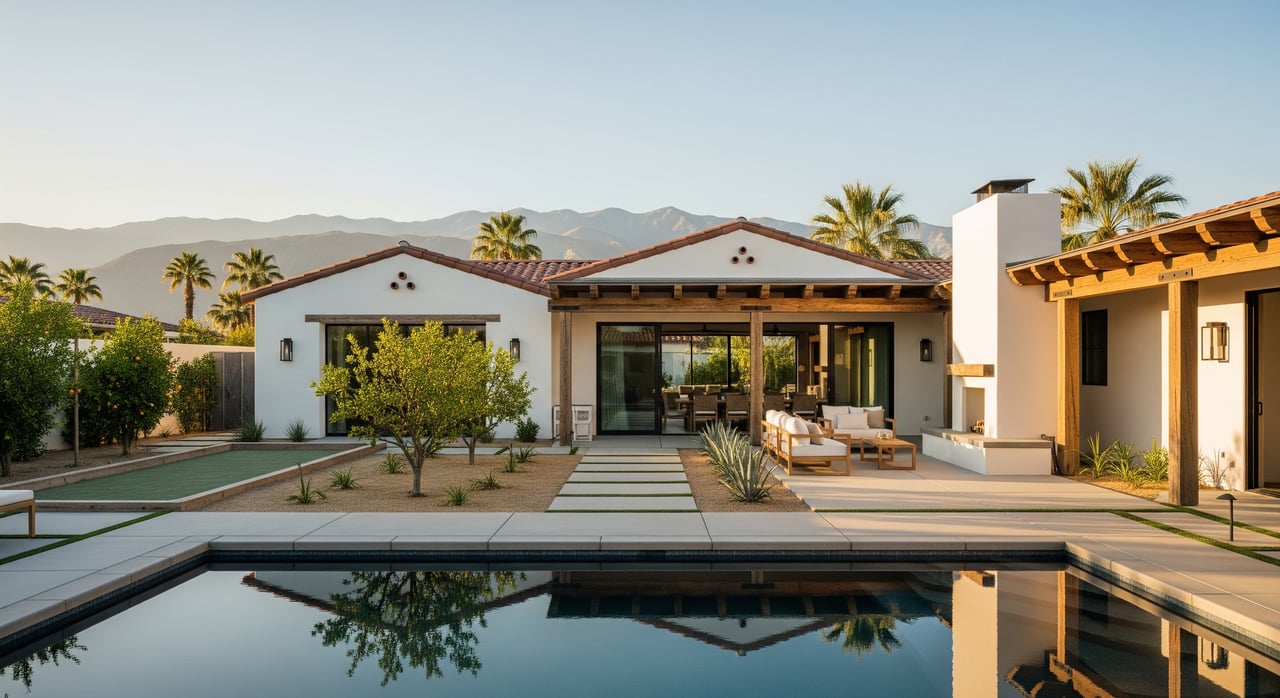
You will also see signature roof forms like butterfly roofs, folded-plate roofs, and flat or gently sloped profiles. Many homes were designed to blur the line between inside and out, with patios, pools, and mountain views acting as part of the living experience.
Why Floor Plans Matter
The floor plan can tell you as much as the facade. Some neighborhoods were built around a repeatable tract concept, while others developed through custom homes on larger lots.
That difference shapes how a neighborhood feels today. A compact Alexander tract can feel highly legible and collector-friendly, while a custom enclave may offer more variation, lot size, and privacy.
Twin Palms For Classic Alexander Design
Twin Palms is one of the best places to start if you want a textbook Palm Springs mid-century neighborhood. The Alexanders’ first Palm Springs development opened here in 1957 with 90 homes, each originally based on the same 40-by-40-foot plan.
Architect William Krisel varied the orientation and roofline to keep the streetscape from feeling repetitive. The result is a neighborhood that feels coherent, open, and unmistakably mid-century without being monotonous.
What Makes Twin Palms Stand Out
Twin Palms is especially appealing if you like the idea of compact, pool-centered design. The original homes used an approximately 1,600-square-foot base plan, which gives the neighborhood a practical scale many buyers still appreciate today.
It is also tied to one of Palm Springs’ most famous homes. Frank Sinatra’s Twin Palms estate is a Class 1 historic site, which reinforces the neighborhood’s place in the city’s design history.
Vista Las Palmas For Showpiece Homes
If Twin Palms is the clean, orderly expression of Alexander-era design, Vista Las Palmas is the more glamorous counterpart. City materials note that the Alexanders built more than 1,200 homes in this design family, and the neighborhood includes work associated with Palmer and Krisel as well as Charles Du Bois.
This is where many buyers picture the iconic Palm Springs streetscape. You will find larger homes, dramatic rooflines, and a stronger sense of showpiece architecture.
Signature Features In Vista Las Palmas
Vista Las Palmas is known for butterfly roofs, folded-plate roofs, and the distinctive Swiss Miss A-frame style. The neighborhood also carries celebrity lore through the House of Tomorrow and its Elvis honeymoon connection.
For you as a buyer, the practical takeaway is that Vista Las Palmas often reads as bigger, bolder, and more visually expressive than Twin Palms. If you want a neighborhood with immediate architectural recognition, this is one of Palm Springs’ standout options.
Racquet Club Estates For Dense Modernist Living
Racquet Club Estates is one of the city’s largest concentrations of mid-century homes. Located on the north end, it is often associated with tract-era modernism at scale, with designs tied to William Krisel, Jack Meiselman, and Donald Wexler.
This neighborhood gives you a strong sense of how Palm Springs modernism was adapted for everyday residential living. It is dense, visually consistent, and full of recognizable architectural details.
What You’ll See In Racquet Club Estates
Tourism guidance highlights post-and-beam construction, clerestory windows, and open plans here. Those details make the neighborhood especially appealing if you want the classic Palm Springs look repeated across many streets.
There is also a more specialized architectural story nearby. On Simms, Molino, and Sunnyview, seven all-steel Wexler and Harrison prototype homes showcase prefabricated walls, roofs, and a central kitchen-bath core. For design-minded buyers, that small cluster adds a distinctive chapter to the neighborhood’s appeal.
Deepwell Estates For Variety And Character
Deepwell Estates offers a different experience from the more uniform Alexander tracts. The city describes about 369 homes here, including 19 Biltmore houses, with architecture ranging from mid-20th-century residences to newer green homes.
That variety gives the neighborhood a more layered, residential feel. If you appreciate design heritage but do not want to live in a pocket that feels highly repetitive, Deepwell may be worth a closer look.
Why Buyers Consider Deepwell
Deepwell is known for hedges, native landscaping, and visible architectural range. It is also described by the city as walkable and bike-friendly, which adds to its everyday livability.
For some buyers, this balance is the appeal. You still get Palm Springs architectural interest, but with more variation from one property to the next.
Sunmor For Central Mid-Century Appeal
Sunmor is often a smart neighborhood to keep on your radar if you want a central and more everyday version of Palm Springs modernism. Tourism materials describe it as a remarkably intact collection of mid-century homes, and Palm Springs Life notes that it is one of the city’s larger mid-century neighborhoods.
It is mainly associated with Alexander homes, which gives it strong design credibility. At the same time, it tends to feel less like a destination showcase and more like a neighborhood where mid-century architecture is simply part of daily life.
Indian Canyons For Custom South-Side Homes
Indian Canyons is a strong fit if you are drawn to custom design, larger lots, and scenic positioning. Originally Canyon Country Club, the neighborhood developed largely in the 1960s and includes modernistic homes alongside Southwestern ranch styles.
Tourism materials note custom homes by architects such as William Krisel and Stan Sackley, often arranged to capture fairway views, mountain sightlines, and indoor-outdoor living. That makes Indian Canyons feel different from Palm Springs’ denser tract neighborhoods.
Who Indian Canyons Often Appeals To
If you want scenery and architectural individuality more than repeated tract language, Indian Canyons stands out. The homes here often feel more custom and site-driven.
This can be especially appealing if you are looking for a polished south-side setting with strong visual connection to the landscape. It is less about repetition and more about how each home relates to its lot and views.
Tahquitz River Estates For Layered History
Tahquitz River Estates bridges early Palm Springs and the postwar period. The city describes earlier Palos Verdes Estates homes from the 1930s alongside a 1947 development of more than 200 two- and three-bedroom homes on lots of roughly 10,000 square feet.
Those postwar homes included features like lanais, breezeways, and glass-wall living rooms. That mix gives the neighborhood a slightly older and more varied street character than some of the later modernist tracts.
Why Tahquitz River Estates Feels Different
This neighborhood can be a strong option if you like architecture with a broader historical range. Instead of one dominant design language, you get a blend of earlier and postwar influences.
For buyers, that can mean more lot-driven character and a streetscape that feels established and layered. It is a useful choice if you want Palm Springs history without limiting yourself to one narrow subtype of mid-century design.
How To Choose The Right Neighborhood
A helpful way to think about Palm Springs mid-century neighborhoods is to group them into three broad types.
- Dense Alexander tracts like Twin Palms, Vista Las Palmas, Sunmor, and parts of Racquet Club Estates
- Custom or golf-oriented enclaves like Indian Canyons
- Mixed historic neighborhoods like Deepwell Estates and Tahquitz River Estates
Each category offers a different experience. Some buyers want a highly recognizable architectural language. Others want a more individualized home, a larger lot, or a neighborhood with a wider mix of eras and styles.
Don’t Overlook Historic Status
Historic designation can affect what ownership looks like. Palm Springs maintains Class 1 and Class 2 historic sites and historic districts, and some well-known properties already carry formal protection.
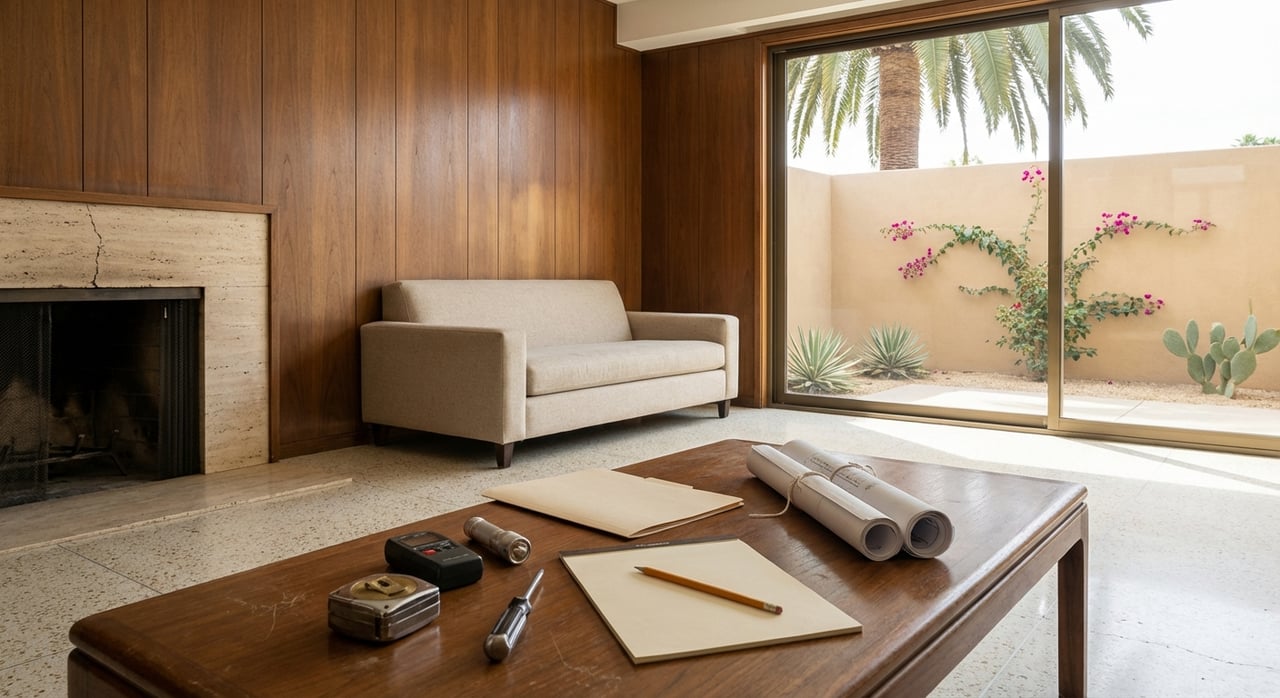
If you are considering changes to a home’s exterior, it is smart to verify whether a property has a historic designation before assuming updates will be simple. That step can help you match your goals with the right property from the start.
Why This Search Benefits From Local Guidance
In Palm Springs, buying a mid-century home is about more than square footage or finishes. You are also weighing architectural pedigree, neighborhood character, lot orientation, and in some cases historic context.
That is where local, history-aware guidance becomes especially valuable. When you understand not just what a home looks like, but why it was designed that way and how its neighborhood developed, you can make a more confident decision.
Whether you are searching for a classic Alexander, a custom south-side property, a seasonal retreat, or a historically significant home, working with an advisor who understands both the story and the transaction can make the process much smoother. If you’re ready to explore Palm Springs mid-century neighborhoods with a more informed strategy, connect with Roger Gendron for thoughtful, local guidance.
FAQs
Where are the most iconic mid-century neighborhoods in Palm Springs?
- Twin Palms, Vista Las Palmas, Racquet Club Estates, Deepwell Estates, Sunmor, Indian Canyons, and Tahquitz River Estates are among the best-known neighborhoods for mid-century architecture in Palm Springs.
What makes Twin Palms important in Palm Springs architecture?
- Twin Palms is considered one of the clearest examples of Alexander-era tract design, with a 1957 development of 90 homes based on a shared plan that William Krisel varied through orientation and roofline.
What is special about Vista Las Palmas homes in Palm Springs?
- Vista Las Palmas is known for larger, more showpiece-oriented homes and recognizable features like butterfly roofs, folded-plate roofs, Swiss Miss designs, and strong ties to Palm Springs celebrity history.
Are there Donald Wexler homes in Palm Springs neighborhoods?
- Yes. Racquet Club Estates is associated with Donald Wexler, and nearby streets including Simms, Molino, and Sunnyview feature seven all-steel Wexler and Harrison prototype homes.
Which Palm Springs mid-century neighborhoods feel more custom?
- Indian Canyons and parts of Deepwell Estates tend to feel more custom or varied, while neighborhoods like Twin Palms and Vista Las Palmas are more closely tied to tract-era planning.
Should buyers check historic designation on Palm Springs homes?
- Yes. Some Palm Springs properties and districts have formal historic status, so it is important to confirm designation before planning exterior changes or assuming renovations will be straightforward.