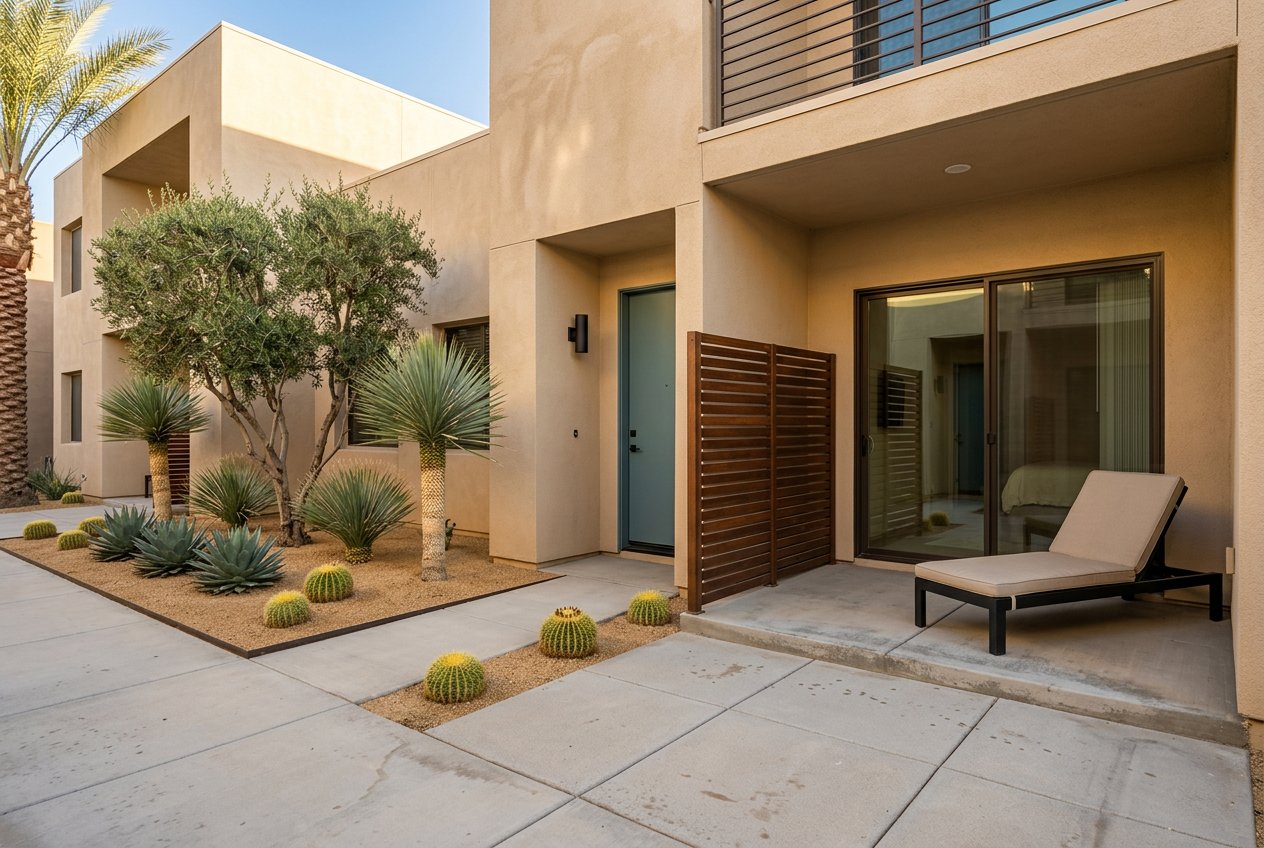
Thinking about a getaway place in Indian Wells but not sure how second-home pre-approval works? You are not alone. Vacation-area financing has its own rules, and small details like HOA dues or club fees can change what you qualify for. In this guide, you will learn exactly what lenders look for, how Indian Wells costs affect your numbers, and the steps to get a clean, confident pre-approval. Let’s dive in.
What lenders call a second home
A second home is a property you plan to use for personal, seasonal, or vacation time, not as a full-time rental or your primary residence. Your intention to occupy it personally for part of the year matters because it shapes underwriting. Conventional programs from Fannie Mae and Freddie Mac typically allow second homes. FHA generally does not insure second-home purchases, and VA loans usually require the property to be your primary residence.
The takeaway: be ready to document your occupancy intent and understand that rental-heavy plans can push a property into “investment” territory, which has different rules.
How second-home underwriting differs
Second-home financing follows many of the same steps as a primary residence, but the bar is higher in a few areas.
- Credit score expectations. Many lenders price best at 720 or higher for second homes. Lower scores may still qualify, but often with higher rates or added reserve requirements.
- Down payment and LTV. Conventional second-home loans commonly allow 10 to 20 percent down, depending on your profile. Jumbo loans and higher-risk files often require 20 percent or more.
- Debt-to-income ratio. Typical DTI caps range from about 43 to 50 percent. Some lenders are more conservative on second homes unless strong compensating factors are present, such as high credit and robust reserves.
- Cash reserves. Expect a bigger liquidity cushion than for a primary home. Many lenders require 6 to 12 months of total housing costs in reserves, and jumbo programs may require more. If the property has HOA dues, those are often added to the reserve math.
- Documentation. Standard income and asset verification applies. If you are self-employed, plan on two years of returns. If you will keep your current home, your existing mortgage, and any new bridge or HELOC payments will be counted.
- Occupancy and rental rules. Lenders generally require personal use for part of the year and may not allow properties encumbered by long-term rental commitments. Policies on short-term rentals vary.
Indian Wells costs that affect qualifying
Indian Wells carries resort-market nuances that can change your approval numbers. Knowing them upfront keeps your pre-approval accurate and your offer stronger.
HOA and club dues
Many Indian Wells homes and condos sit within HOAs or gated country club communities. Monthly HOA dues, plus any required club or social memberships, count toward your housing costs for DTI and often for reserves. If a community has pending special assessments or large capital projects, your lender may ask for the HOA’s budget or reserves to understand risk. Ask for the resale packet early so everyone can underwrite with real numbers.
Property taxes, Mello-Roos, and assessments
Riverside County properties can carry Mello-Roos or special assessment district fees. These are added to your monthly obligations and directly affect qualifying. California taxes follow a Proposition 13 base with potential supplemental assessments after a purchase. Request the most recent tax bill and any disclosure on community facilities district fees to estimate payments correctly.
Rental rules and short-term limits
Many HOAs in Indian Wells restrict short-term rentals, and local rules may limit STR use. If you plan to rent occasionally, confirm in writing what is allowed. Broad rental intentions can push a loan classification from second home to investment, which changes terms, pricing, and reserve needs.
Insurance considerations
Indian Wells is a desert resort area. Insurers will review standard hazard coverage and may look at liability exposure for homes near golf fairways. Premiums for high-value homes can be elevated. Lenders will verify coverage and cost, so estimate insurance early and include it in your monthly budget.
Loan options that fit Indian Wells
Choosing the right loan type is about matching your goals, price point, and financial profile.
Conventional conforming loans
Best for buyers with strong credit, documented income, and enough reserves. You get competitive rates and clear second-home rules. The limitation is the conforming loan limit. Higher-priced Indian Wells homes may exceed it, which shifts you to jumbo.
Jumbo loans
Used when your loan amount exceeds the conforming limit for Riverside County. Jumbo loans often require higher down payments, stricter credit, and 6 to 12 months or more in reserves. Rates may be modestly higher than conforming and underwriting is more detailed, especially for condos and HOA financials.
Portfolio and asset-focused programs
Local or private banks sometimes hold loans on their books and may offer flexibility for unique income or asset profiles. Asset-depletion or bank-statement programs can help if you have substantial liquid assets but lower W-2 income. Terms vary, and documentation can be intensive, but these programs can unlock options for complex financial pictures.
Bridge loans and HELOC strategies
If you want to buy in Indian Wells before you sell your current home, a bridge loan or a HELOC on your primary can supply down payment funds. Remember, new payments on bridge or HELOC debt will count in your DTI. Weigh timing and debt impact carefully.
Step-by-step: get pre-approved with confidence
A precise pre-approval is your edge in a competitive resort market. Here is a simple path.
- Clarify use and rental intent
- Decide how you plan to use the home and confirm whether you expect any short-term or seasonal renting. Share this with your lender early so they can select the right program.
- If you have a target community, obtain the HOA or club rules and fees to verify your assumptions.
- Gather documents
- Government ID and Social Security number
- Two most recent pay stubs and W-2s (if employed)
- Two years of tax returns if self-employed
- Two to three months of bank statements for all accounts
- Investment and retirement statements if using for reserves or asset-based qualification
- Current mortgage statements if you are keeping your primary home
- Any lease agreements or rental documentation for your existing property
- Estimate payment and reserves
- Calculate principal and interest for your target loan amount and term.
- Add estimated property taxes, homeowners insurance, HOA dues, any Mello-Roos or special assessments, and required club fees.
- Sum these for your total monthly housing cost. Plan for 6 to 12 months of this amount in reserves for many second-home approvals.
- Align lender and loan type
- If your price point fits conforming limits, start with conventional. If you are shopping higher, expect jumbo underwriting and reserve requirements.
- If your income is complex or asset-heavy, ask about portfolio or asset-depletion options.
- Lock strategy and timeline
- Confirm how long your pre-approval is valid and the rate lock strategy once you are in escrow.
- Keep statements and pay stubs updated so you can refresh approval quickly when you find the right home.
Real-world scenarios
Seeing how different buyers qualify can help you plan your path.
Move-up buyer bridging to a second home
You want to buy in Indian Wells now and sell your primary later. Expect the lender to count your current mortgage plus the new one, or to require strong reserves if the sale is not under contract. A bridge or HELOC can cover your down payment, but it also adds to your DTI.
Out-of-area buyer with strong assets
You have significant liquid assets and lower documentable income. Asset-depletion or a portfolio loan can convert assets to qualifying income. Plan for detailed asset statements and a conservative income calculation.
Condo or club-community purchase
Your target is a high-value condo within a club. The lender will review HOA health, monthly dues, any special assessments, and rental rules. Factor club initiation or transfer fees into your overall affordability picture.
Common pitfalls to avoid
- Underestimating dues and fees. HOA and club costs can materially affect DTI and reserves. Get the resale packet early.
- Ignoring Mello-Roos or assessments. These are not optional and must be included in qualifying math.
- Assuming short-term rentals are allowed. Verify HOA and local rules in writing before you count on rental income.
- Waiting on insurance quotes. For high-value homes, premiums can move the monthly number and reserves.
- Overlooking lender overlays. Even when agency guidelines allow a loan, individual lenders may require more reserves or lower DTIs. Get specifics in writing.
Pre-approval timeline and tips
A smooth second-home pre-approval often takes a few days once documents are in, but allow extra time if you are using jumbo or portfolio programs. Keep your file updated, avoid large unexplained deposits, and keep credit activity steady. If you plan to use equity from your primary home, build in time to set up a HELOC or bridge solution and understand how that payment affects your DTI.
When you are ready, focus on clarity: your intended use, the community’s true monthly costs, and a loan path matched to your price point. That combination creates a strong, defensible approval in Indian Wells.
Ready to align your financing with the right property, neighborhood, and offer strategy in Indian Wells? For tailored guidance on communities, HOA diligence, and negotiation strategy, connect with Roger Gendron. Your next chapter starts here.
FAQs
What credit score do I need for an Indian Wells second home?
- Many lenders price most competitively at 720 or higher. Lower scores may qualify with stronger reserves, larger down payments, or different loan types.
How much should I plan for a down payment on a second home?
- Conventional second-home loans often allow 10 to 20 percent down. Jumbo programs and riskier profiles commonly require 20 percent or more.
How are HOA and club dues counted in pre-approval?
- Lenders add HOA dues, and sometimes club fees or special assessments, to your monthly housing cost for DTI and often for reserve calculations.
Do Mello-Roos or special assessments affect qualifying in Riverside County?
- Yes. These charges are included in your monthly obligations, which affects both DTI and the reserve requirement for second-home loans.
Can I use short-term rental income to qualify for a second home?
- Policies vary. Many lenders do not treat a second home intended for frequent short-term rentals as a true second home. That usage can shift the loan to an investment classification.
How many months of reserves do lenders expect for second homes?
- Expect 6 to 12 months of total housing costs, with the higher end more common for jumbo loans or complex financial profiles.