Dreaming of a La Quinta condo where your weekends feel like a resort, even when you are in town for just a few days? In the desert, the right amenities can make your home base feel effortless and cool, even when summer temperatures soar. If you are shopping from out of the area, those amenities also help you prioritize which communities to tour first. This guide shows you which features matter most in La Quinta, how to weigh HOA fees against everyday use, and what to ask before you book flights. Let’s dive in.
Why amenities matter in La Quinta
La Quinta’s desert climate brings very hot summers and mild, social winters. That means pools, shaded outdoor spaces, and indoor fitness rooms see steady use year‑round, with peak activity in the winter snowbird season and around major events.
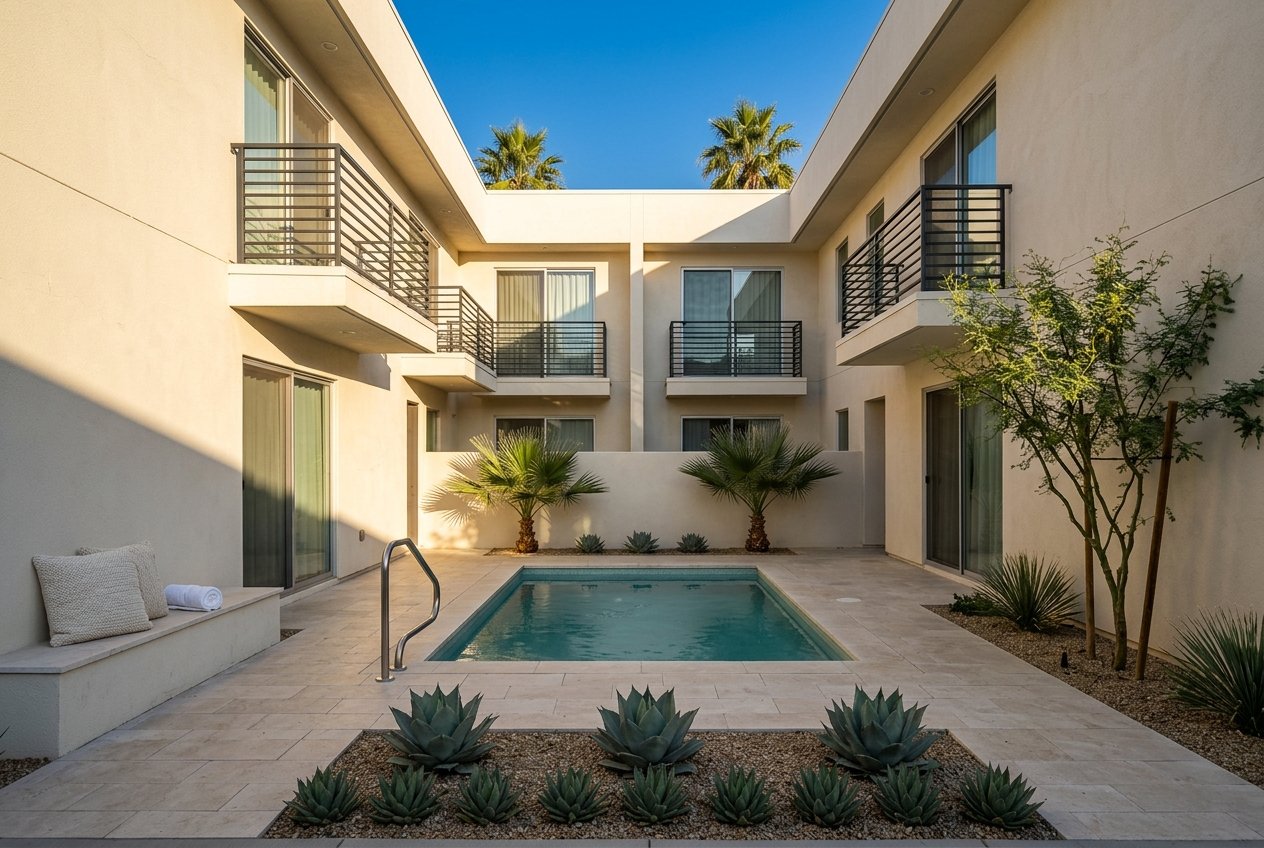
Most condos here sit in HOA‑managed communities with shared amenities. You will see everything from intimate complexes to golf‑oriented master‑planned neighborhoods and some age‑targeted developments. Each one sets its own rules, fees, and access systems.
For out‑of‑area buyers, amenities become a quick filter. The right mix can elevate daily life and strengthen resale appeal. The wrong mix can add cost without delivering value to your lifestyle.
La Quinta condo amenities buyers love
Pools and spas
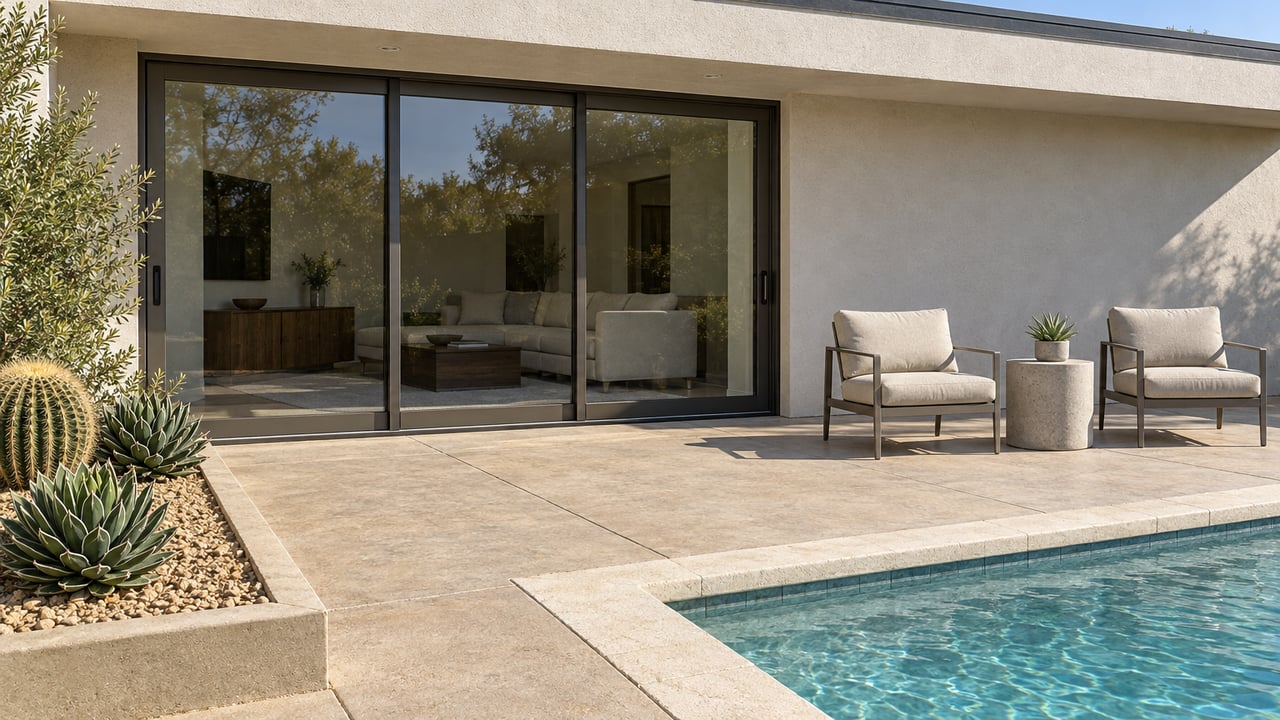
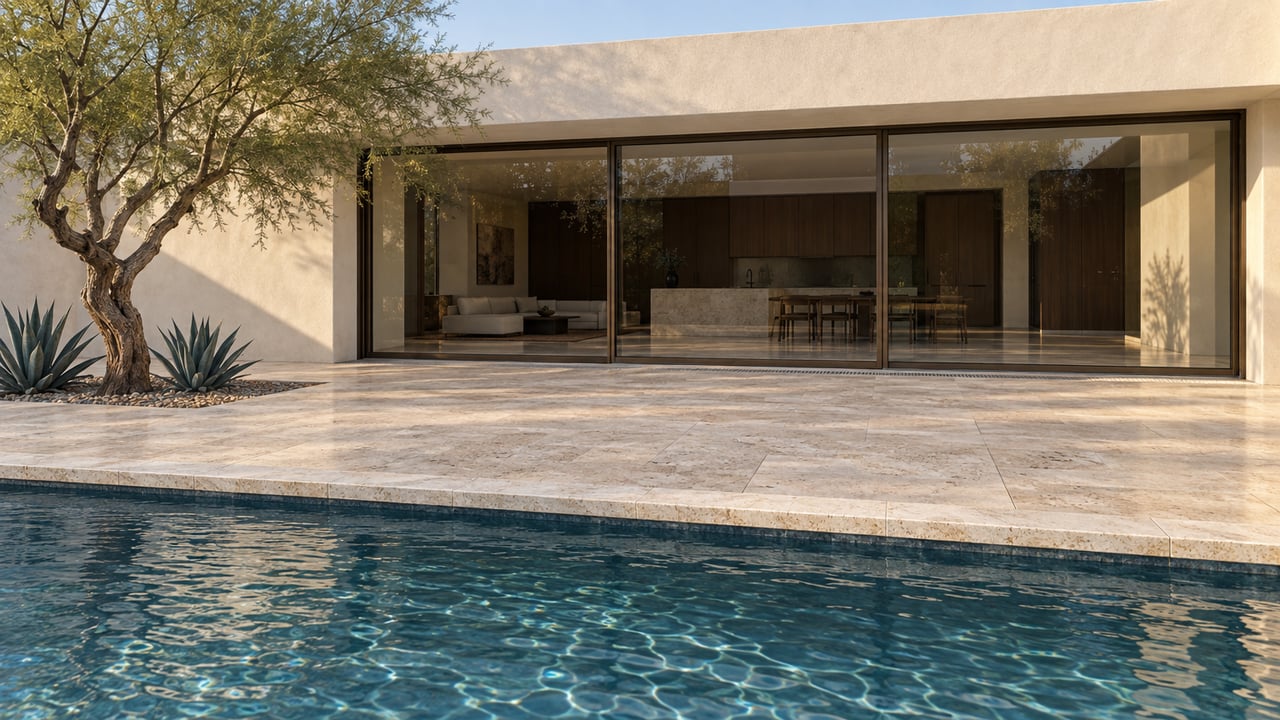
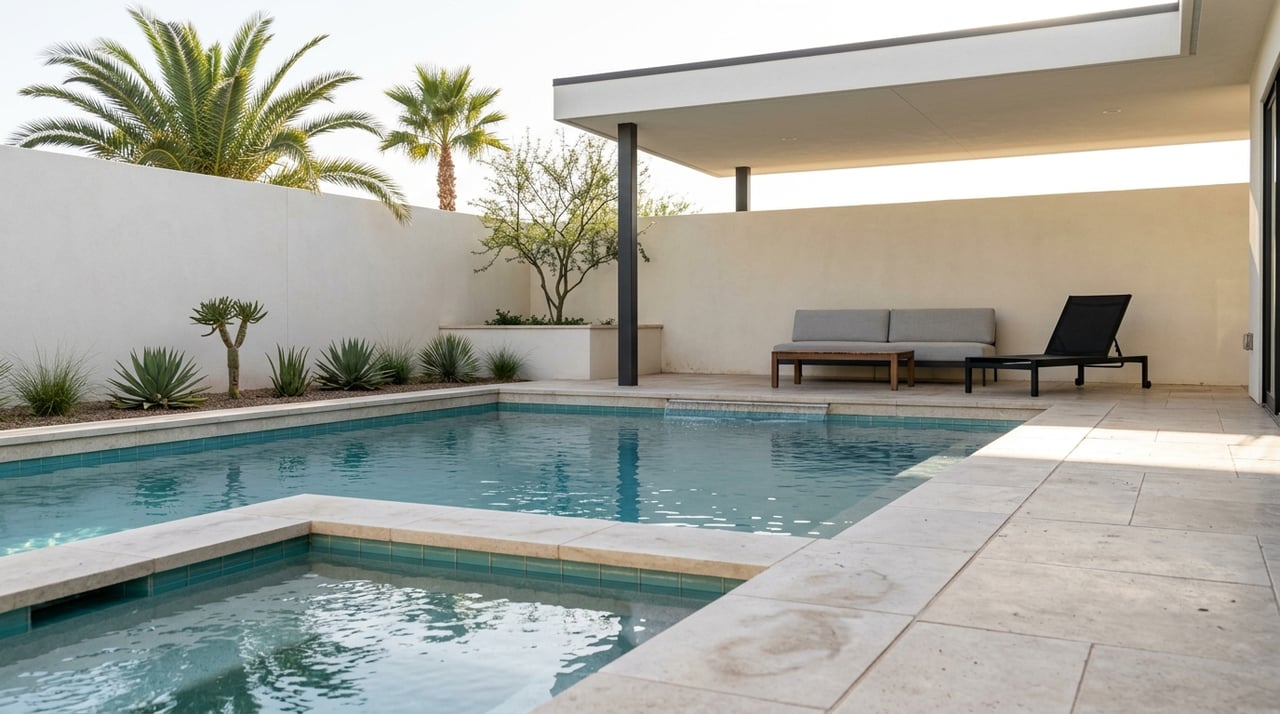
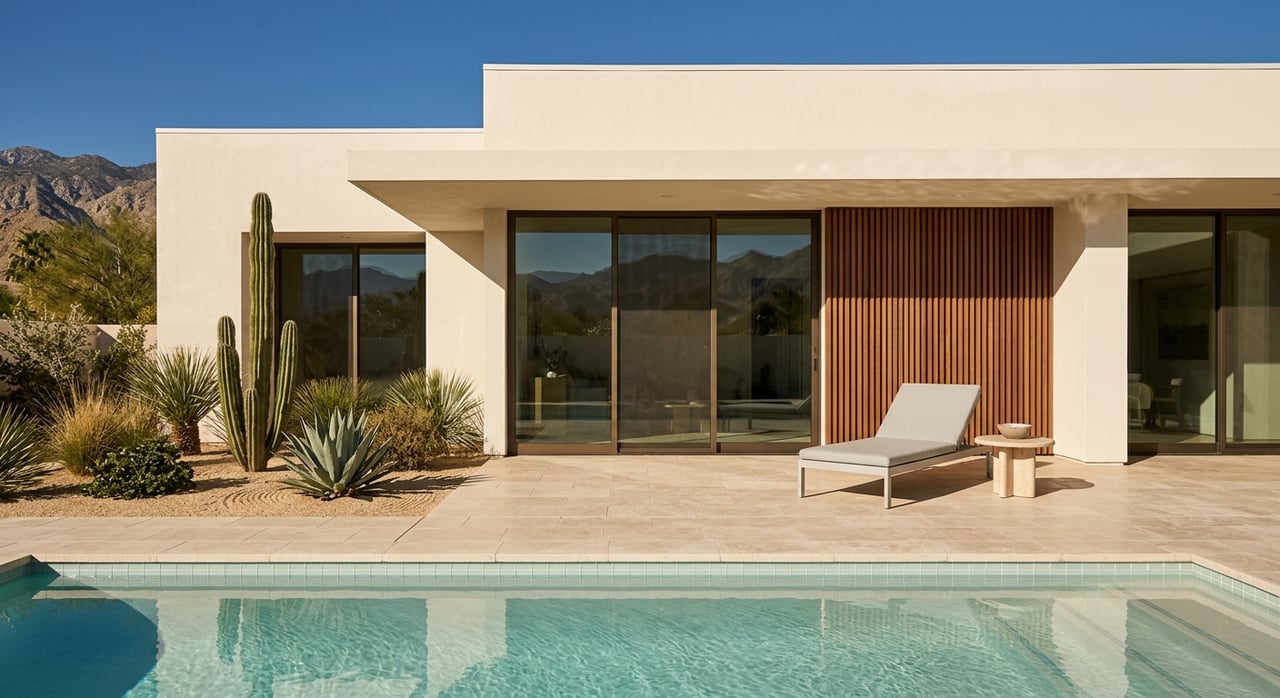
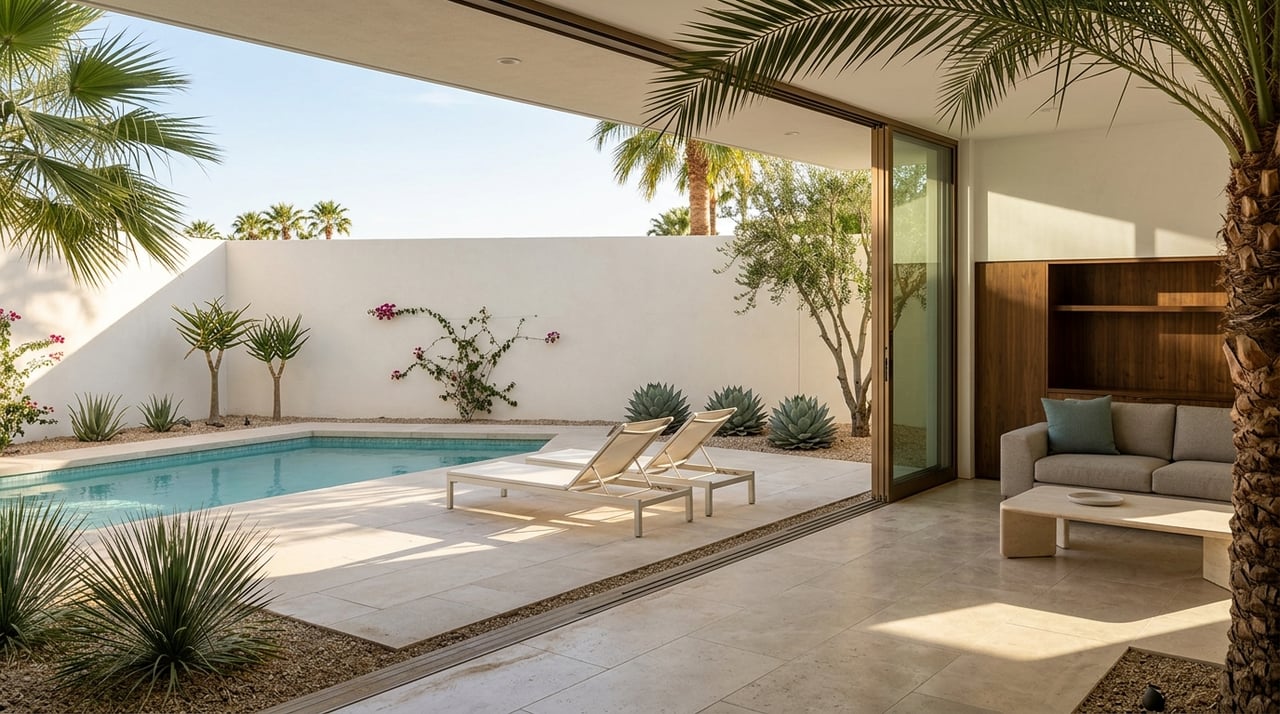
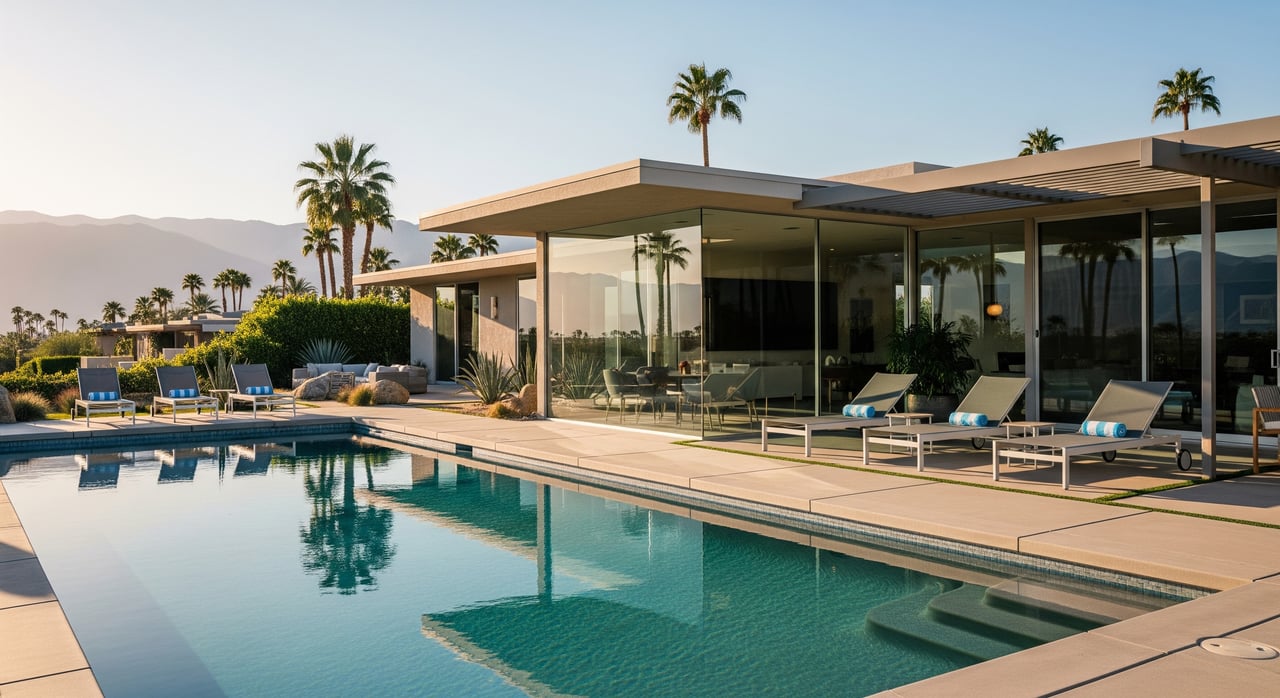
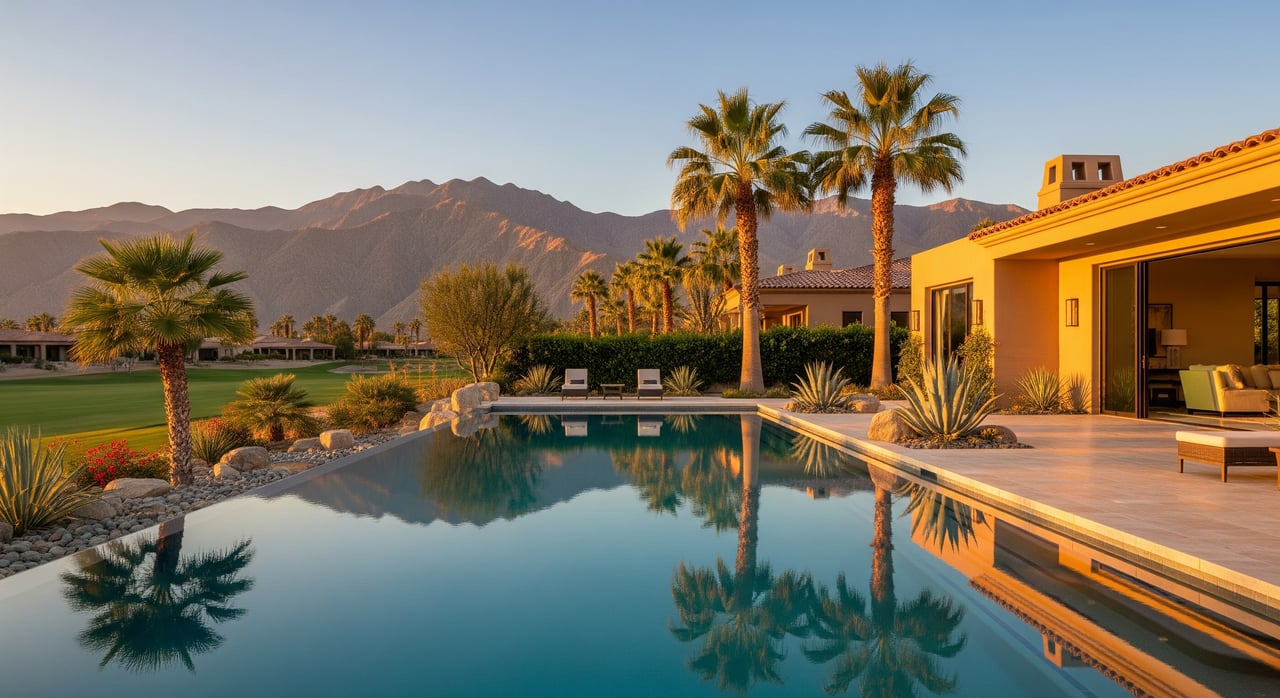
In a hot desert climate, pools are not just nice to have. They are a cooling escape and a social hub for residents and winter visitors. Many communities offer multiple pools, a spa, shaded lounges, and grills.
Common setups include lap and resort‑style pools, year‑round heating, and posted hours. Winter heating and shaded seating often determine how much you will actually use a pool.
- Questions to ask: Are pools heated in winter and is there an extra surcharge? What are hours, guest rules, and accessibility? How are maintenance and chemical schedules handled? Is there a lifeguard policy?
- Signals to watch: Frequent repairs, shortened hours, or closed features can hint at tight budgets or deferred maintenance. Ask about any water‑use rules that could affect operations during drought.
Fitness and wellness
Indoor fitness rooms are a big plus when outdoor activity is tough in summer heat. Convenience drives usage for both full‑time and seasonal owners.
Expect cardio and weights, sometimes with studios for classes, yoga, or stretching. Higher‑end sites may add sauna or steam rooms, and some contract outside instructors for group sessions.
- Questions to ask: How new is the equipment and how often is it serviced? Are there class calendars, booking systems, or member fees? What are cleaning and ventilation practices? Is an orientation required before use?
Pickleball and tennis courts
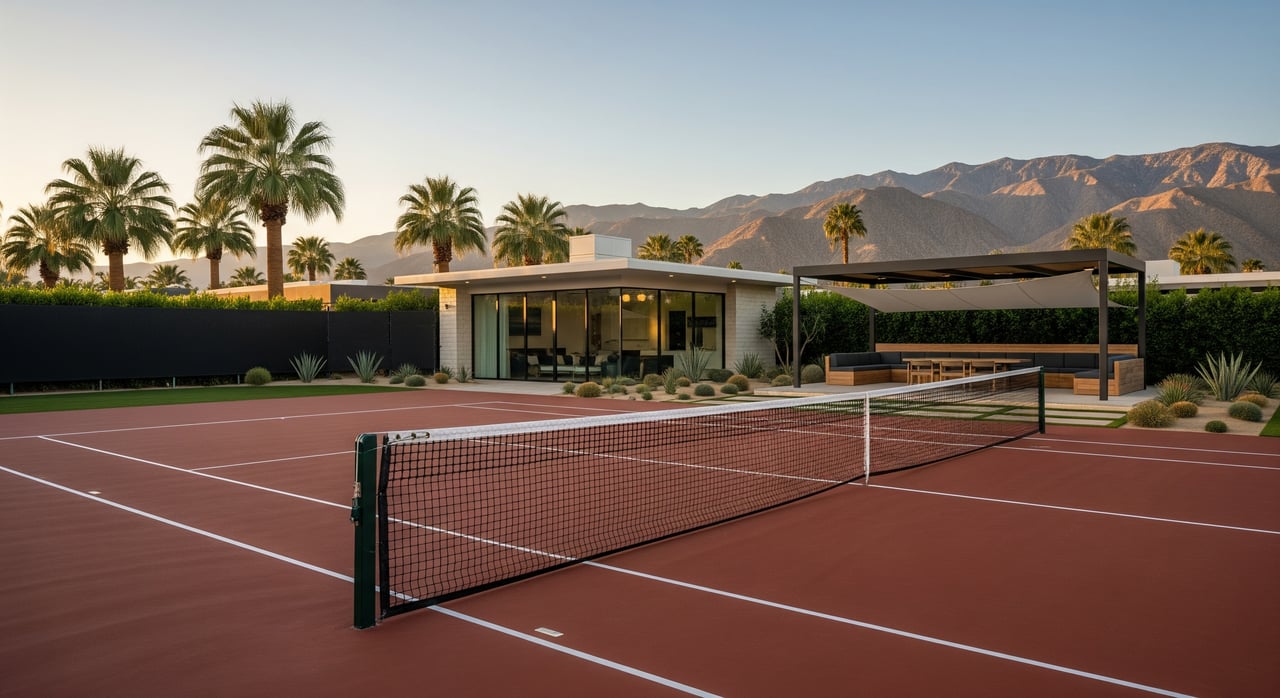
Pickleball has exploded in popularity across the region, and tennis remains a staple in many resort communities. Courts bring people together for social play, leagues, and events.
Delivery varies. You might see dedicated pickleball courts, convert‑to‑pickleball hard courts, or separate tennis and pickleball facilities with lights and reservation systems.
- Questions to ask: How do reservations work and what are hour limits? Are there evening lights? How often are courts resurfaced and who pays for it? What are guest rules? Are there any noise policies in denser sites?
Clubhouses and social spaces
Clubhouses anchor the social life of many condo communities, especially in winter. Spaces support holiday gatherings, game nights, meetings, and casual lounging.
Typical features include meeting rooms, kitchens or catering setups, billiards and game rooms, and TV or media lounges. Some communities run seasonal event calendars.
- Questions to ask: How do you book private events and what are the fees? Who handles cleaning and staffing? Are activities year‑round or seasonal? What are staff hours and holiday policies?
On‑site services and staffing
Convenience matters, particularly for part‑time residents and older buyers. On‑site teams reduce errands and help keep things running smoothly.
Services can include on‑site management, maintenance, landscaping, pool service, pest control, and package reception. Some communities also offer on‑site rental management.
- Questions to ask: Which services are covered by your HOA fee and which are billed separately? Does staffing increase in high season? What vendor contracts are in place and for how long?
Security, gated access and parking
Gated entries, guarded booths, and secured parking provide privacy and help manage guest access. They are common in resort‑area condos.
You may see keyfob or guard gates, cameras in common areas, and specific guest parking policies. Rules for deliveries, rideshare, and overnight parking vary by community.
- Questions to ask: Is guest parking plentiful and easy to find? What does 24/7 guard service cost and how does it affect dues? Are there rules on vehicle storage or garage use?
Outdoor landscaping and shade
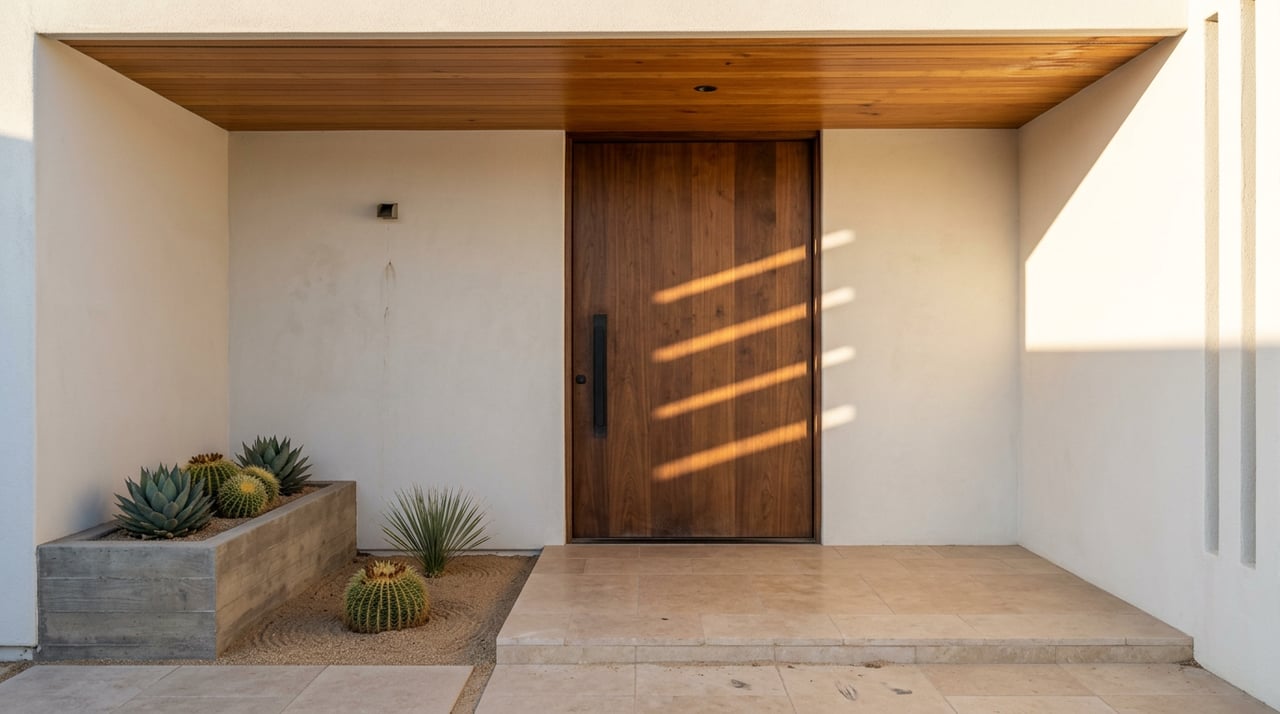
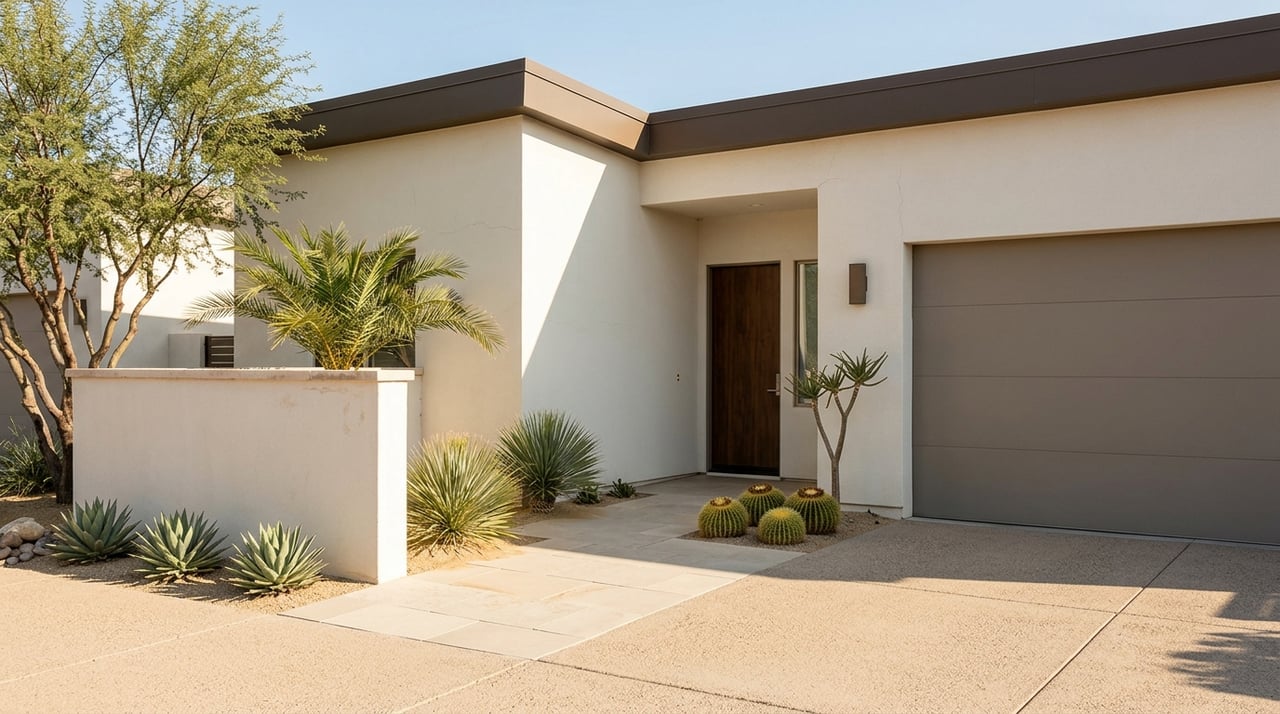
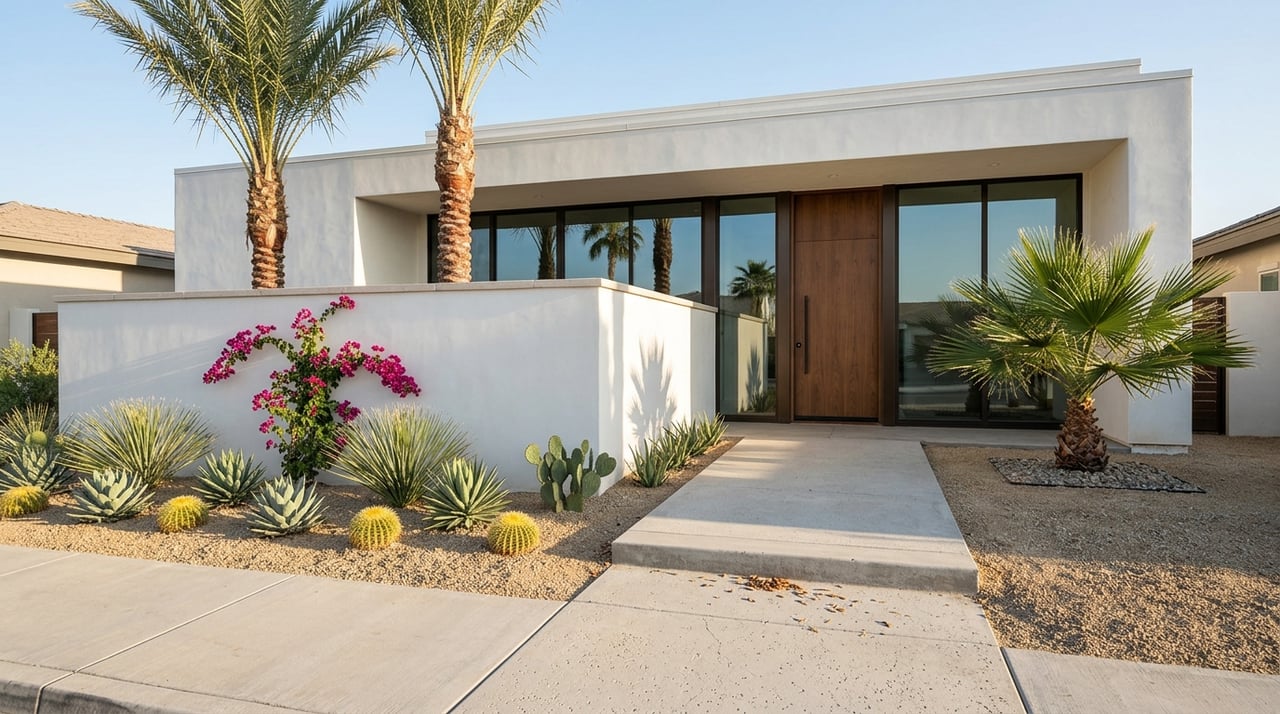
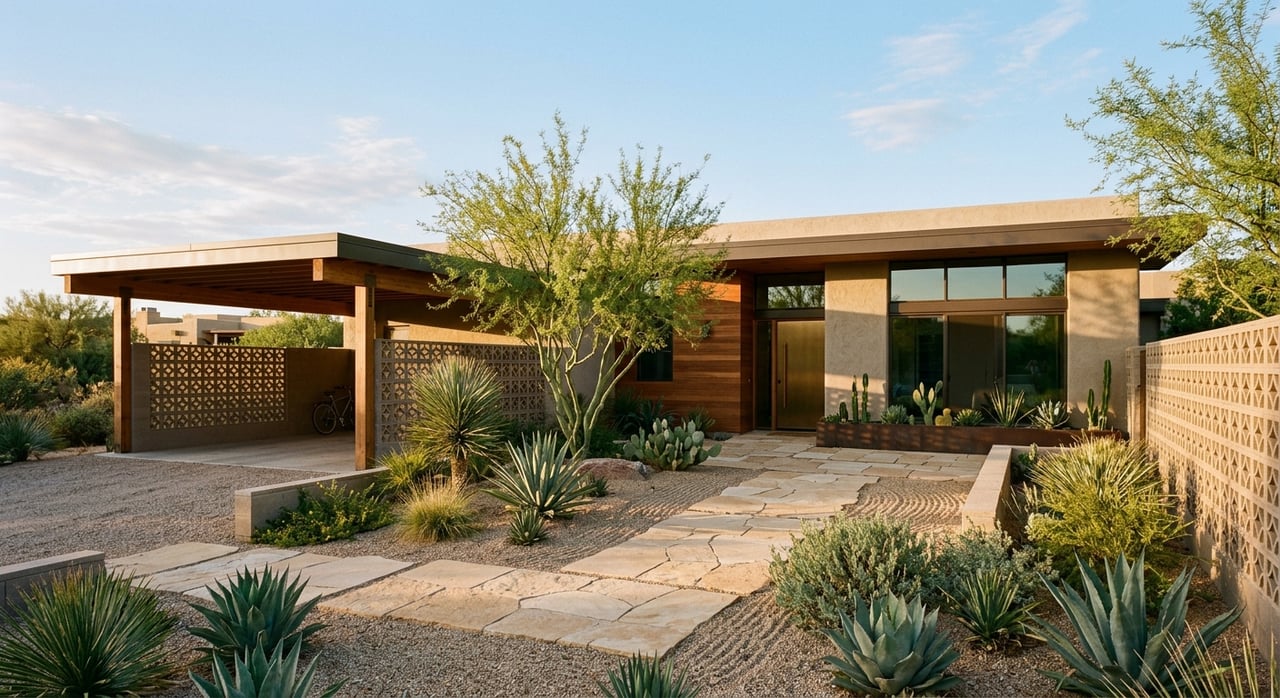
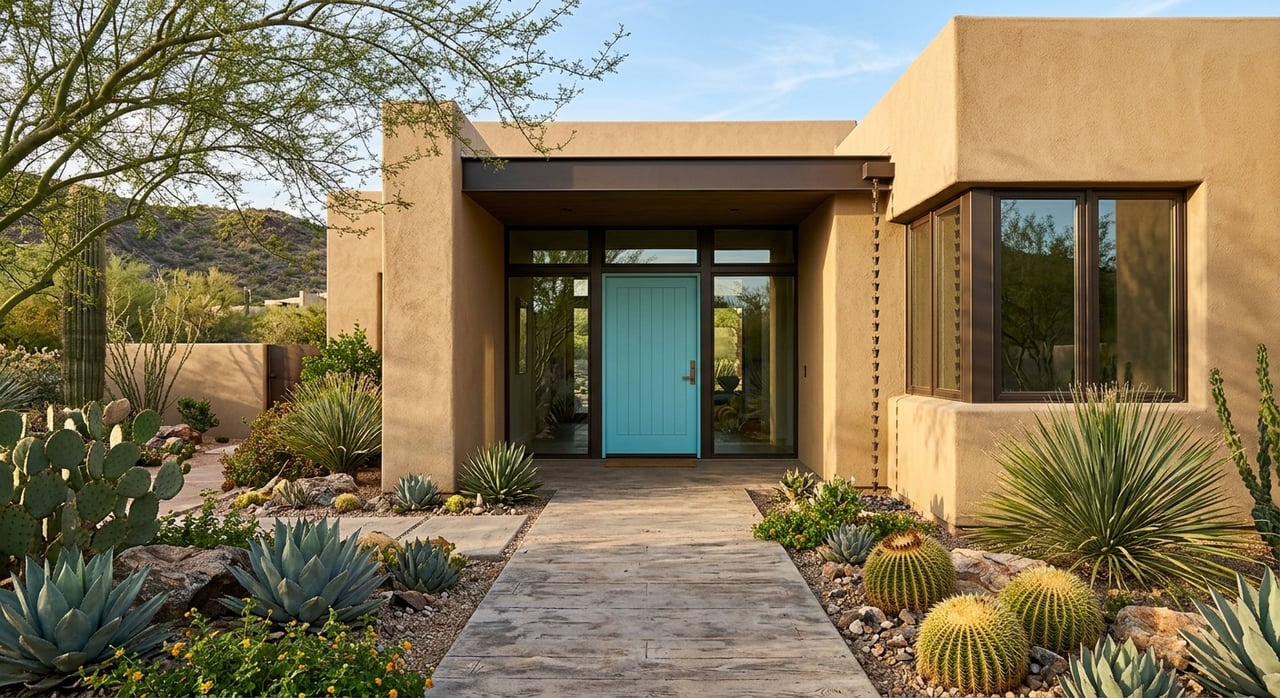
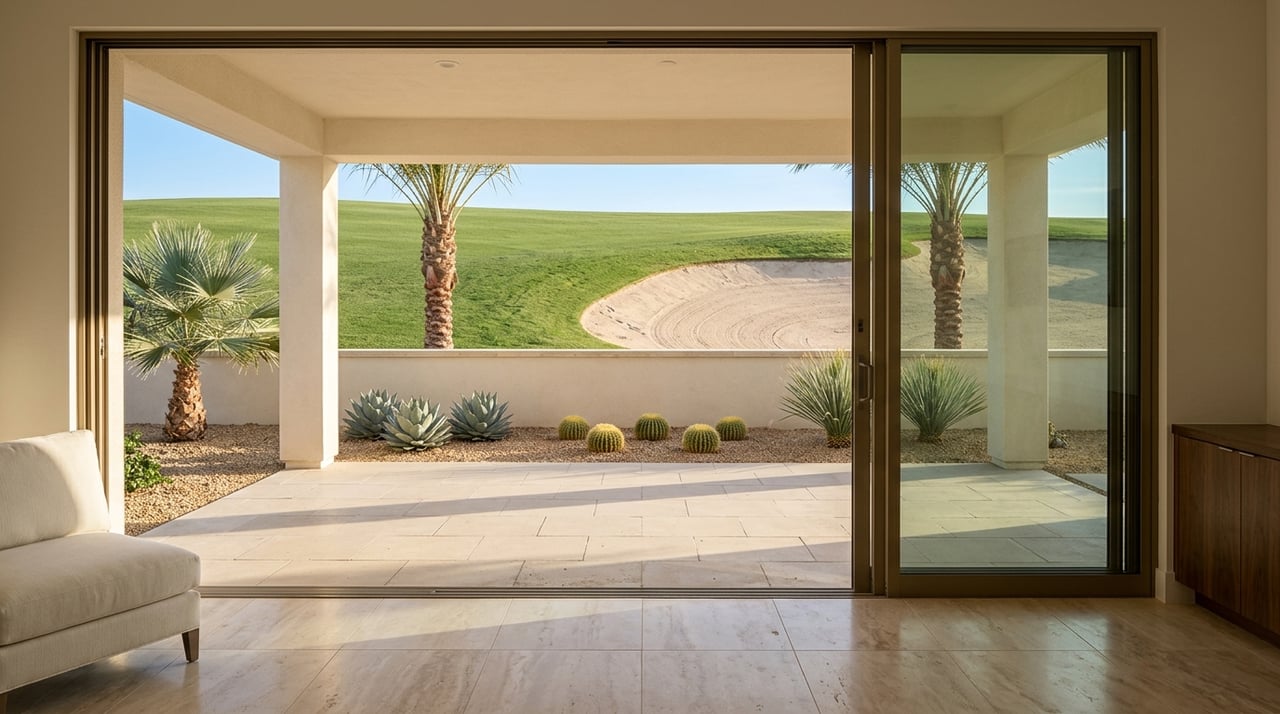
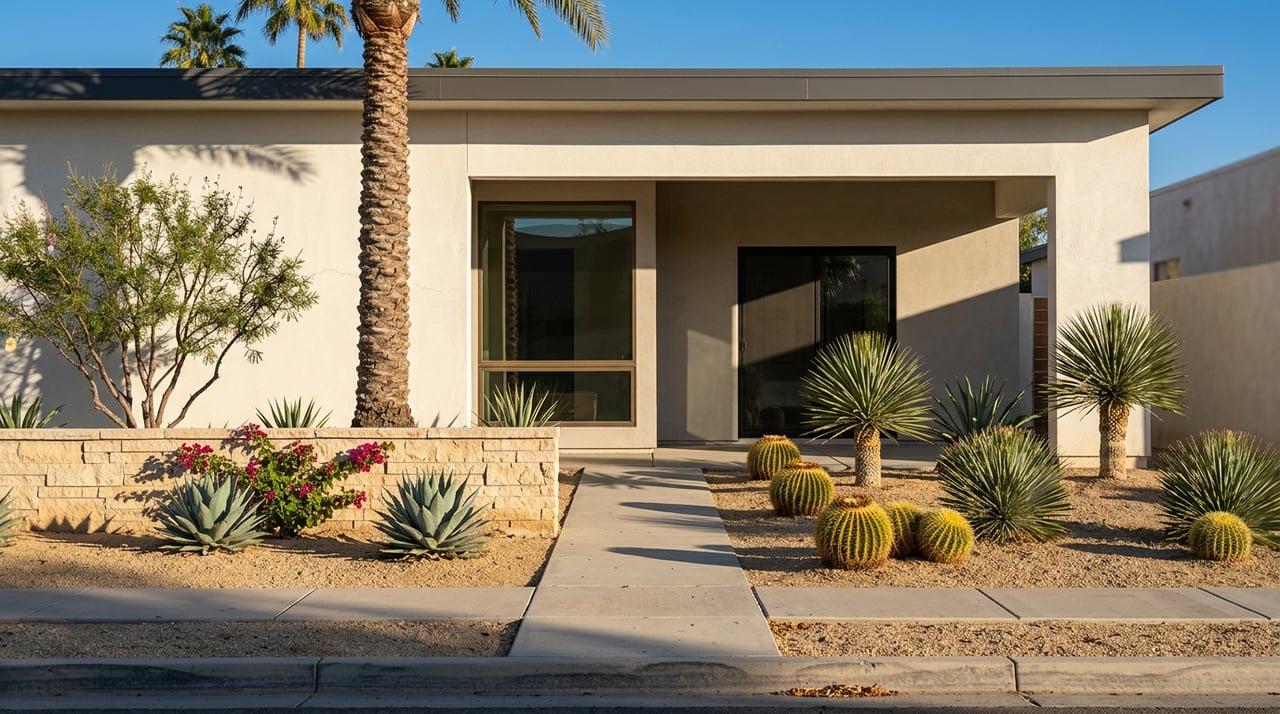
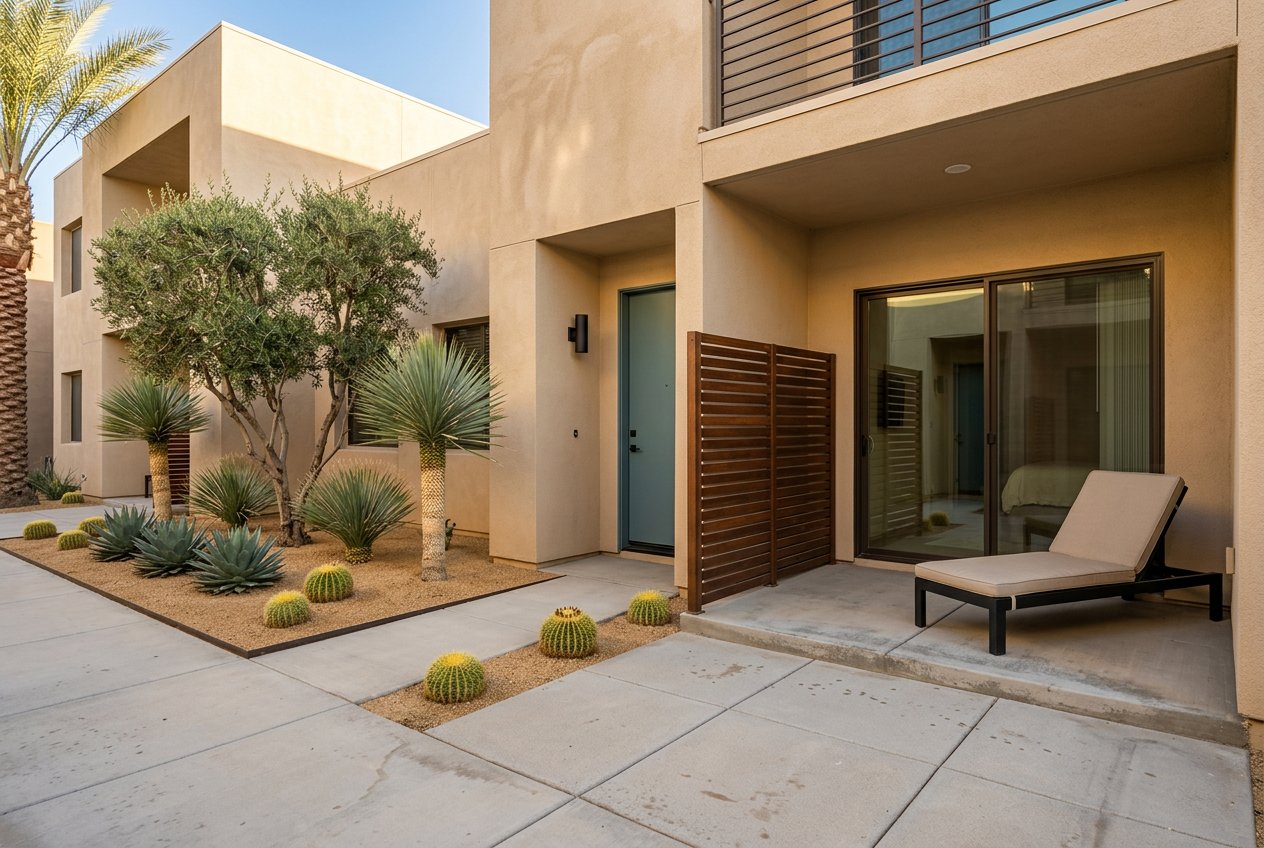
Smart landscaping and shade structures can turn patios and courtyards into usable spaces for much of the year. Xeriscaping and native plants also help manage water use.
Design and irrigation choices affect noise, odor, and timing of yard work. Shaded seating near pools can make a big difference during hot or windy periods.
- Questions to ask: How does the HOA manage irrigation schedules and water rules during drought? Are patios private or shared? What is the plan and budget for ongoing landscape care?
Storage, garages and EV charging
Seasonal owners often need extra storage. Covered parking reduces heat exposure and wear on vehicles. EV charging is increasingly expected, though many older buildings need board approval for installs.
Parking may be deeded, assigned, or first‑come. Storage lockers and bike rooms vary in size, location, and cost.
- Questions to ask: Is parking deeded or assigned, and can you trade spaces? What are the rules and costs for EV charger installation? Are storage lockers available and at what price?
Technology and connectivity
Reliable internet keeps you connected for work, streaming, and smart‑home devices. Community Wi‑Fi and app‑based booking systems add convenience.
Internet options differ by building and provider. Some clubhouses offer Wi‑Fi for residents and guests.
- Questions to ask: Which internet providers serve the complex and what speeds are typical? Are there fees for community Wi‑Fi or smart‑access systems? How is data security managed for resident apps?
Align HOA fees with your lifestyle
Before you compare dues across communities, look closely at what those dollars include. A higher fee can be a better value if it covers services you use daily.
What HOA dues usually include
- Common area maintenance and janitorial
- Landscaping and irrigation
- Pool and spa upkeep
- On‑site management or contracted management
- Master insurance policy for the building and common areas
- Utilities for common spaces and trash service
- Reserve fund contributions for long‑term repairs
What is often extra
- Utilities inside your unit such as electricity, gas, and water
- Cable or internet service
- Optional memberships, classes, or guest event fees
- Add‑ons like storage rentals or reserved parking upgrades
Match amenities to your buyer type
- Full‑time resident: Prioritize year‑round pool heating, robust gym access, and an active clubhouse calendar. Expect dues to reflect broader use and 24/7 availability.
- Seasonal or snowbird owner: Focus on winter‑ready pools, flexible guest policies, and management support for absentee owners, including package handling and seasonal maintenance.
- Investor or rental‑focused buyer: Confirm the rental policy in the CC&Rs, including any caps or minimum terms. Look for smooth guest parking, simple check‑in logistics, and clear amenity rules for renters.
Documents to request and red flags
You can learn a lot about an HOA’s health before you ever walk the property. Ask early so you can focus your tour list.
- HOA budget for the current year
- Reserve study or a recent reserve balance statement
- Financial statements and meeting minutes from the last 6 to 12 months
- CC&Rs, rules, and any rental policy documents
- Insurance master policy summary and owner policy requirements
- Vendor contracts for major services such as grounds, pool, and trash
Watch for these issues that can affect enjoyment and cost:
- Repeated special assessments or sudden, large fee increases
- Deferred maintenance on roofs, pools, or courts
- Low reserves relative to upcoming projects in the reserve study
- Rules that conflict with your plans, such as strict guest or rental limits
- Unclear governance, frequent board turnover, or litigation in minutes
Compare communities from afar
Pre‑screen online
- Study listing photos, 3D tours, and any amenity maps for condition and scale.
- Ask for short video walkthroughs of high‑use areas, including pools, gyms, and courts.
- Confirm which amenities are currently open and any seasonal limits.
First‑call questions
- What does the monthly HOA fee include, line by line?
- Are pools heated year‑round and is there a separate heating charge?
- How are courts reserved and what are peak times?
- What are the rules for rentals, guests, and absentee owners?
- Have there been special assessments in the last 3 to 5 years? Any planned?
- What is the current reserve balance and latest reserve study guidance?
- Which vendors handle janitorial, landscaping, and pool service, and for how long?
Plan your visit
- Visit during likely peak hours, such as morning classes or late afternoon pool time, to gauge real usage and noise.
- Check the clubhouse calendar, court reservation boards, and posted rules.
- If possible, chat briefly with residents about reliability and any recurring issues.
- Look for wear and tear, including cracked pool decks, faded court surfaces, or tired gym equipment.
Score your short list
- List your top six amenities and rate availability and condition from 1 to 5.
- Note the HOA fee, rental rules, and reserve status for each property.
- Compare the net cost against how often you will truly use each amenity.
Resale and investment impact
Well‑maintained, distinctive amenities can boost demand and support resale premiums in a leisure market like La Quinta. Buyers respond to communities that look cared for and offer easy, social living.
On the other hand, high‑cost or neglected amenities can drag on value. If a community carries expensive features that are underused or often unavailable, many buyers will discount the property.
If you plan to rent, confirm the HOA’s rental policy upfront. Communities that allow short‑term stays may deliver higher yield but can require extra management and clear guest rules. Communities with strong event calendars and leagues often build cohesion, which can support more stable demand within their target buyer segments.
Ready to tour with confidence
Your best fit balances lifestyle, cost, and long‑term upkeep. With the right questions and documents, you can shortlist the La Quinta communities that feel like a resort when you are here and run smoothly when you are away. For a curated list of condo options and the latest HOA documents, connect with Roger Gendron. Your Next Chapter Starts Here.
FAQs
Which La Quinta condo amenities see the most use?
- Pools and spas, indoor fitness rooms, and social courts like pickleball tend to be the busiest, especially in winter when seasonal residents are in town.
What does a typical HOA fee include in La Quinta?
- Dues often cover common area maintenance, landscaping, pool upkeep, management, master insurance, common utilities, trash, and reserve contributions, with unit utilities and internet usually separate.
Are La Quinta condo pools usually heated in winter?
- Many communities heat at least one pool in winter, but schedules and any surcharges vary, so confirm dates, temperatures, and costs with the HOA or listing agent.
How should I evaluate pickleball and tennis access?
- Ask about reservation systems, peak hours, lighting, resurfacing schedules, and guest rules, then visit during busy times to see real‑world court availability.
What HOA documents should I request before touring?
- Request the current budget, reserve study or reserve balance, recent financials and minutes, CC&Rs and rental policy, insurance summary, and key vendor contracts.
What are red flags when comparing condo amenities?
- Repeated assessments, deferred maintenance on pools or courts, low reserves, restrictive rules that conflict with your plans, and signs of governance or litigation issues are all caution signals.