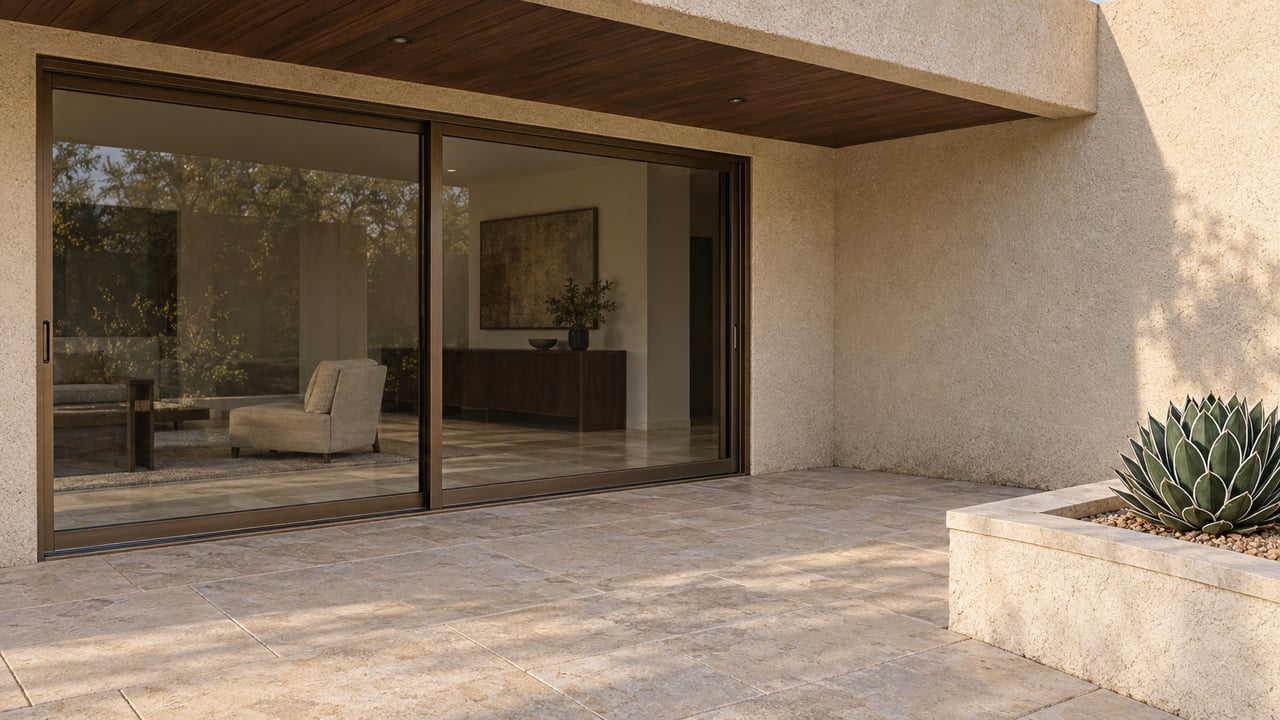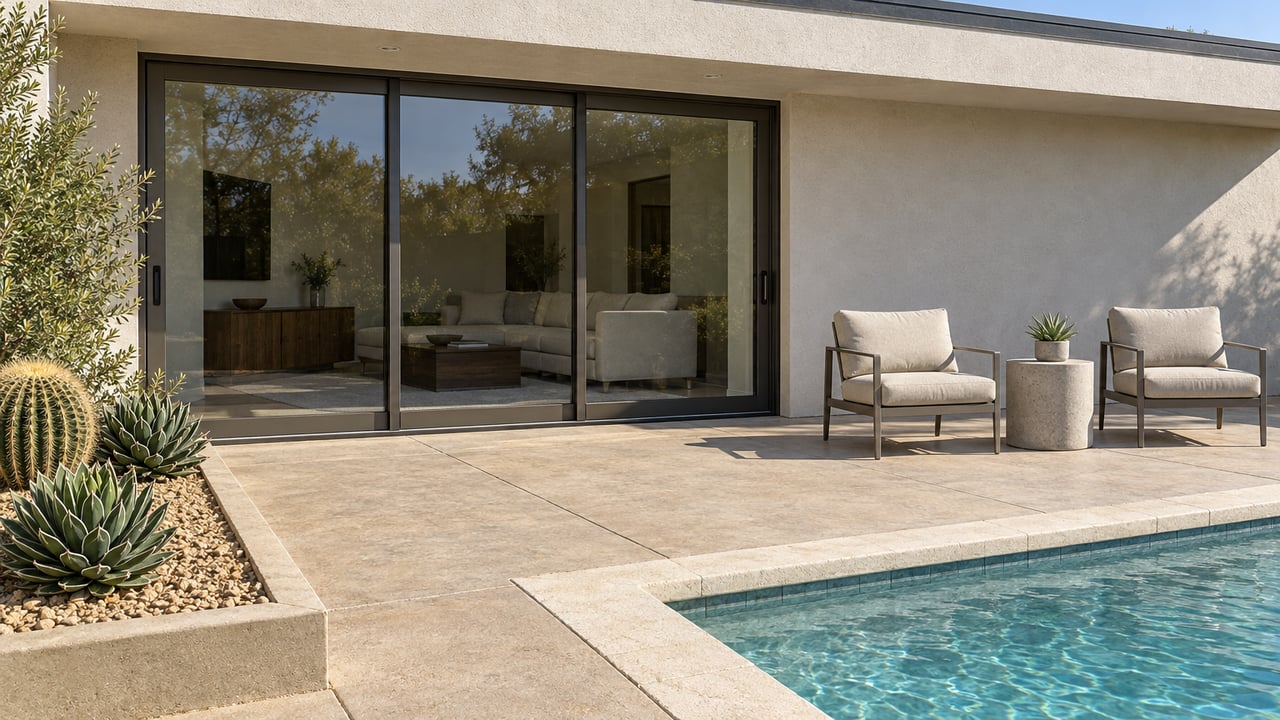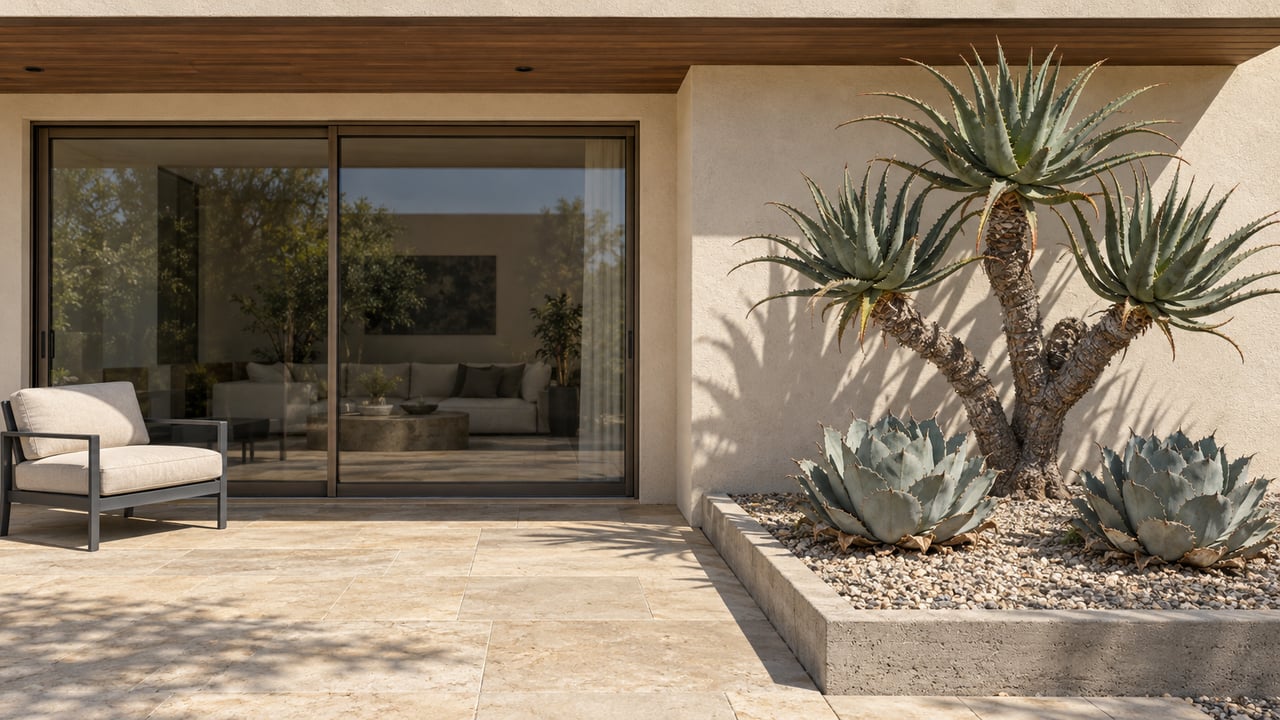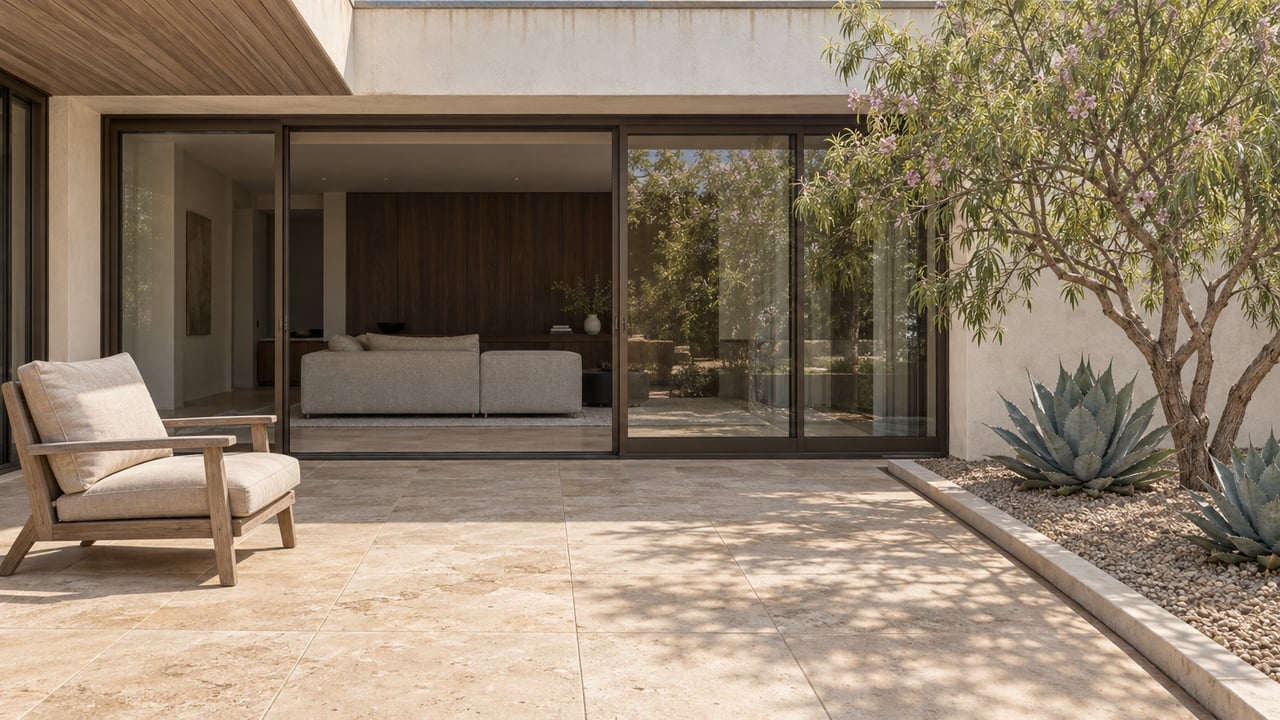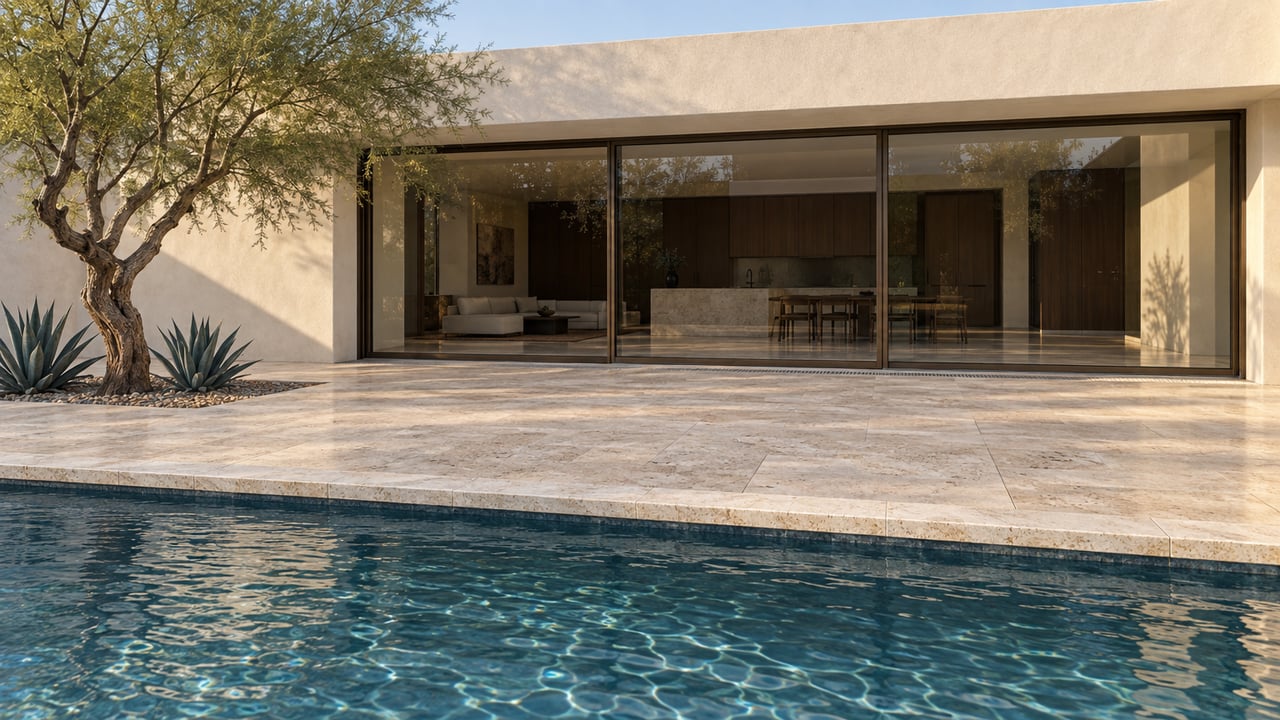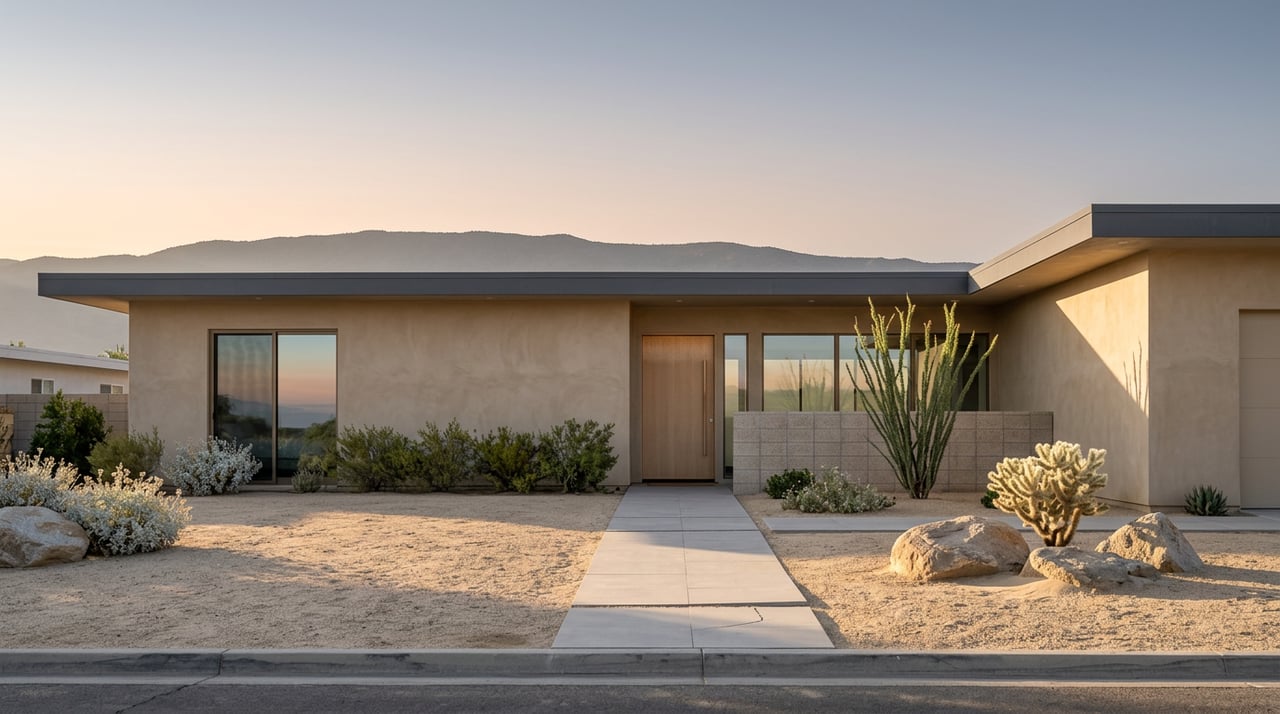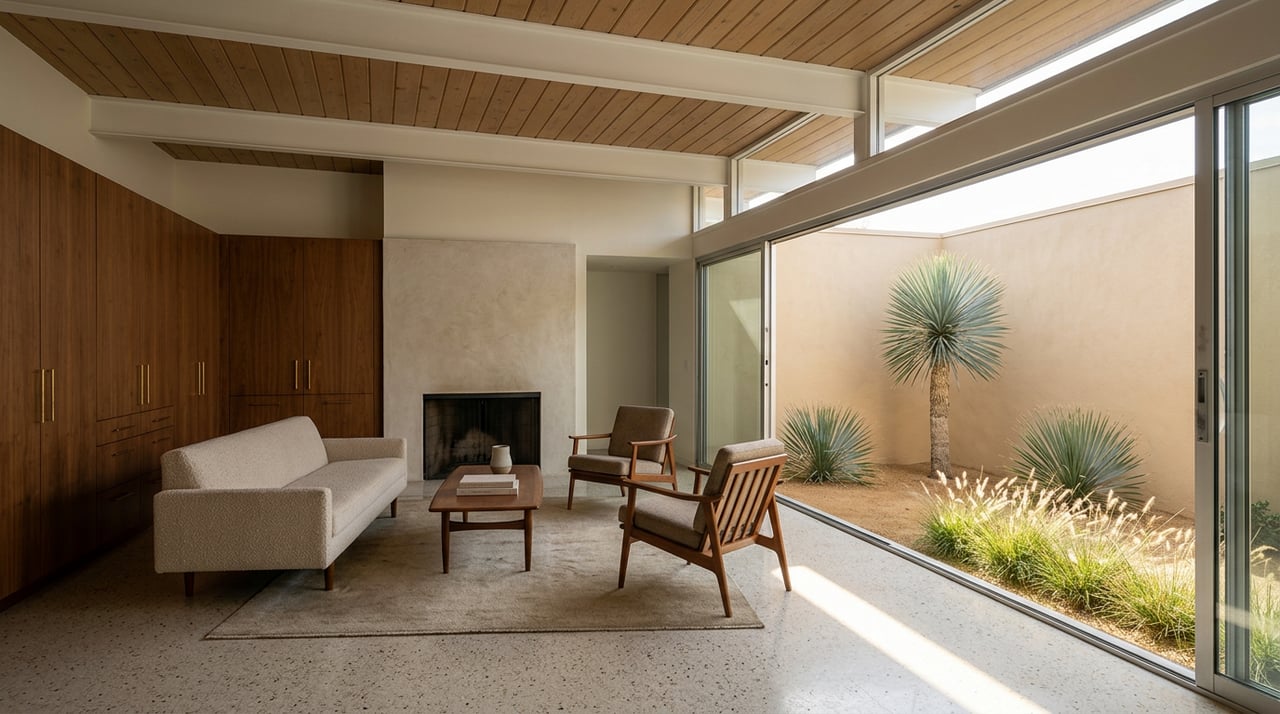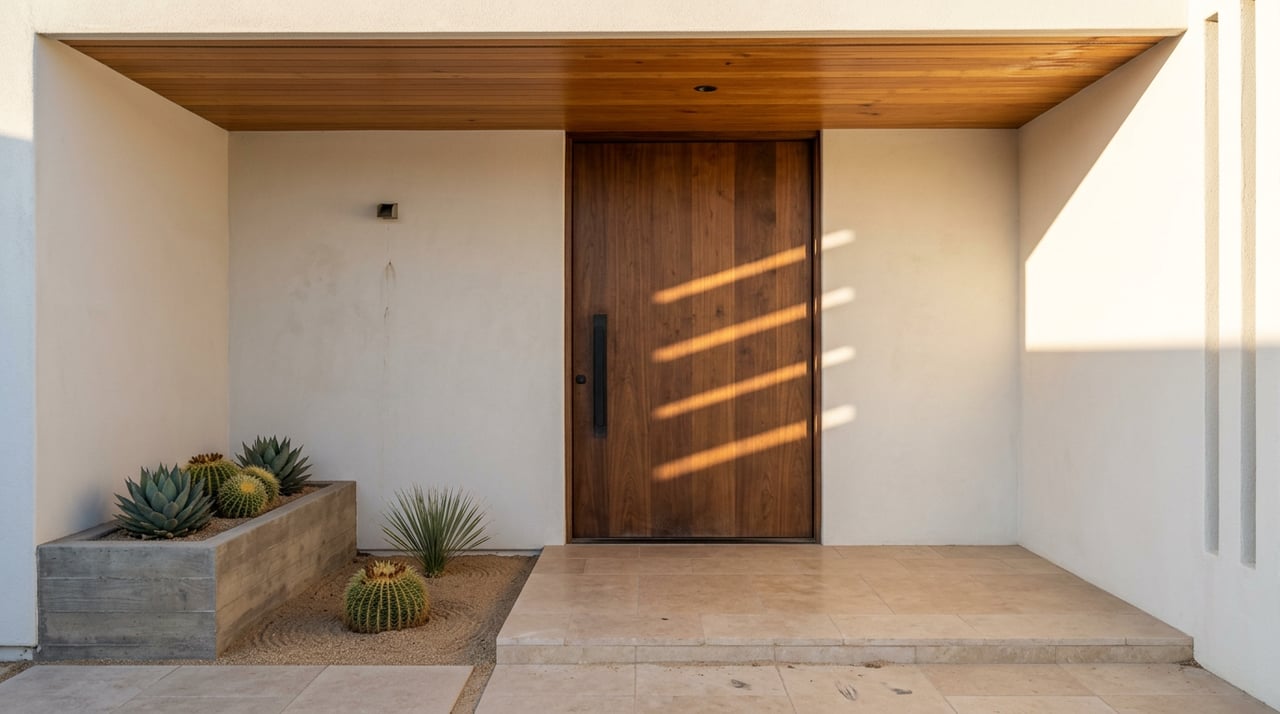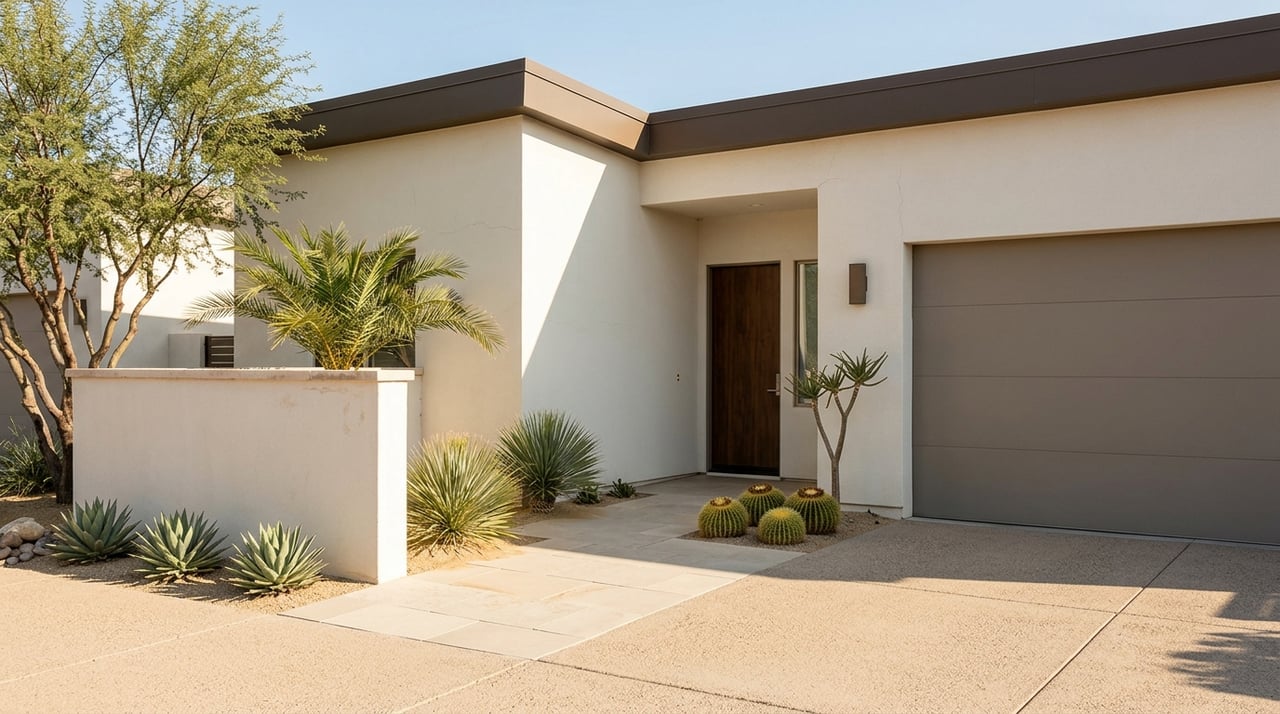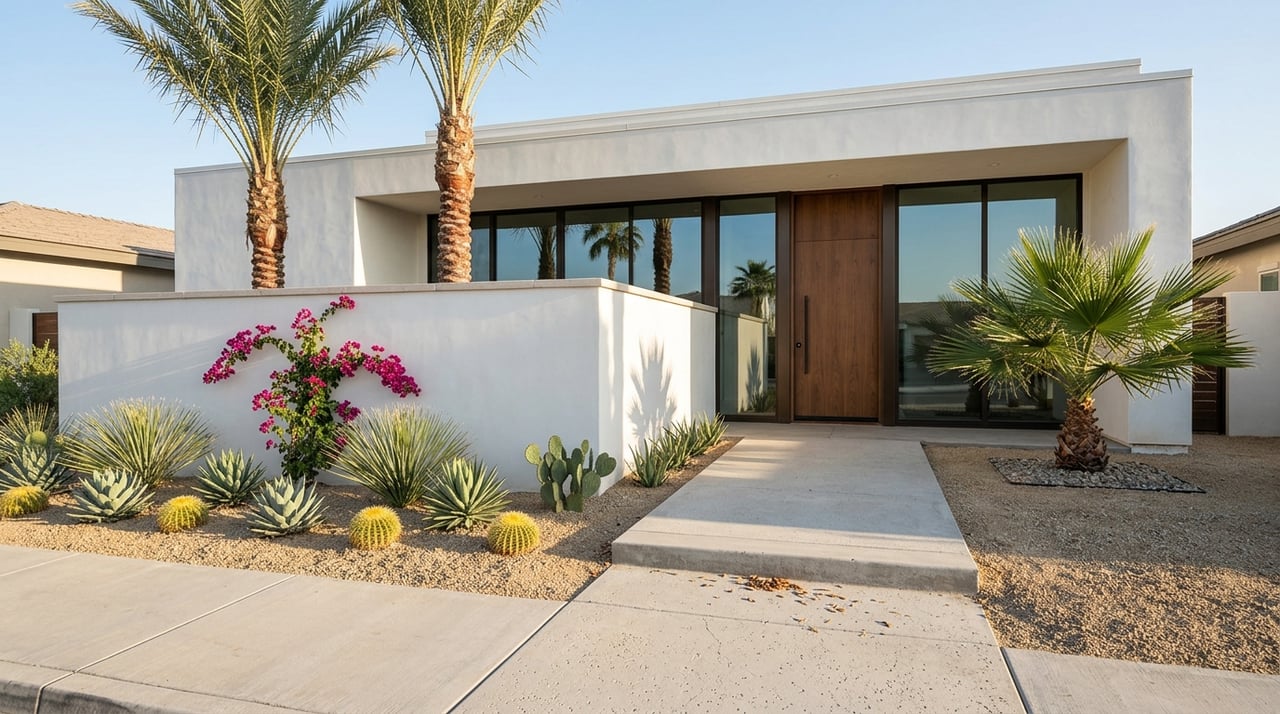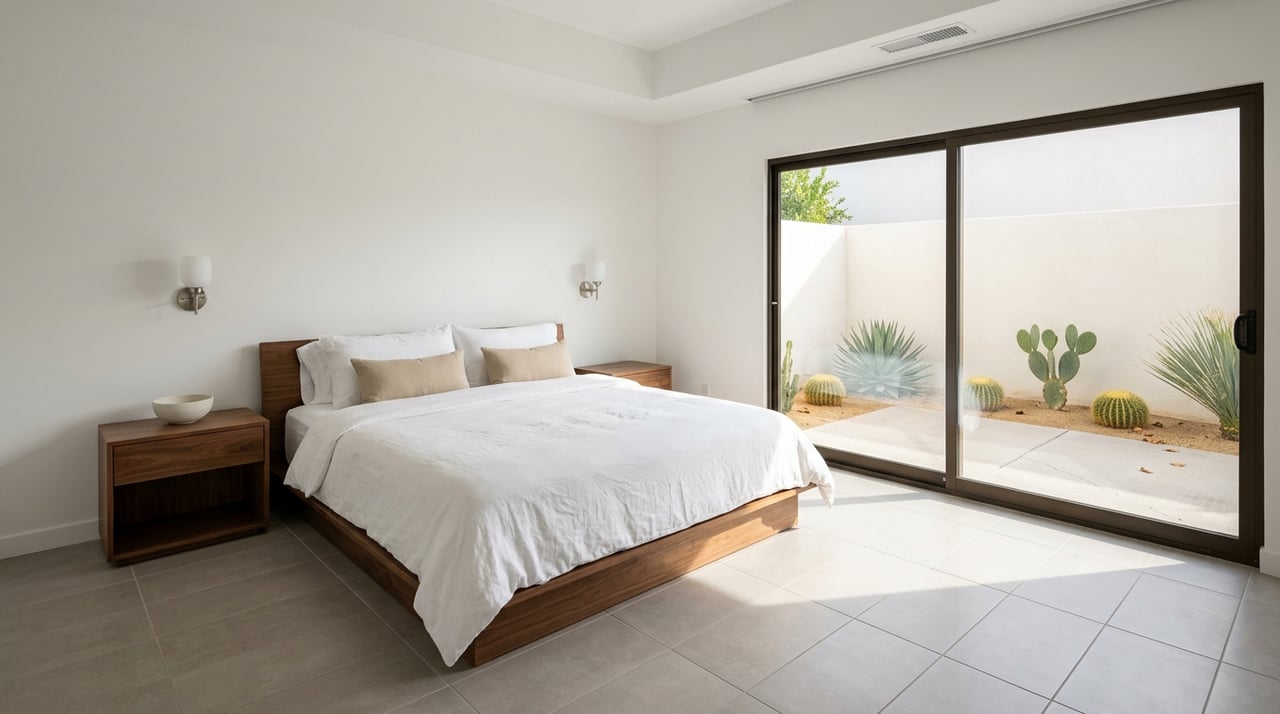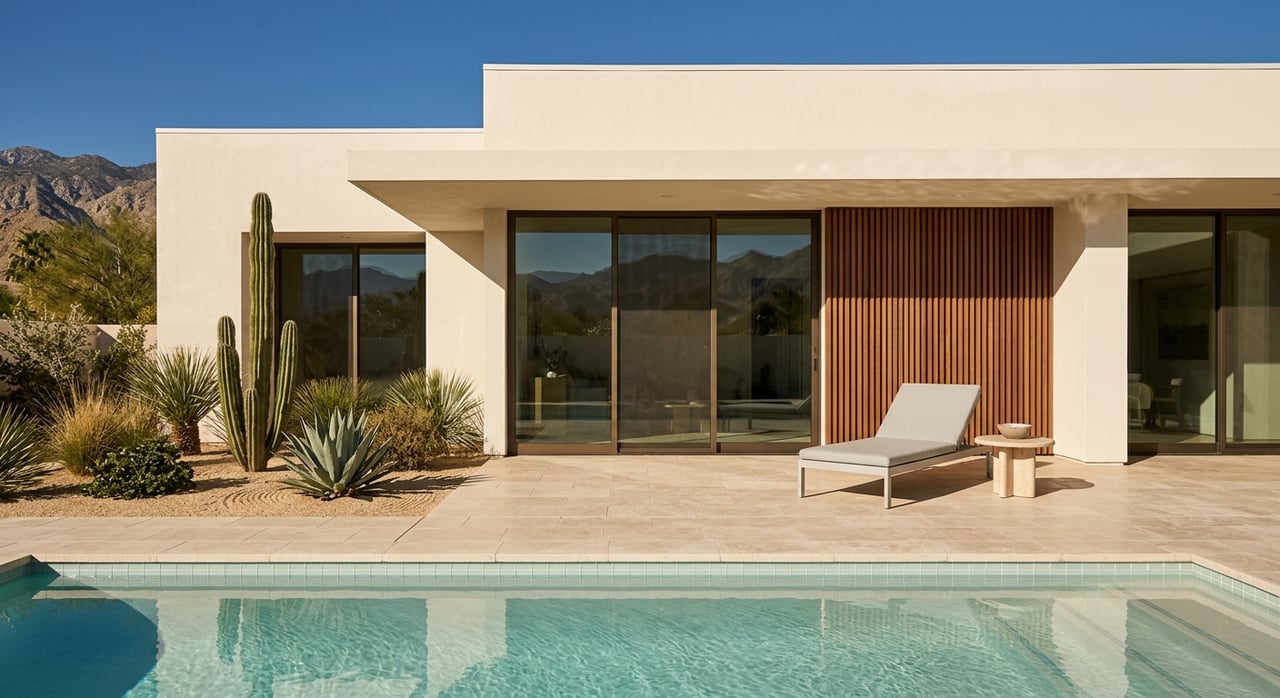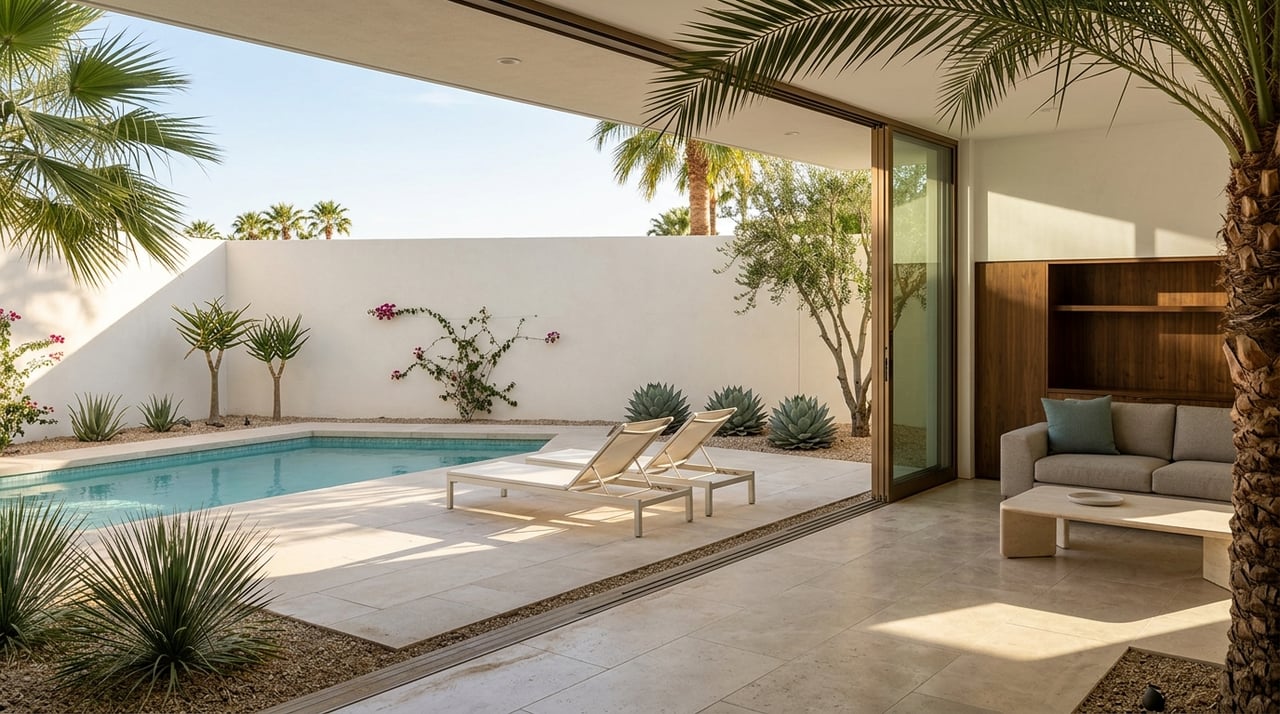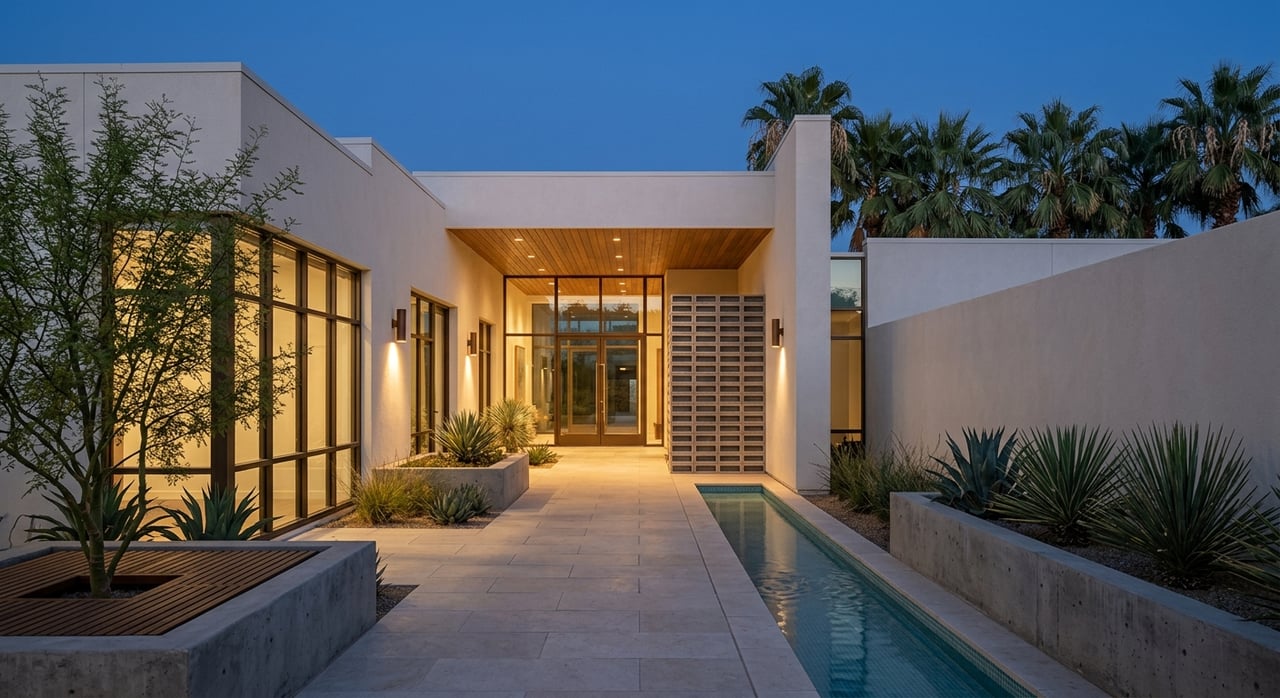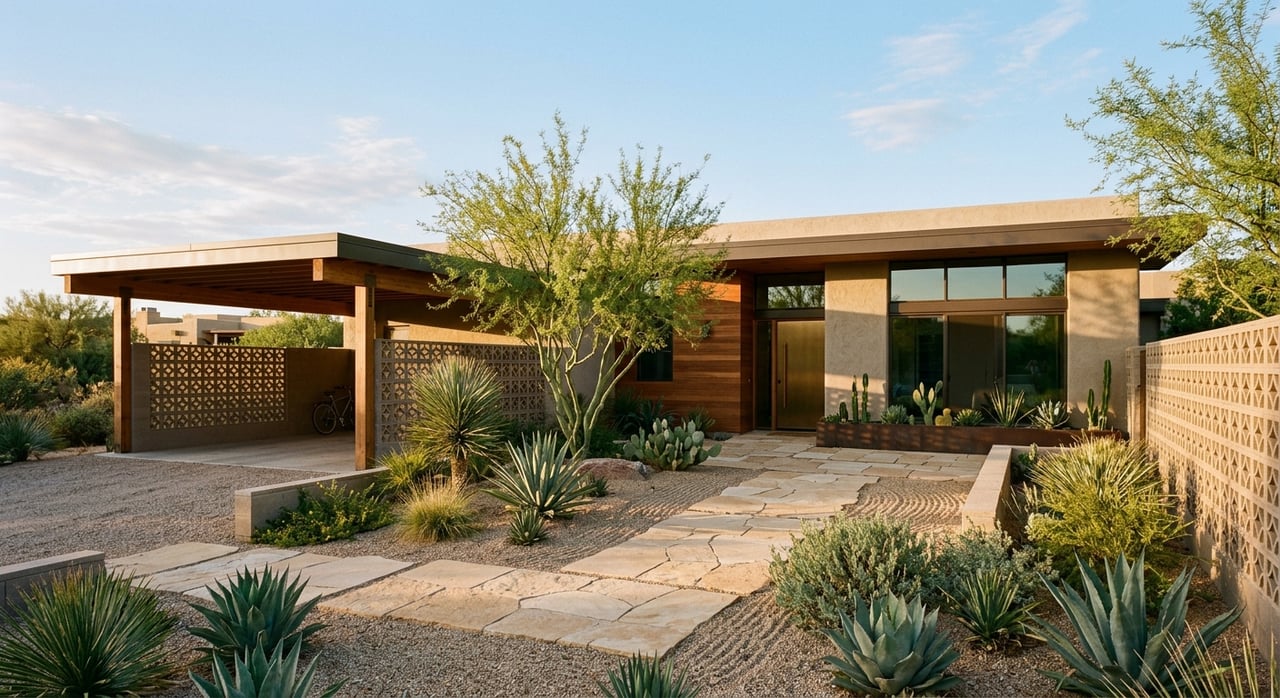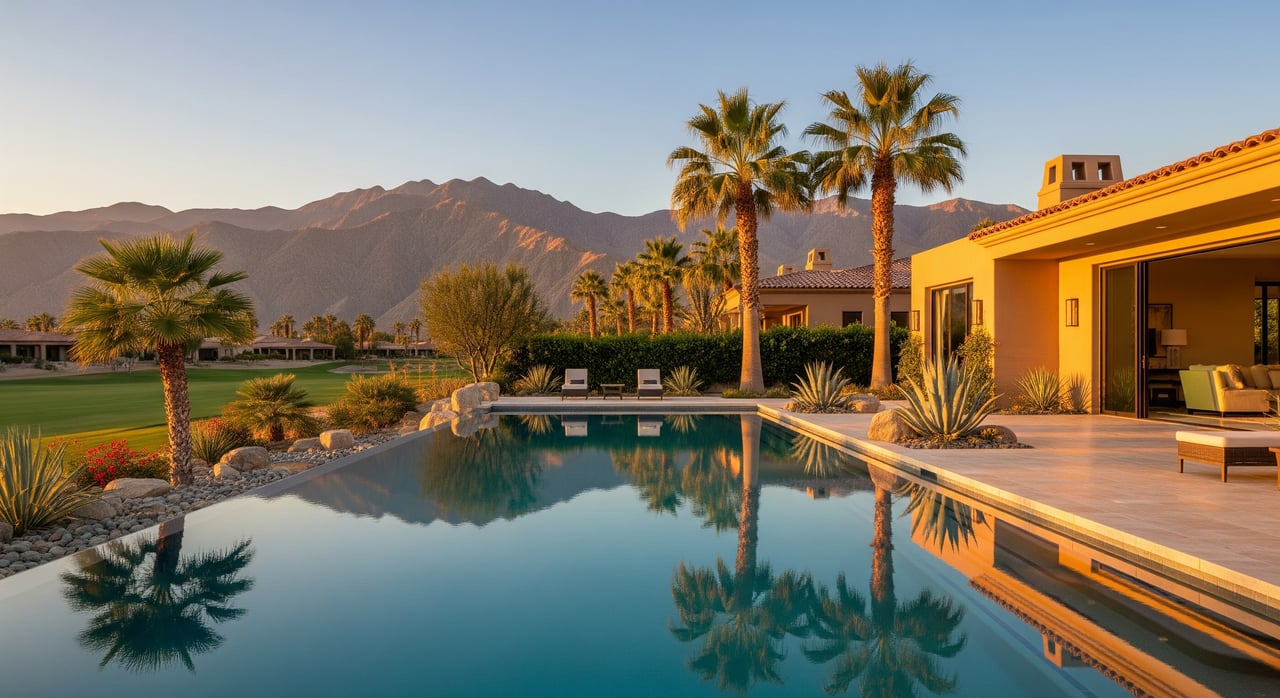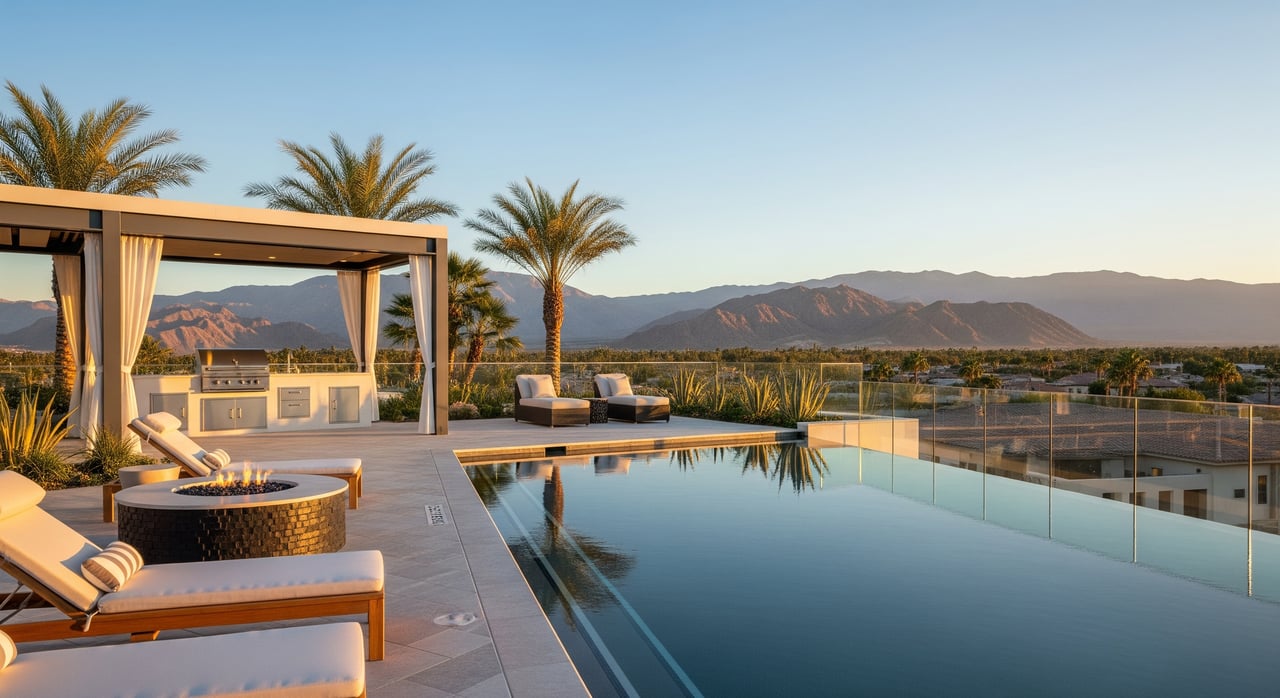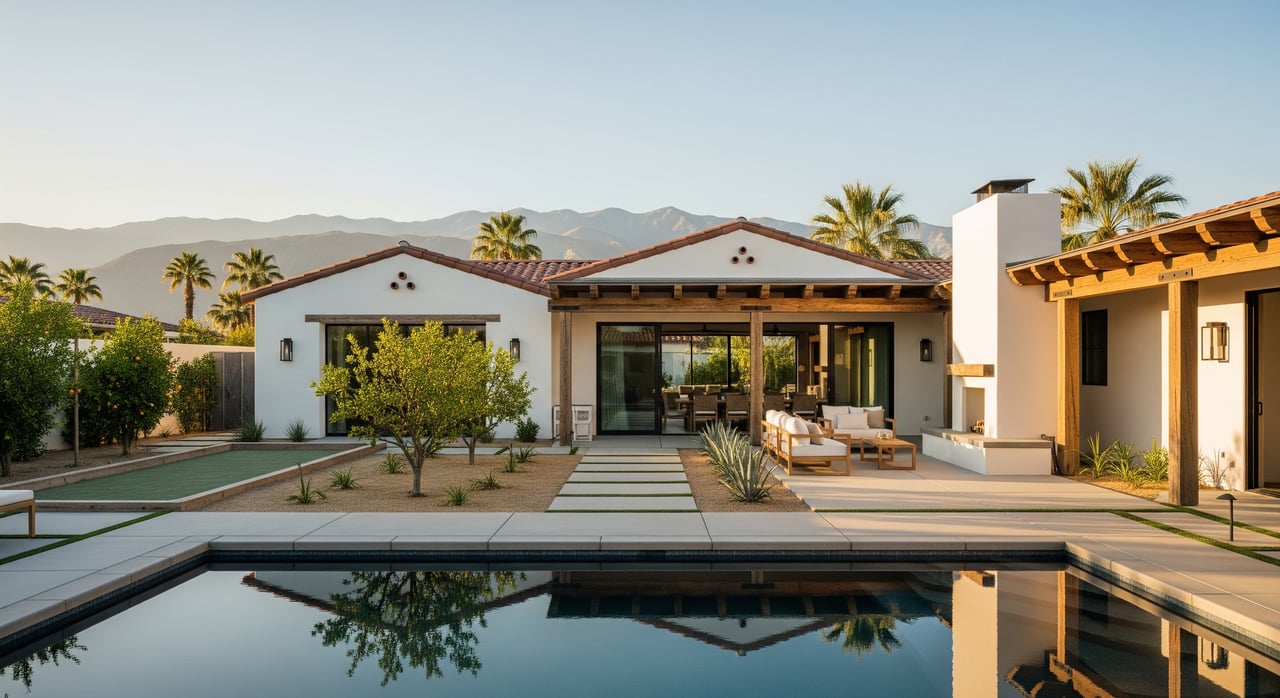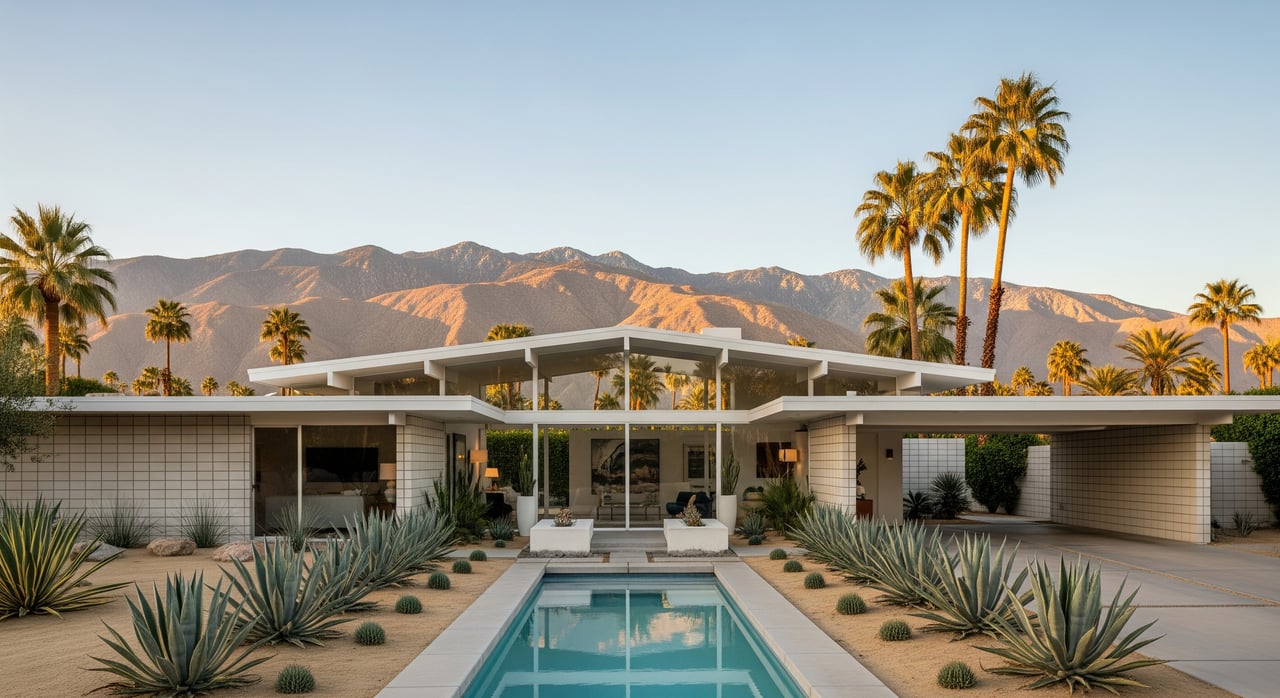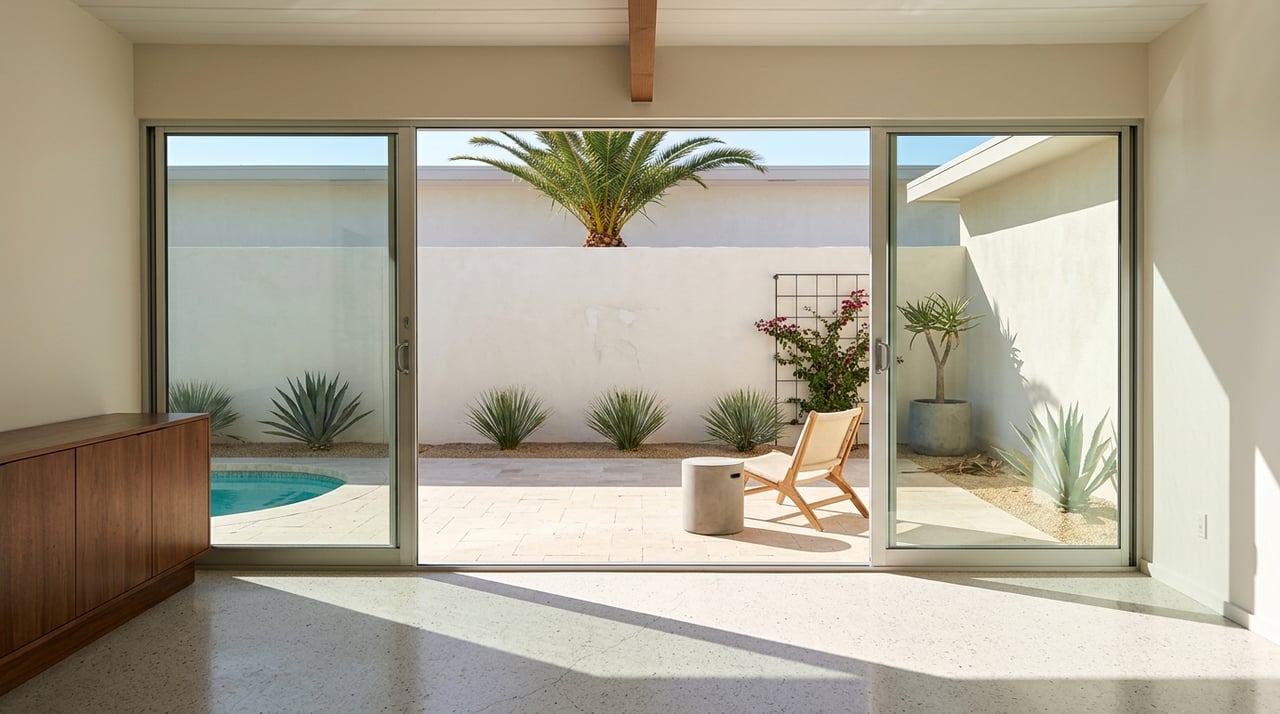
If you own a historic or mid-century home in Palm Springs, you are not just selling square footage. You are presenting a piece of the city’s architectural story. That can feel exciting, but it also raises real questions about how to position the home, what documents to gather, and how to speak to buyers with accuracy and confidence. In this guide, you’ll learn how to market a Palm Springs architectural property in a way that honors its provenance, answers buyer questions, and supports a smoother sale. Let’s dive in.
Why architecture drives value
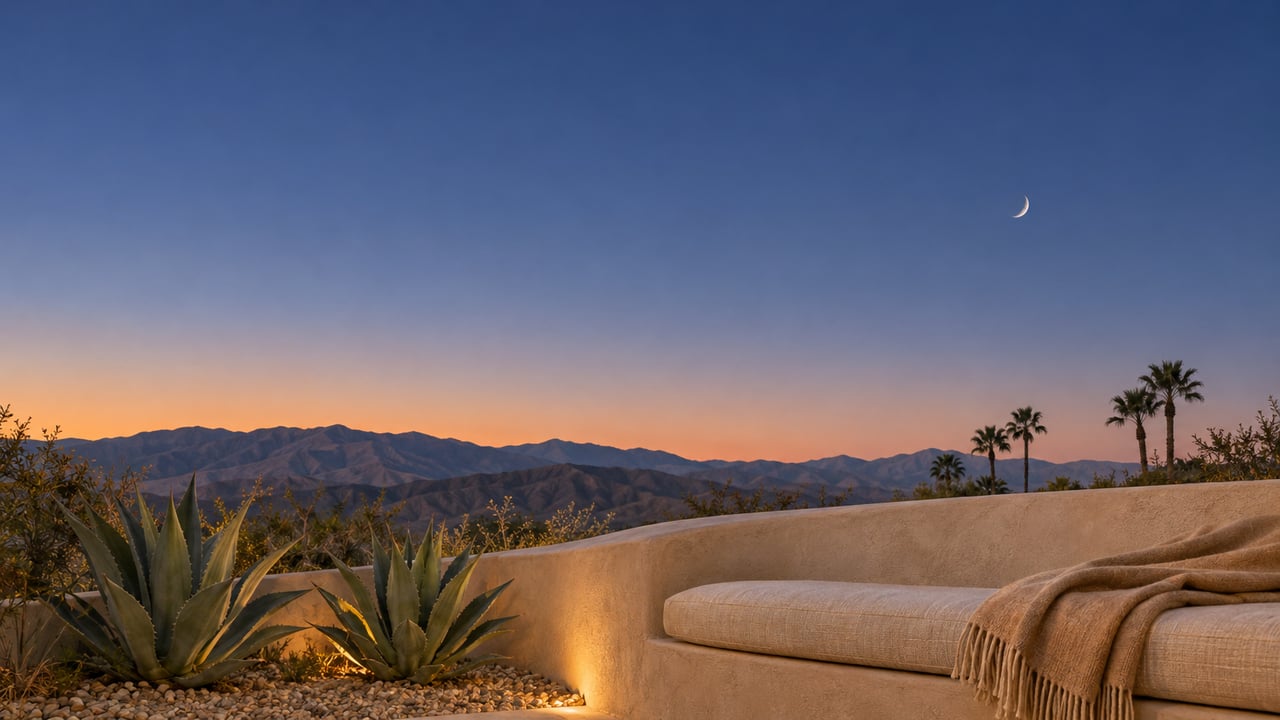
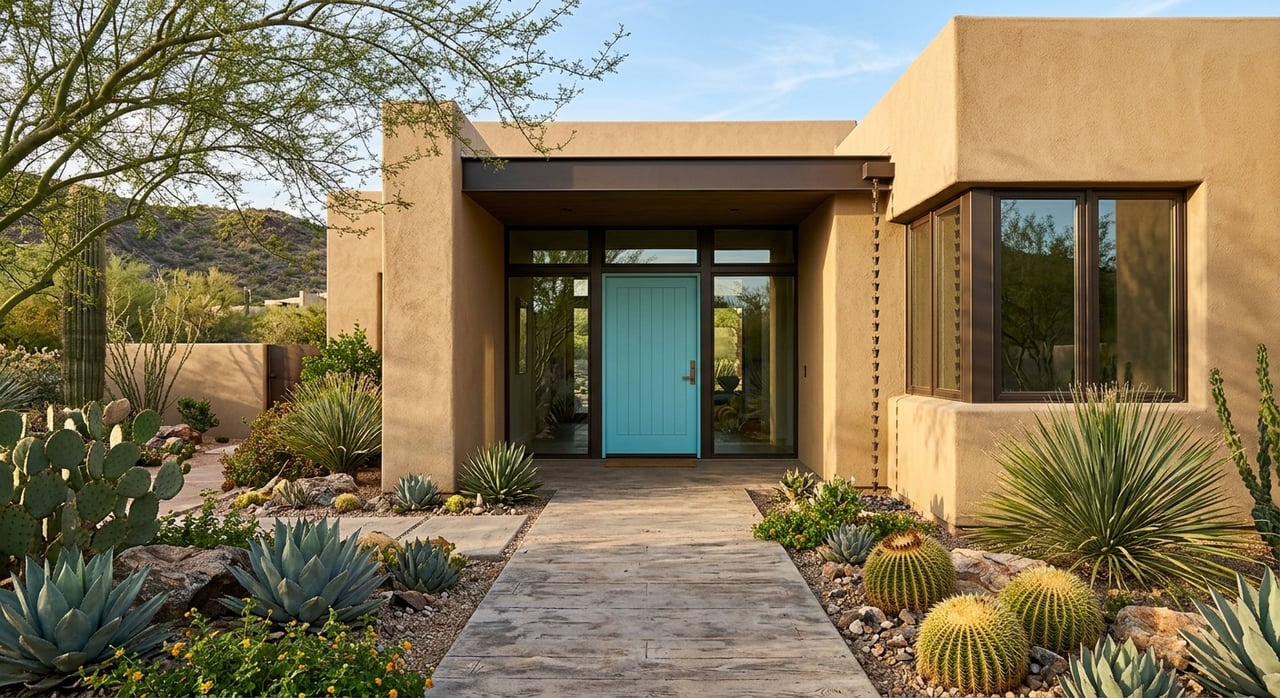
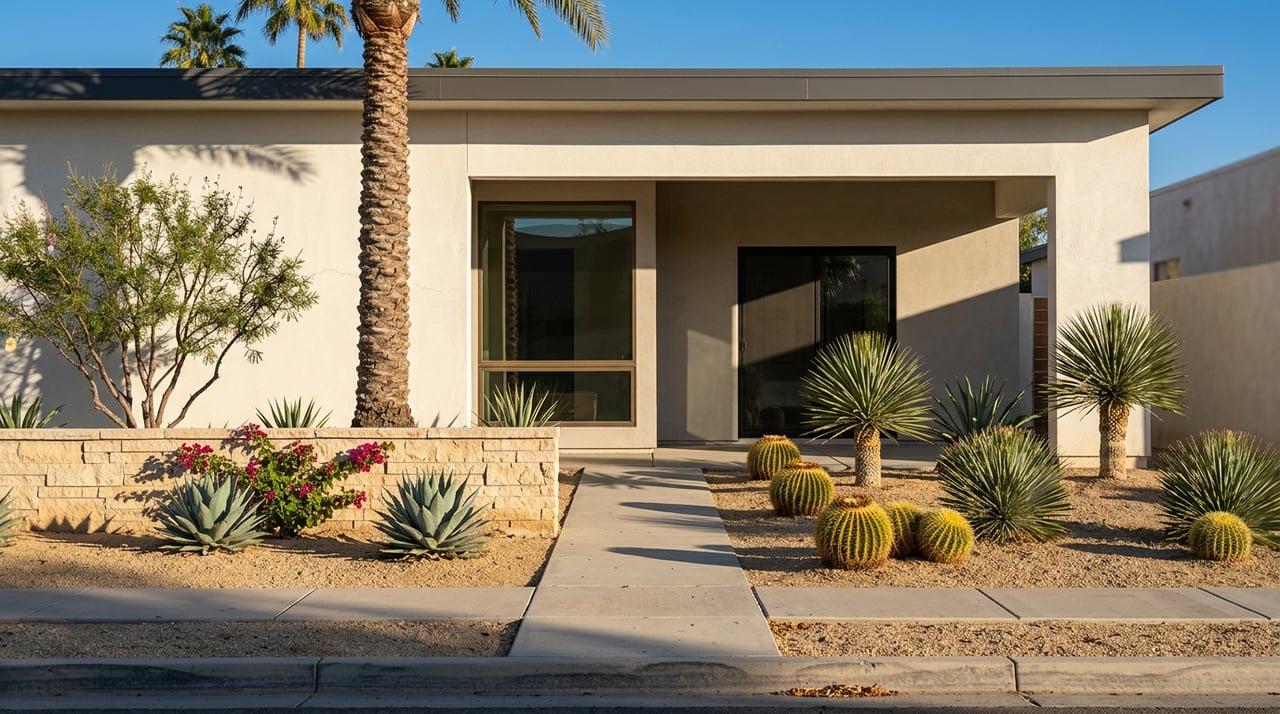
Palm Springs has representative examples from each period of development, with a notably strong collection of Modern architecture built after World War II. The city’s historic context statement makes clear that architecture is central to how many local homes are understood and appreciated, especially mid-century properties shaped by desert climate, new building technologies, and efficient postwar design.
That matters when you sell. Buyers looking at a historic or mid-century home in Palm Springs are often responding to more than finishes or updates. They are paying attention to design lineage, original character, and whether the home still reflects the features that define its era.
The city’s broader preservation goals support that mindset. Palm Springs’ general plan calls for preserving architectural quality, supporting historic districts, and using tools such as the Mills Act to preserve historic resources. In other words, your home’s story is not a side note. It is often part of the main value proposition.
What buyers want to know first
When a buyer sees a Palm Springs architectural home come to market, they usually want specific facts right away. They want to know if the property is officially historic, whether it sits in a district, what original features remain, and how any updates were handled.
That is why generic listing language tends to fall flat. Phrases like “beautifully remodeled” or “tastefully updated” can sound polished, but they do not give buyers the clarity they need when they are evaluating a home with architectural significance.
A stronger approach is to present the home as a documented asset. That means leading with facts, context, and visible design details that help buyers understand exactly what makes the property special.
What to highlight in the listing
A strong listing for a historic or mid-century home in Palm Springs should clearly identify the basics of the home’s architectural identity. The research from the city points to several details that should be front and center.
Start with provenance
If known, include the year built, the architect or designer, and the home’s period of significance. These details help frame the property in a way that resonates with design-minded buyers and out-of-area buyers who may not know the local architectural landscape as well.
Even when you do not have every historical detail, accuracy still matters. It is better to state what is confirmed than to overreach or rely on assumptions.
Name the defining features
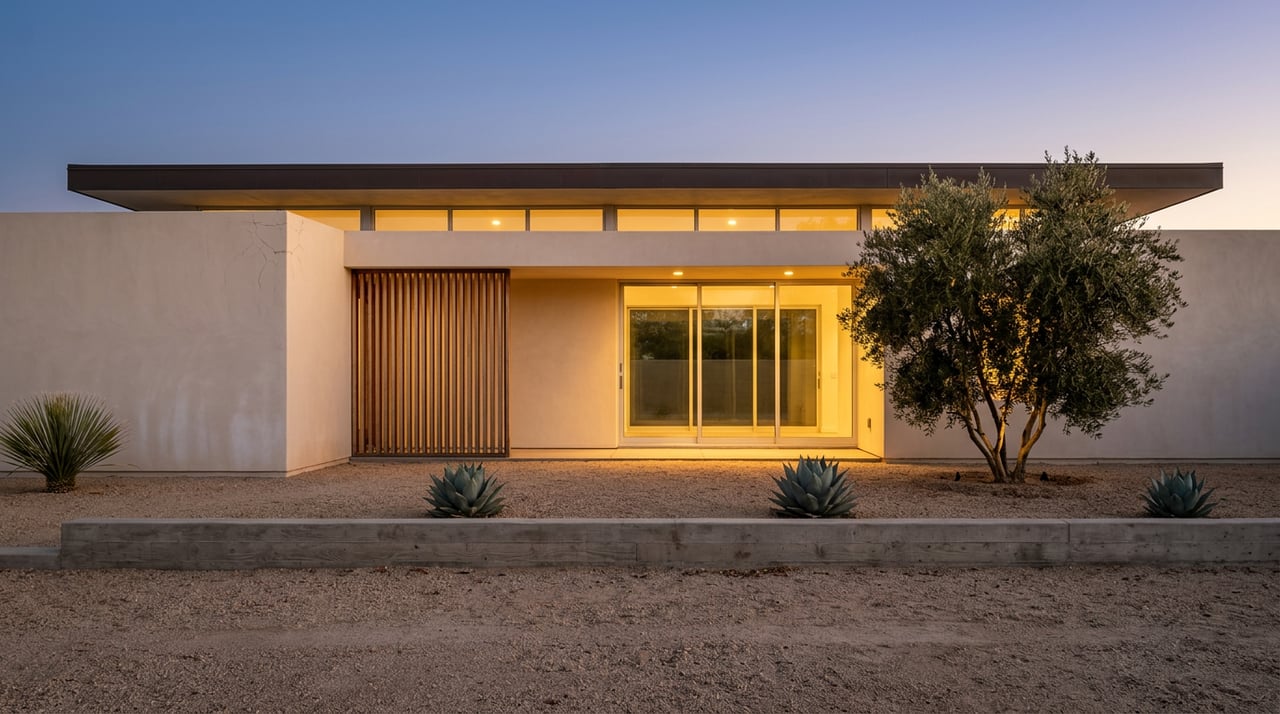
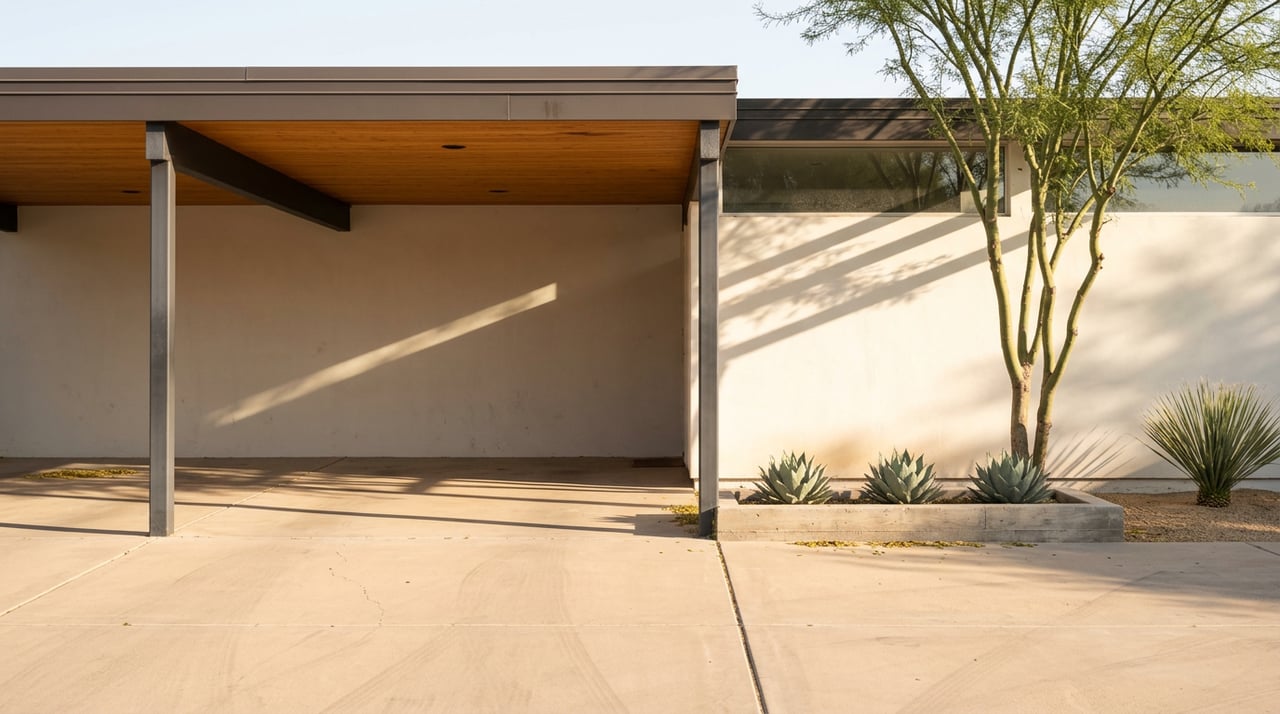
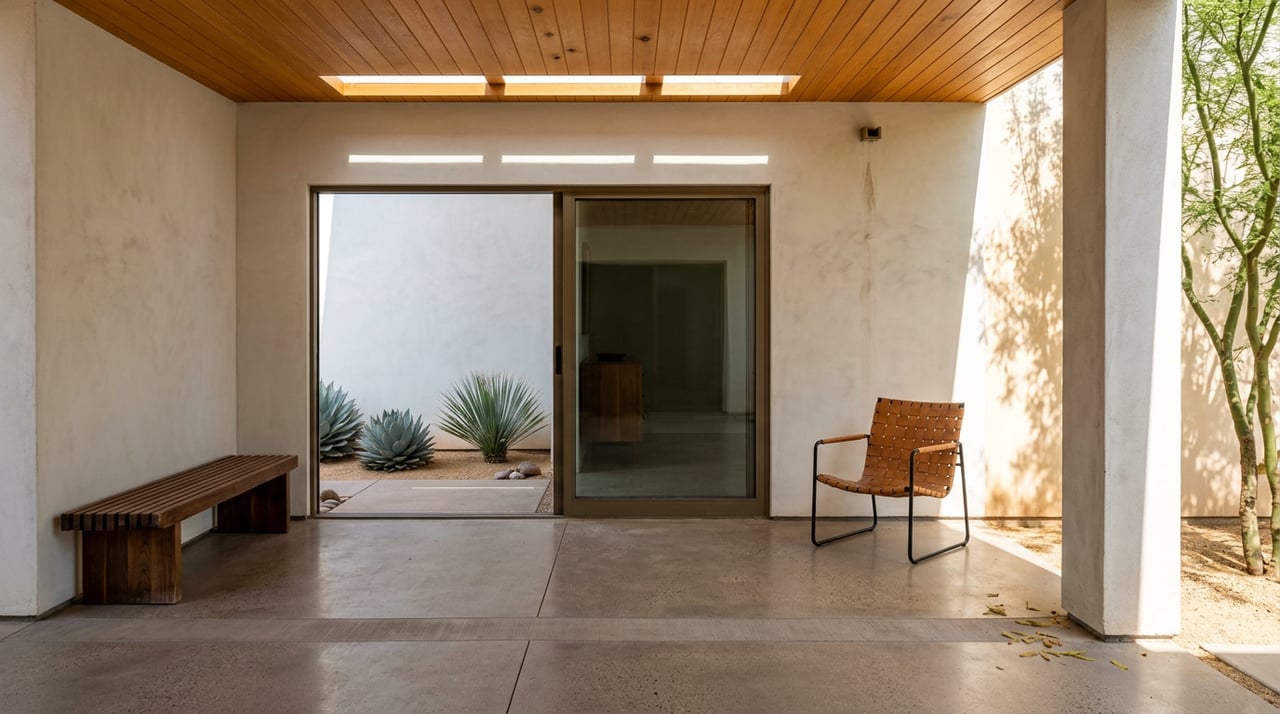
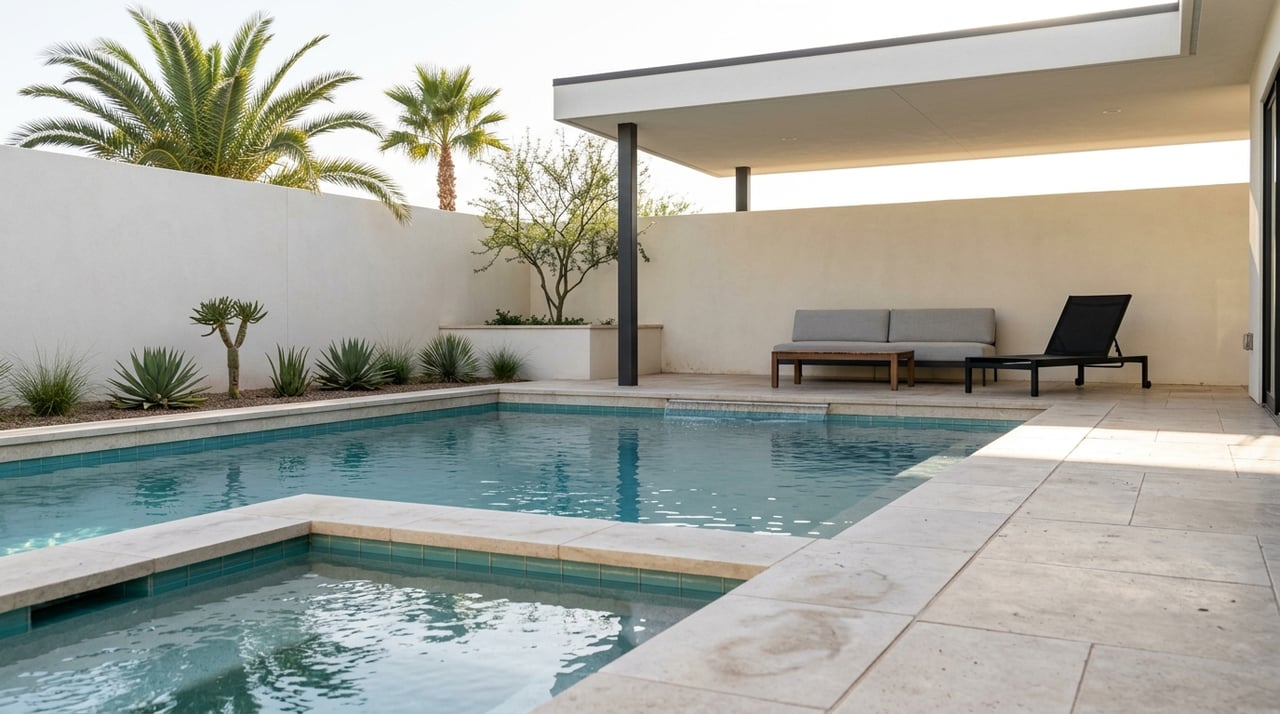
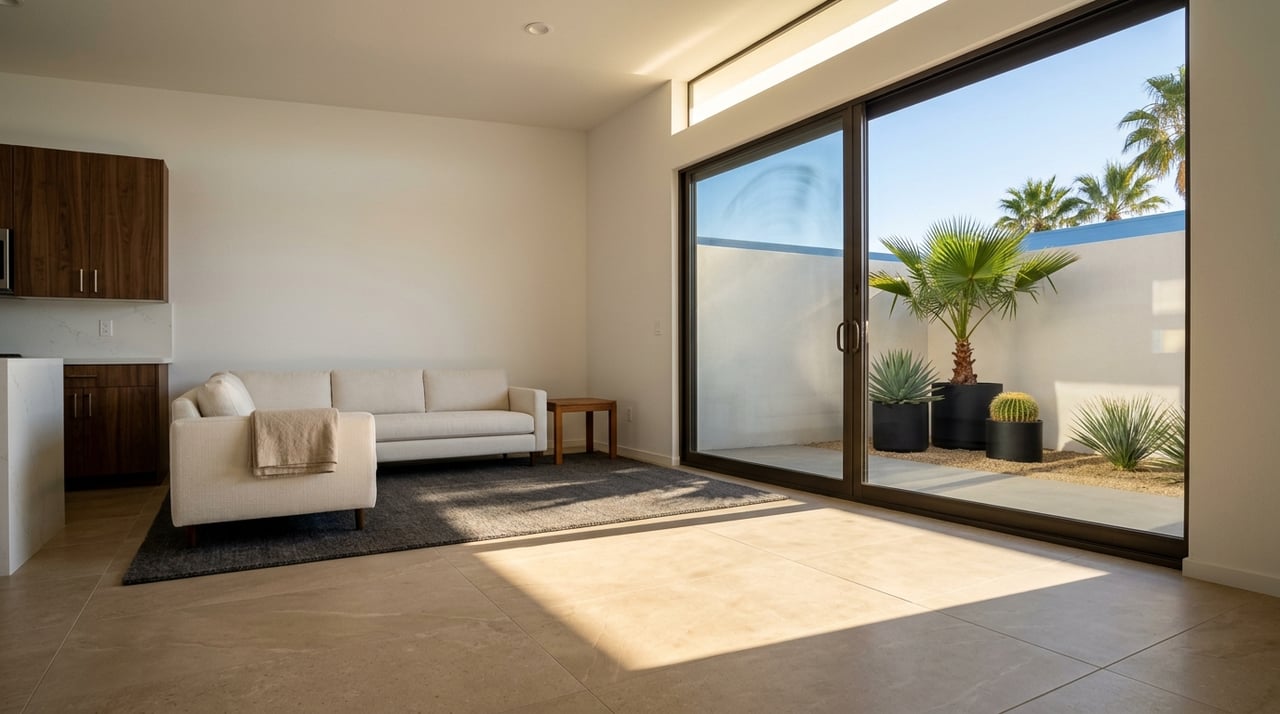
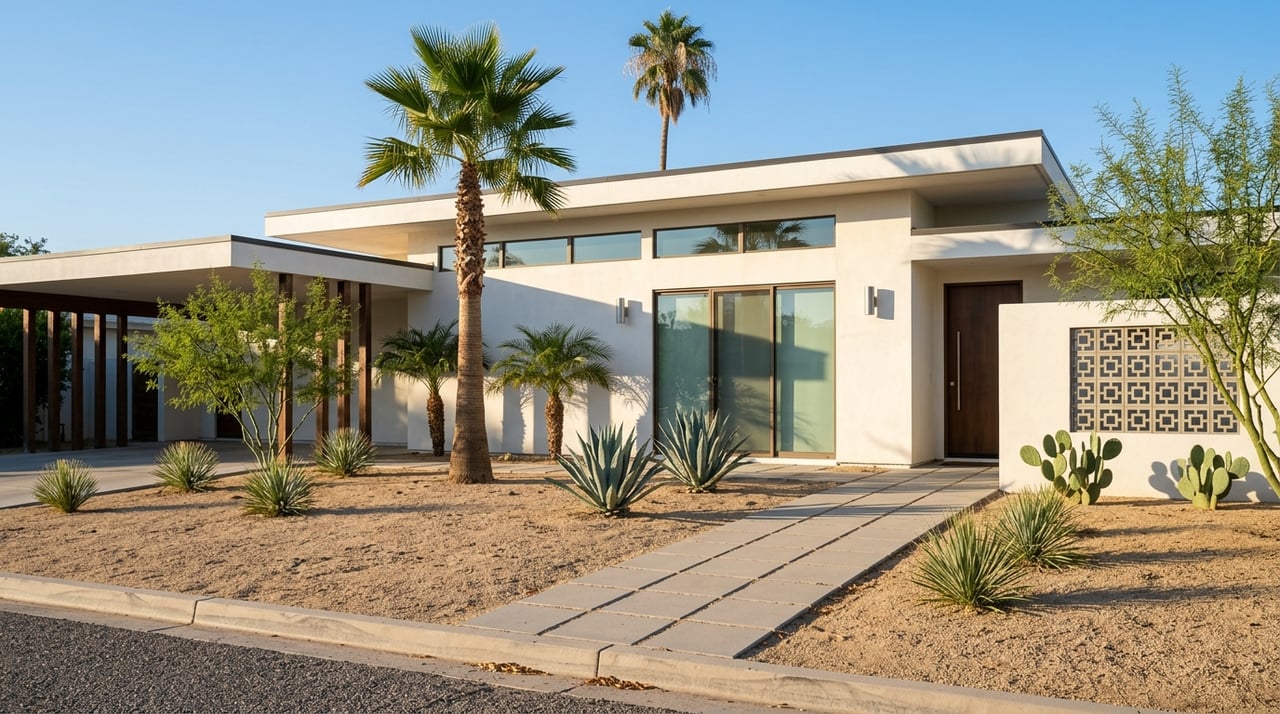
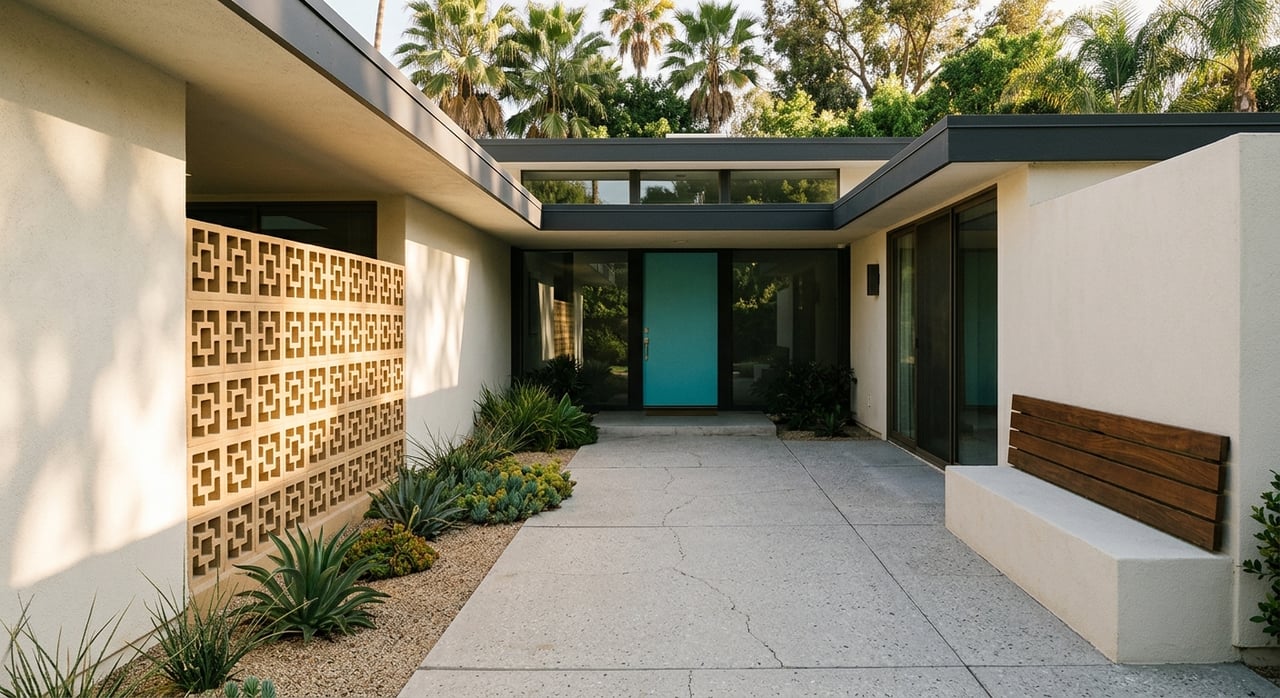
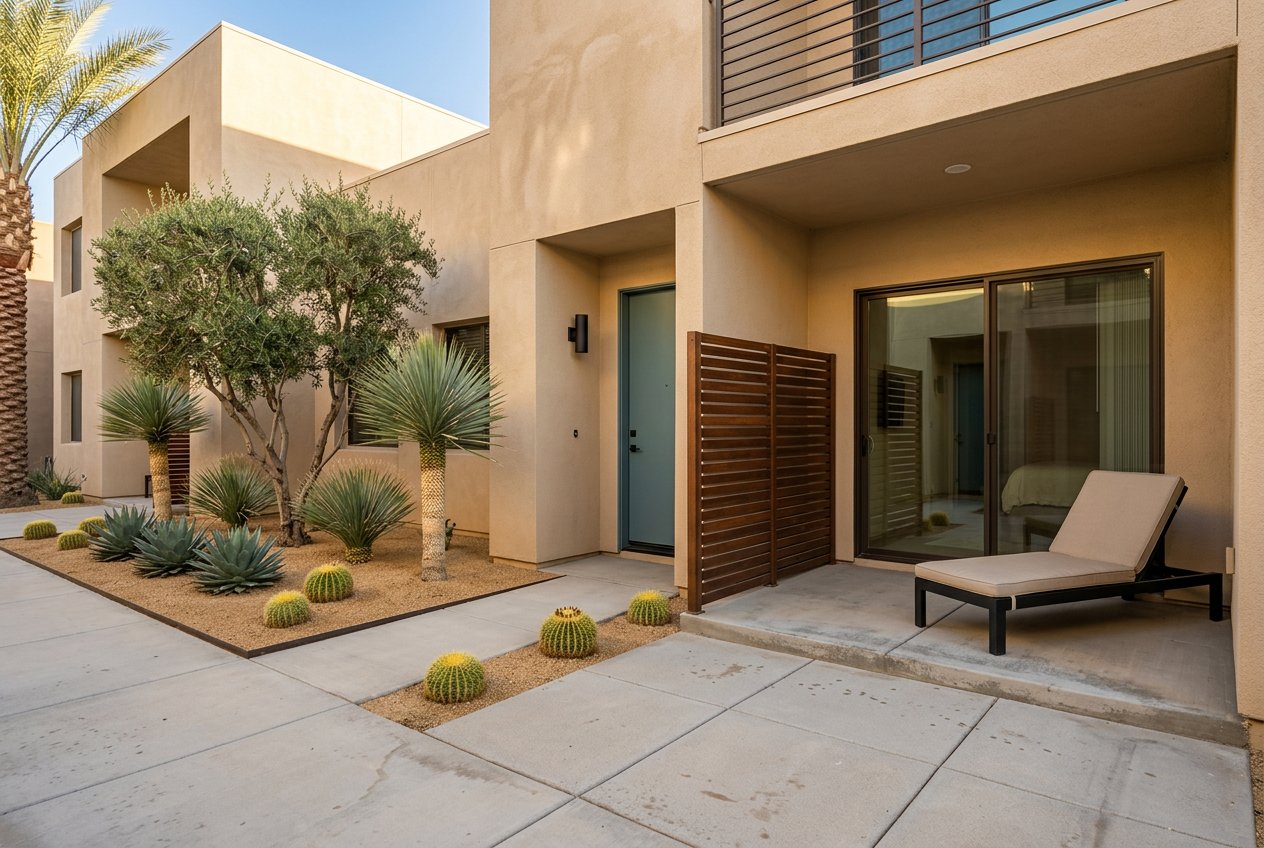
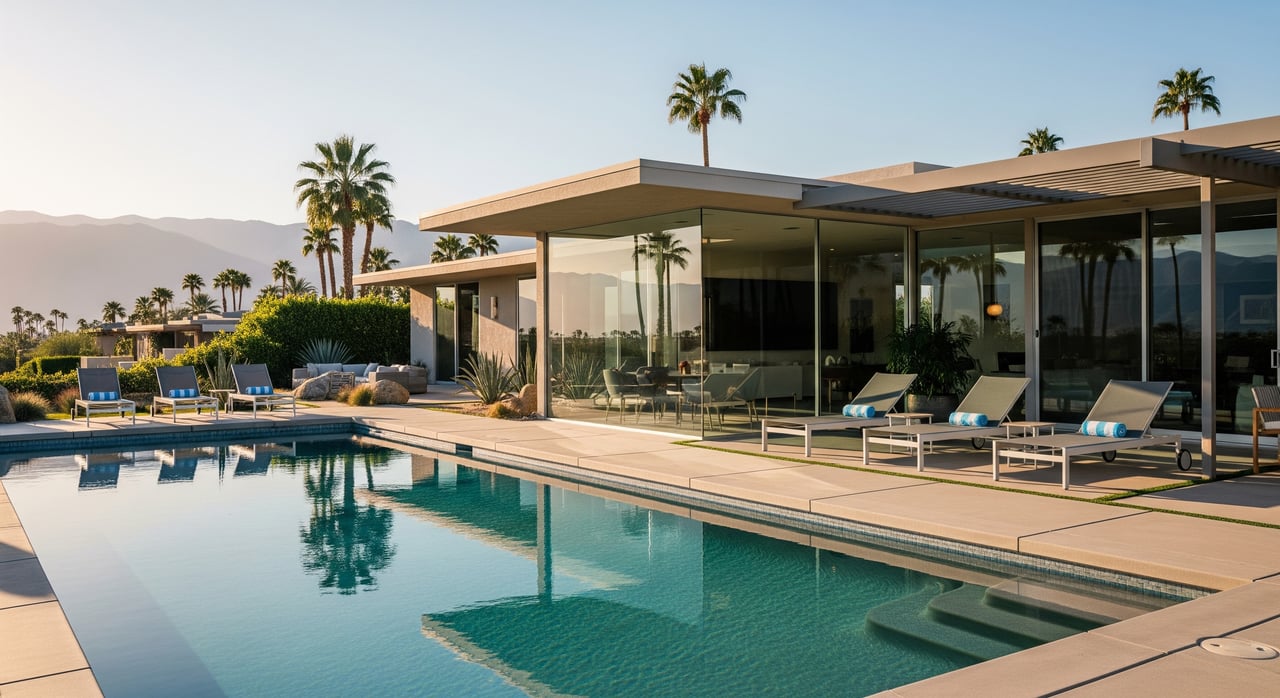
Palm Springs mid-century homes often include features such as:
- Post-and-beam construction
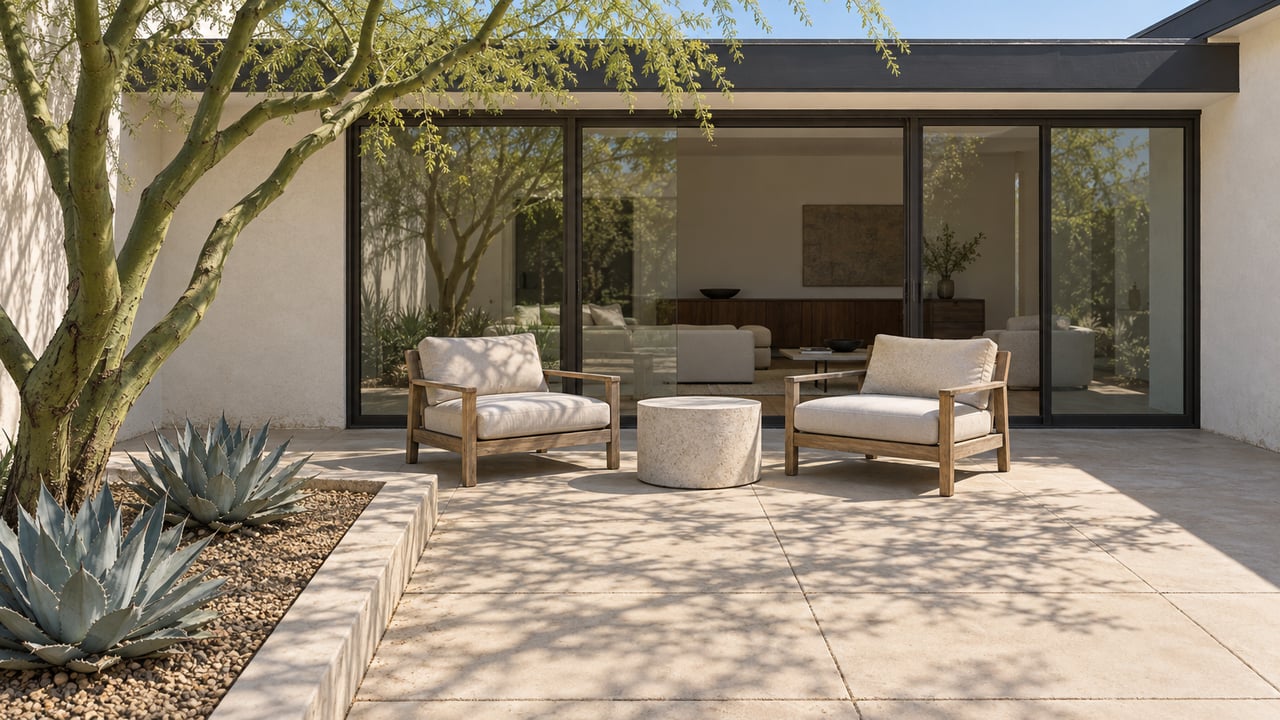
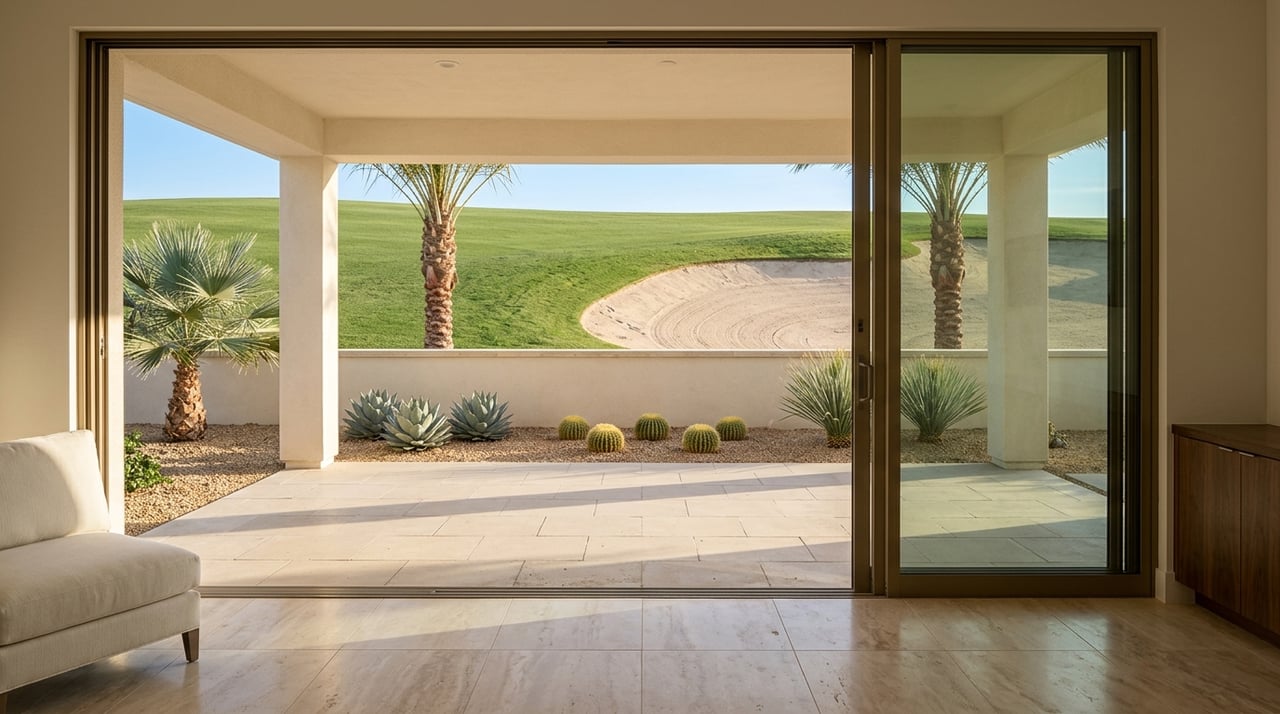
- Large expanses of glass
- Open floor plans
- Flat or low-pitched roofs
- Clerestory windows
- Sliding doors
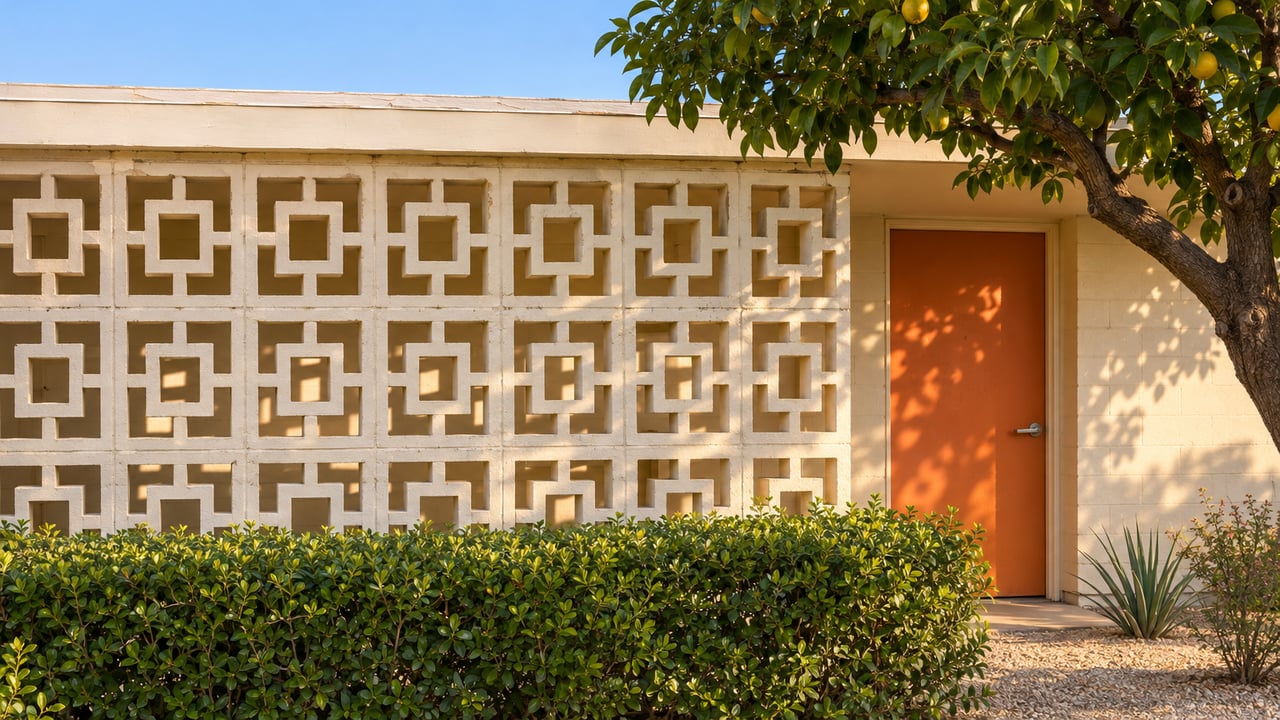
- Exterior screens designed to shade the desert sun
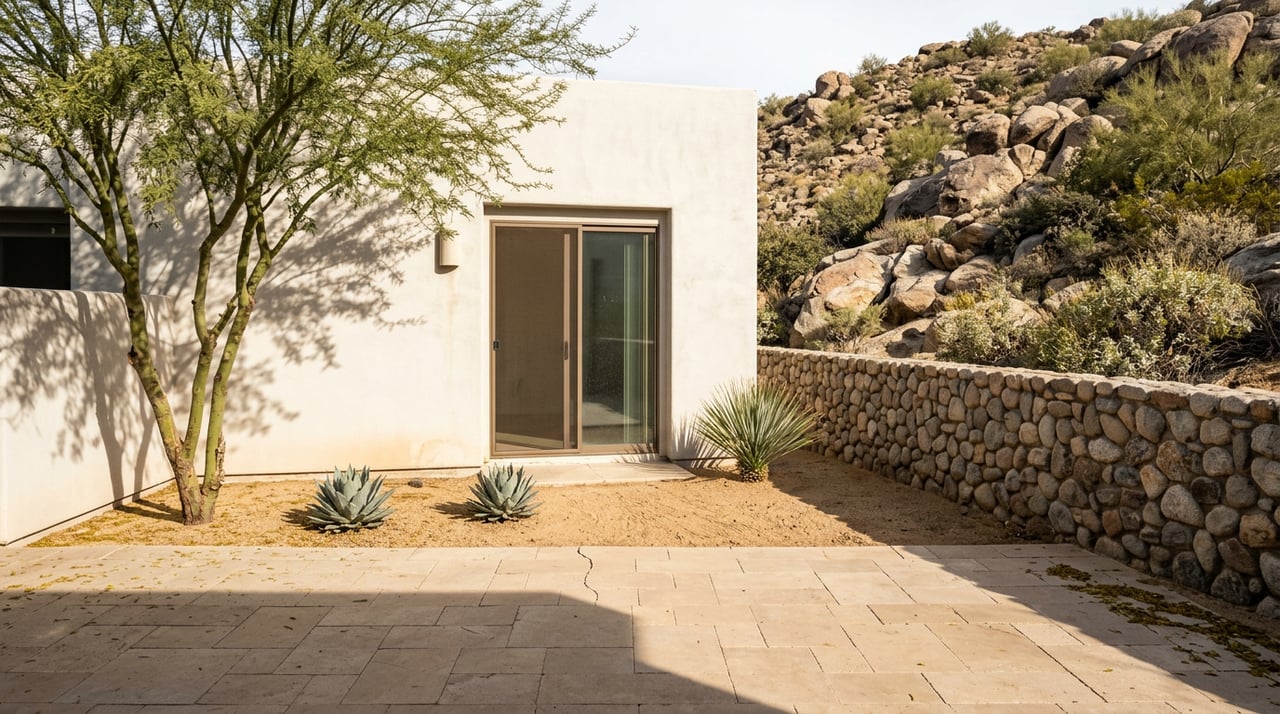
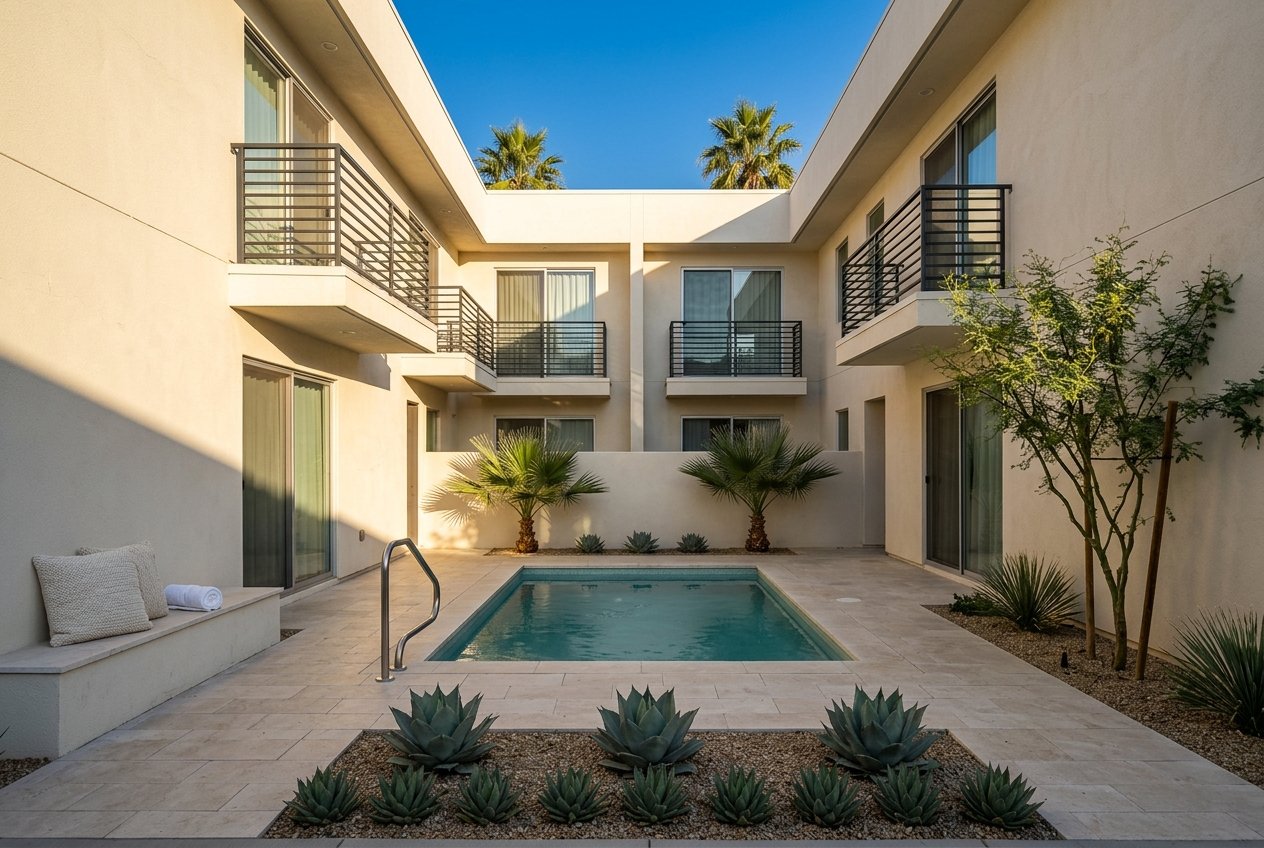
Earlier local styles may emphasize different details, including:
- Plaster walls
- Clay tile roofs
- Courtyards
- Simplified Spanish Colonial details
The key is to describe what is actually present in your home. A buyer should be able to connect the listing language to what they will see in the photos and during a showing.
Be precise about updates
Palm Springs’ preservation framework emphasizes whether a property retains most of a style’s distinguishing features, even if not every original element survives. For sellers, that means precision is more persuasive than broad renovation language.
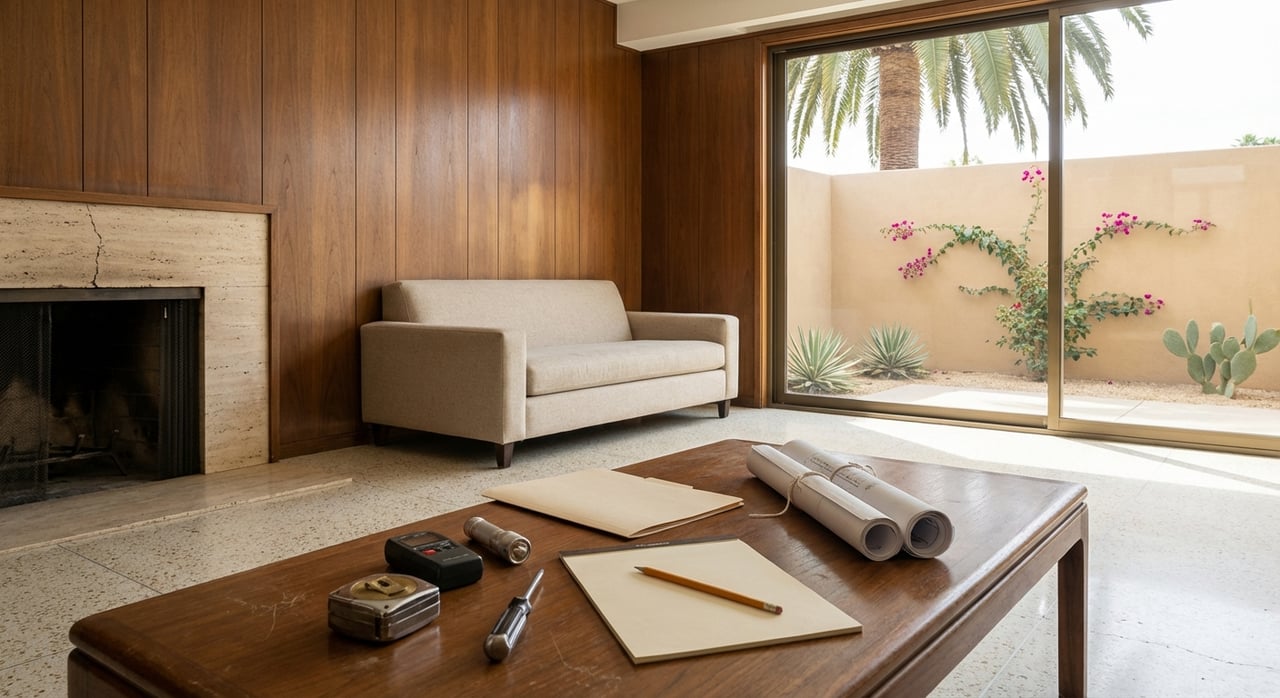
Spell out what is original, what has been restored, and what has been replaced. If a kitchen was updated, say so plainly. If original clerestory windows remain, call that out. If an addition was approved, document it. This kind of specificity builds trust and helps serious buyers evaluate the home with confidence.
Confirm historic status before you market
One of the most important pre-listing steps is confirming how the city classifies the property. Palm Springs recognizes several historic categories, including Class 1 and Class 2 historic sites, Class 3 potentially eligible sites, and Class 4 buildings constructed before January 1, 1978 or with unknown age. The city also identifies historic districts with contributing and non-contributing structures.
This is not just background information. Classification can affect how buyers view the home and what review may be required for future alterations.
Why status affects the sale
For Class 1 and Class 2 properties, and for homes in historic districts, alteration and demolition decisions go through the city’s historic preservation process before permits are issued. A buyer who understands that up front is less likely to be surprised later.
That makes your marketing stronger when it is transparent from the start. If the home is designated, potentially eligible, or part of a district, say so clearly and be ready to share supporting documentation.
Build a complete seller file
Well-prepared architectural listings tend to inspire more buyer confidence. In Palm Springs, a smart seller file can help answer questions quickly and reduce uncertainty during escrow.
Based on the city guidance, your file should include:
- A historic status printout from the city list or survey
- Permit history
- Any Mills Act contract
- Exterior photos
- Approvals for additions or major alterations
The city’s Building Safety Department provides a Building Records Request for public records. That can be especially useful if you need to verify prior work before the listing goes live.
Permits matter more than many sellers expect
Palm Springs notes that many common exterior or systems changes require permits. That includes alterations, replacements, roofing work over 100 square feet, patio covers, and HVAC work.
For a historic or mid-century property, permit questions often come up early. Buyers may ask whether additions were approved, whether systems work was permitted, or whether exterior changes affected historic character. Getting those answers organized before the home hits the market can save time and protect credibility.
Mills Act questions should be addressed early
In Palm Springs, Mills Act status can be a major point of interest for buyers. It can also be a source of confusion if it is not explained carefully.
The city says eligible property types may include Class 1 historic sites, contributing structures in historic districts, sites listed on the National Register of Historic Places, and some Class 2 sites where the historic resource still exists. Mills Act contracts run with the land, have a 10-year term with automatic annual renewal, and are inspected every five years.
Explain benefits and obligations clearly
Palm Springs states that tax reductions of 40% to 60% may be possible in some cases, with valuation set by the County of Riverside Tax Assessor under state guidelines. Because savings vary and the valuation method is specialized, buyers should be encouraged to consult the County Assessor and a tax professional.
Just as important, sellers should be ready to explain that a Mills Act contract comes with ongoing obligations. If a contract exists, your marketing should not treat it as a simple tax perk. It should present it as part of the home’s ownership framework.
Clean up issues before listing
The city’s Mills Act application checklist requires materials such as an owner request letter, grant deed, exterior photos, a scaled site plan, and a capital improvements, restoration, and maintenance plan. The city also states that properties with active code enforcement violations or non-permitted structures are not eligible.
That makes pre-listing cleanup essential. If there are unresolved permit issues or unapproved structures, it is far better to identify them early than to let them surface during buyer diligence.
Tell the story without overselling
Palm Springs rewards story-driven marketing, but the story has to be factual. The best architectural listings combine visual appeal with documentation, so the buyer feels both inspired and informed.
That balance matters in a market where many buyers are drawn to provenance. Public interest in local design, including the city’s strong association with mid-century architecture and events like Modernism Week, shows that architecture remains part of Palm Springs’ identity. Still, interest alone is not enough. Your listing should connect that excitement to verifiable facts about the property itself.
Use language that respects the home
A strong architectural listing often does three things well:
- It identifies the home’s era and context
- It names the features that define the design
- It explains updates with clarity
That approach helps your home stand apart from standard listings. It also signals to serious buyers that the property has been marketed with care, not just styled for attention.
Why presentation and process must work together
A beautiful historic or mid-century home deserves exceptional presentation, but polished photography alone is not enough. In Palm Springs, the most successful marketing strategy usually combines strong visuals with disciplined preparation.
That means pairing design-forward storytelling with careful transaction management. When provenance, permits, historic status, and Mills Act details are organized from the beginning, you create a more confident buyer experience and a more credible listing.
For sellers, that can translate into fewer surprises, better conversations with buyers, and a marketing message that feels both elevated and trustworthy.
If you are preparing to sell a historic or mid-century home in Palm Springs, thoughtful guidance can make a meaningful difference. Roger Gendron brings a boutique, historically informed approach to pricing, presentation, and transaction management so your home’s story is told with clarity and care.
FAQs
What should a Palm Springs historic home listing include?
- A strong Palm Springs historic home listing should include the year built, architect or designer if known, period of significance, historic classification if applicable, and the character-defining features that remain intact.
How do you verify historic status for a Palm Springs property?
- You can verify Palm Springs historic status by checking the city’s historic property classifications and district information, which include Class 1, Class 2, Class 3, Class 4, and contributing or non-contributing district status.
Why do permits matter when selling a mid-century home in Palm Springs?
- Permits matter because buyers often ask whether additions, exterior changes, roofing, patio covers, HVAC work, or other alterations were properly approved, especially when a home has architectural or historic significance.
What original features add value in a Palm Springs mid-century home?
- Features often highlighted in Palm Springs mid-century homes include post-and-beam structure, large expanses of glass, open plans, flat or low-pitched roofs, clerestory windows, sliding doors, and shading screens designed for the desert climate.
How does a Mills Act contract affect a Palm Springs home sale?
- A Mills Act contract can affect a Palm Springs sale because it runs with the land, may offer property tax reduction in some cases, includes inspection and maintenance obligations, and can shape how buyers evaluate long-term ownership.
What buyer questions come up most with Palm Springs architectural homes?
- Buyers commonly ask whether the property is officially historic or in a district, what original features remain, whether there are unpermitted additions, whether a Mills Act contract exists, and what changes may require city review.