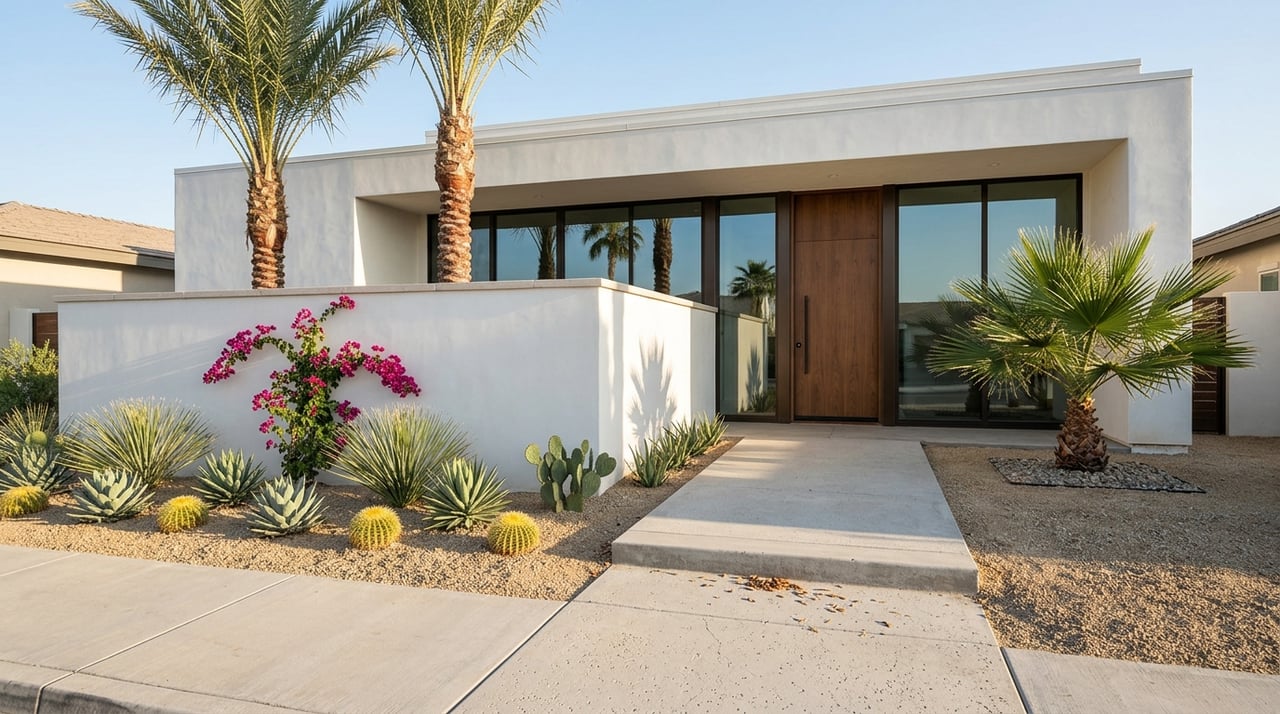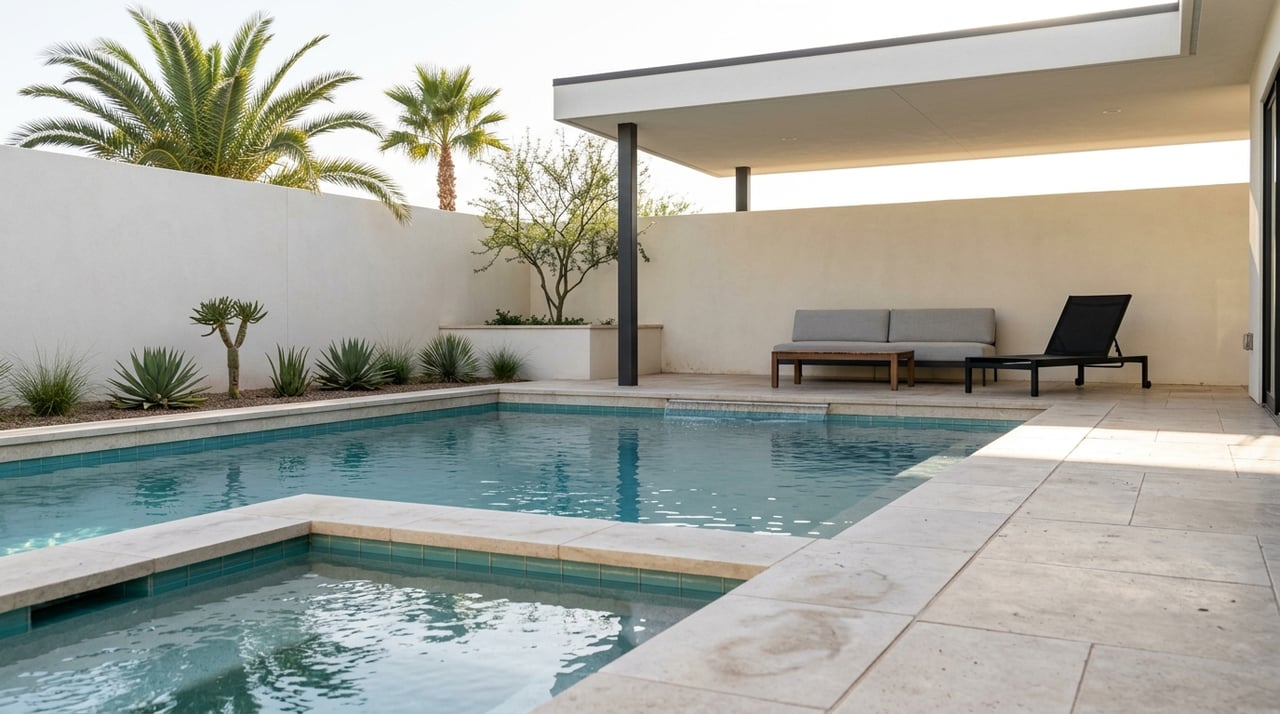
Trying to choose between Indian Wells and La Quinta? If you are comparing desert homes, you are really comparing two different ways to live in the Coachella Valley. One leans smaller, more private, and more club-centered, while the other gives you more variety, a larger community, and a wider range of price points. This guide will help you sort through the differences so you can decide which town better fits your lifestyle, budget, and plans. Let’s dive in.
Indian Wells vs. La Quinta at a Glance
If you want a quick summary, here is the core difference. Indian Wells is the more private, gated, and resort-club-oriented option. La Quinta is larger, more mixed in feel, and offers a broader range of housing and ownership styles.
Indian Wells has about 5,025 full-time residents, and the city says another 5,000 to 6,000 part-time residents arrive during the winter season. La Quinta is much larger, with 37,846 full-time residents and more than 12,000 part-time residents staying through winter and spring. That difference shapes everything from neighborhood feel to housing choice.
Indian Wells Lifestyle
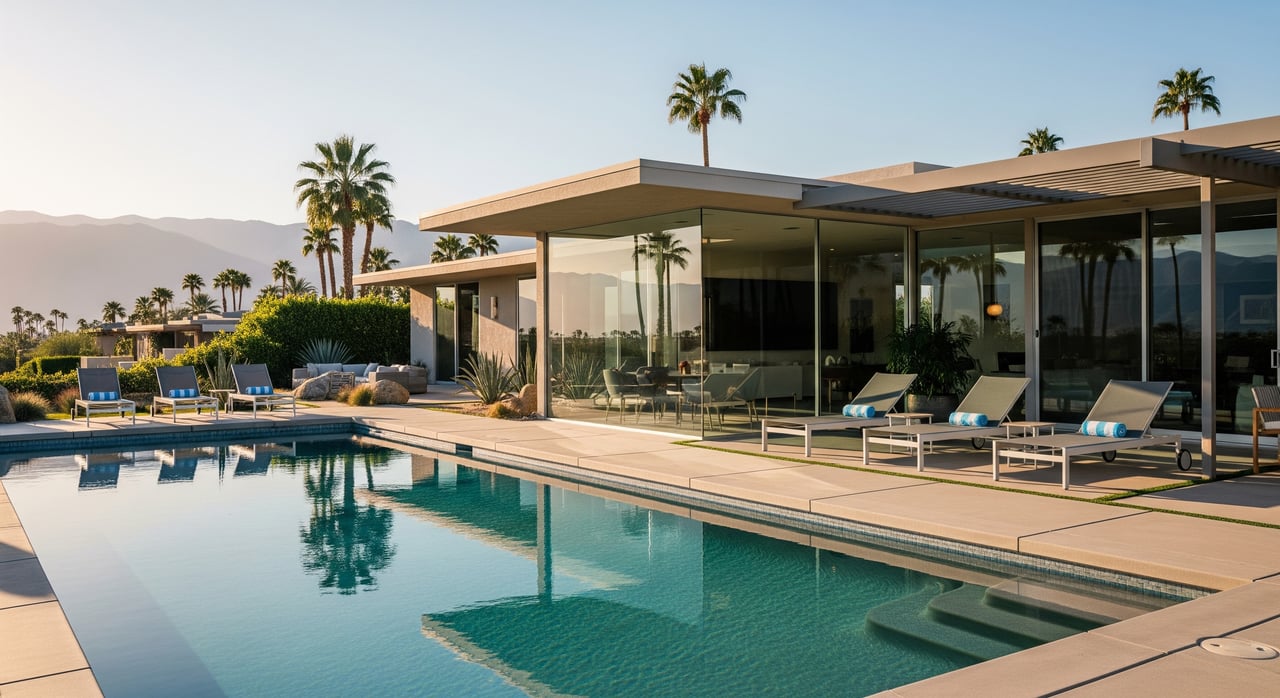
Indian Wells tends to appeal to buyers who want a quieter setting with a strong country club and resort identity. The city says nearly 90% of its neighborhoods are gated, including seven private country clubs. That creates a more contained, private day-to-day experience.
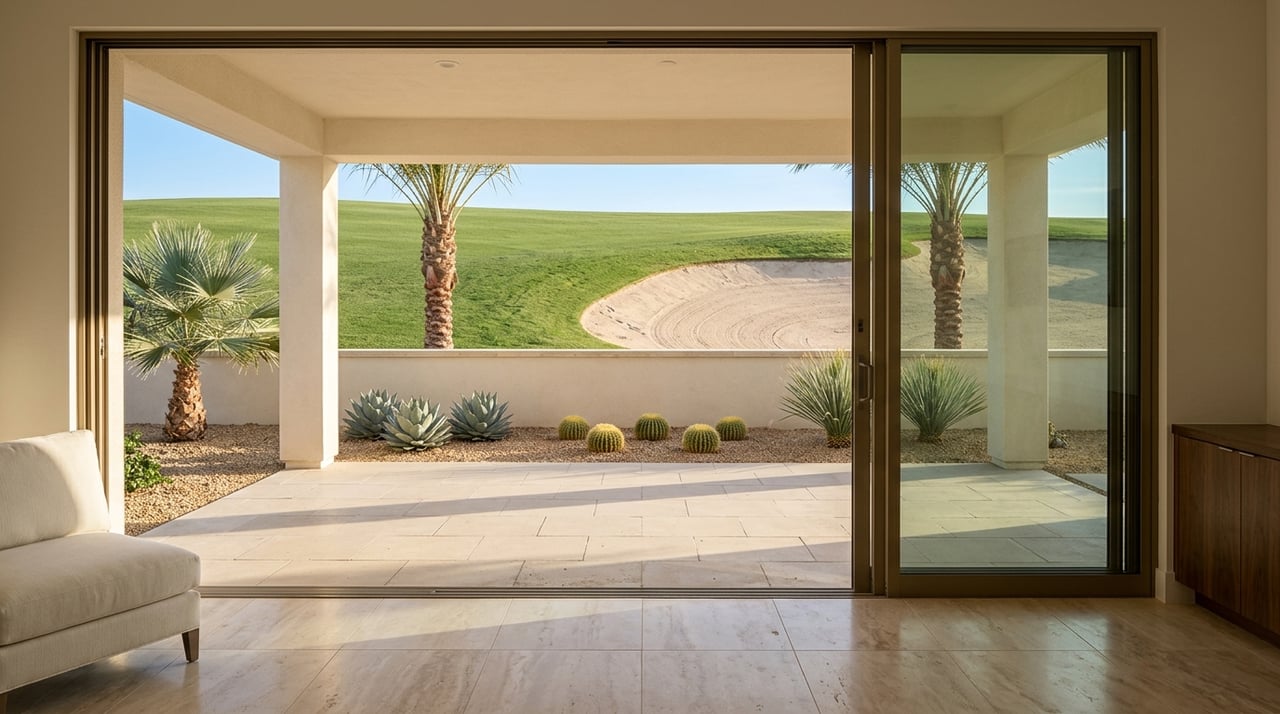
If you picture desert living as golf in the morning, tennis in the afternoon, and a polished club atmosphere throughout the season, Indian Wells often fits that vision well. The city-owned Indian Wells Golf Resort offers 36 holes and a large clubhouse, and the Indian Wells Tennis Garden is one of the valley’s best-known sports venues. It opened in 2000, includes 29 regulation hard courts, and hosts the BNP Paribas Open.
For many buyers, that lifestyle is the draw. You are not just buying a home. You are choosing a more defined resort rhythm with a strong seasonal identity.
La Quinta Lifestyle
La Quinta offers a broader mix of experiences. It still has a strong resort and golf presence, but it feels less singular than Indian Wells. In practical terms, that means you may find more variety in neighborhoods, ownership structures, and daily routines.
The city describes itself as having a wider variety of housing options, and that is an important distinction if you want flexibility. La Quinta Resort & Club highlights a long list of amenities, including 42 pools, 53 hot spas, tennis, pickleball, and five championship golf courses. PGA WEST adds another layer, with nine courses plus member access to dining, events, and a sports club.
For buyers who want a larger menu of resort experiences and a bigger year-round community, La Quinta often feels more layered. It can be a strong fit if you want options rather than one dominant lifestyle pattern.
Home Prices and Market Pace
Price is often one of the biggest deciding factors, and right now the gap is meaningful. In March 2026, Redfin reported a median sale price of $1.399 million in Indian Wells compared with $838,500 in La Quinta.
That does not mean La Quinta is always the better value or Indian Wells is always out of reach. It means your budget may stretch differently depending on the town and the type of property you want. If you are focused on entry price and selection, La Quinta may give you more room to work with.
The pace of the market also differs. Indian Wells had a median 48 days on market and a 94.7% sale-to-list ratio, while La Quinta had a median 79 days on market and was described as not very competitive. If you are buying, that may mean more negotiating room in some parts of La Quinta. If you are selling, it may shape pricing strategy and timing.
Gated Living and HOA Expectations
If community structure matters to you, this is one of the clearest differences between the two towns. Indian Wells is strongly tied to gated neighborhoods and country club environments. With that often comes a greater likelihood of HOA rules, club rules, and community restrictions that shape everyday ownership.
Some buyers see that as a benefit. A more structured environment can support a consistent look, controlled access, and a resort-style atmosphere. Others prefer more flexibility and fewer layers of rules.
La Quinta also has many HOA communities, but it offers a broader mix. The city’s short-term vacation rental permit list includes both gated neighborhoods and non-gated or no-HOA areas such as La Quinta Del Oro and Montero Estates. That suggests more ownership styles and fewer one-size-fits-all expectations across the city.
Seasonal Living and Part-Time Use
Both Indian Wells and La Quinta are seasonal markets, especially during winter and spring. Still, the way that seasonality shows up is a bit different.
Indian Wells is more concentrated as a winter-spring retreat. The city says 5,000 to 6,000 part-time residents arrive from January through April, and the residential experience is closely tied to country club and resort usage. If you are looking for a second-home environment with a strong seasonal rhythm, that can be very appealing.
La Quinta also has strong seasonality, but on a larger scale. With more than 12,000 part-time residents in winter and spring, it combines seasonal demand with a larger full-time population and more tourism, retail, and event activity. If you like a livelier mix of full-time and seasonal energy, La Quinta may feel like the better match.
Rental Rules and Investment Considerations
If you are thinking about seasonal leasing or vacation rental use, local rules matter. This is one area where the towns differ in a meaningful way.
Indian Wells limits new short-term rental licenses to a 29-night minimum throughout the year, with a 7-night minimum only around the tennis tournament. The city also requires quarterly transient occupancy tax remittance at 12.25% and enforces a 10 p.m. to 7 a.m. noise restriction. In practice, Indian Wells is usually a better fit for month-plus seasonal leasing than for traditional short vacation stays.
La Quinta has a much larger short-term vacation rental ecosystem. The city reported 1,215 active STVR permits as of December 31, 2025. At the same time, it has a permanent ban on new General and Primary STVR permits except in exempt areas.
That means La Quinta can be attractive if you are buying in a development where short-term rental activity is already established and allowed by both city rules and the HOA. If rental flexibility is central to your plan, it is worth reviewing the property-specific rules very carefully before you buy.
Convenience and Drive Times
When you are choosing a desert home, location is not just about the address. It is also about how easily you can reach the places you will use most.
Indian Wells has a slight edge for airport access and quick trips to Palm Desert. Off-peak drive times put Palm Springs International Airport at about 28 minutes from Indian Wells versus about 37 minutes from La Quinta. Indian Wells is also about 6 minutes from Palm Desert, while La Quinta is about 18 minutes away.
That can matter if you expect frequent airport pickups, regular shopping and dining on El Paseo, or easy access to Palm Desert services. Indian Wells is also about 34 minutes from Palm Springs proper, compared with about 40 minutes from La Quinta.
For access to the festival corridor, the difference is small. Indian Wells is about 18 minutes from Indio and Empire Polo Club, while La Quinta is about 19 minutes away under off-peak conditions. Traffic can change significantly during major events, so these numbers are best used for general planning.
Which Town Fits You Best?
The best choice depends on what you want your desert life to feel like day to day. If you value privacy, a smaller community, and a club-centered setting, Indian Wells may feel more aligned. It is especially compelling if you want a gated environment, strong tennis and golf prestige, and a more controlled seasonal-rental structure.
If you want a broader range of homes, a lower price floor, and a larger community with more varied ownership styles, La Quinta may be the better fit. It can also make sense if you are exploring properties with established short-term rental potential in eligible areas.
A simple way to think about it is this:
- Choose Indian Wells if you want privacy, club culture, gated neighborhoods, and easier access to Palm Desert and the airport.
- Choose La Quinta if you want more housing variety, a wider pricing spectrum, and a larger seasonal-rental ecosystem.
A Smart Way to Narrow Your Search
When two desert towns both look appealing, the answer usually comes down to how you plan to use the property. Are you buying a full-time residence, a lock-and-leave second home, or a seasonal investment? Do you want resort structure and predictability, or more flexibility and variety?
Those questions can quickly narrow the field. Once you identify your real priorities, whether that is budget, privacy, leasing potential, or day-to-day convenience, the right town tends to become much clearer.
If you are weighing Indian Wells against La Quinta, working with a local advisor can help you compare not just the towns, but the specific communities, HOA conditions, and leasing rules that shape the ownership experience. If you are ready to talk through your options, Roger Gendron can help you find the desert fit that makes sense for your next chapter.
FAQs
What is the main difference between Indian Wells and La Quinta?
- Indian Wells is generally smaller, more gated, and more club-centered, while La Quinta is larger and offers more housing variety and ownership styles.
Is Indian Wells more expensive than La Quinta?
- Yes. In March 2026, the median sale price reported was $1.399 million in Indian Wells versus $838,500 in La Quinta.
Does Indian Wells have more gated communities than La Quinta?
- Indian Wells says nearly 90% of its neighborhoods are gated, which is a defining part of its character. La Quinta includes many gated communities too, but it has a broader mix that also includes some non-gated and no-HOA areas.
Which desert town is better for seasonal rentals, Indian Wells or La Quinta?
- Indian Wells is usually better suited to month-plus seasonal leasing because new short-term rental licenses require a 29-night minimum for most of the year. La Quinta has a larger existing STVR ecosystem, but permit rules and HOA rules must be reviewed property by property.
Is Indian Wells or La Quinta closer to Palm Springs Airport?
- Indian Wells is closer based on off-peak drive times, at about 28 minutes to Palm Springs International Airport compared with about 37 minutes from La Quinta.
Which desert town is closer to Palm Desert and El Paseo?
- Indian Wells is closer, with an off-peak drive of about 6 minutes to Palm Desert, while La Quinta is about 18 minutes away.
Is La Quinta better if you want more housing options?
- Yes. The city describes La Quinta as having a wider variety of housing options, which can be helpful if you want more choice in price point, community style, or ownership structure.