Palm Desert caps its Mills Act program at seven new contracts a year and uses a lottery when applications exceed that. In December 2025, the City Council considered two. The city had 49 participating properties at that point, and the previous approvals dated to December 2024. Applications ran well below the cap.
This fall, the city found out how much supply it actually has. Its first citywide historic resources survey, prepared by Architectural Resources Group and dated September 25, 2026, covered properties built through 1980. It found 134 individual properties, five historic districts and three non-building resources that appear eligible for local designation. Before the survey, Palm Desert had 11 designated landmarks and 15 historic districts, with two more district designations pending. The list of places that could someday join the program has grown several times over.
The Survey and the City Council
The Palm Desert Post reported that the city's Historic Preservation Committee voted unanimously on October 28 to recommend that the City Council accept the survey. If the council accepts it, the eligible properties go onto the city's informational Palm Desert Inventory and not the official Palm Desert Register. The city staff report says acceptance "does not, by itself, designate any properties as historic landmarks or districts or amend the City's Historic Resources Register."
The city's historic preservation page calls designation "a voluntary process."
The Five Districts the Survey Found
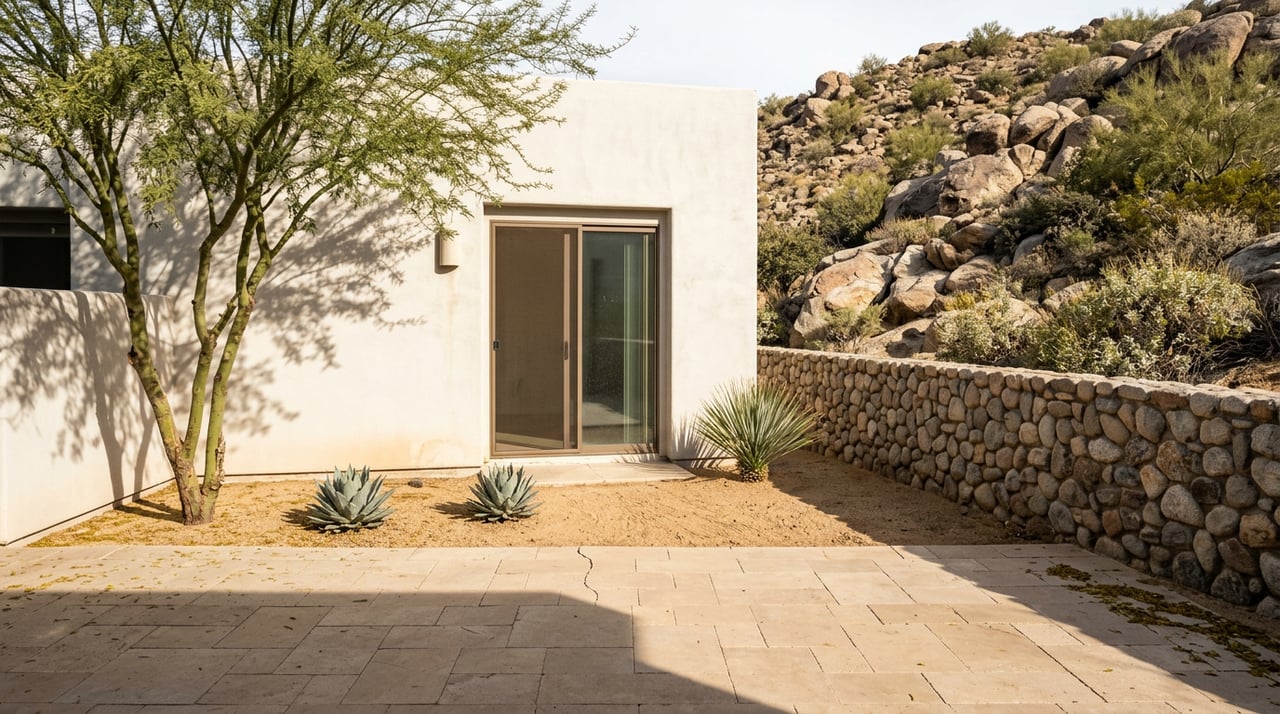
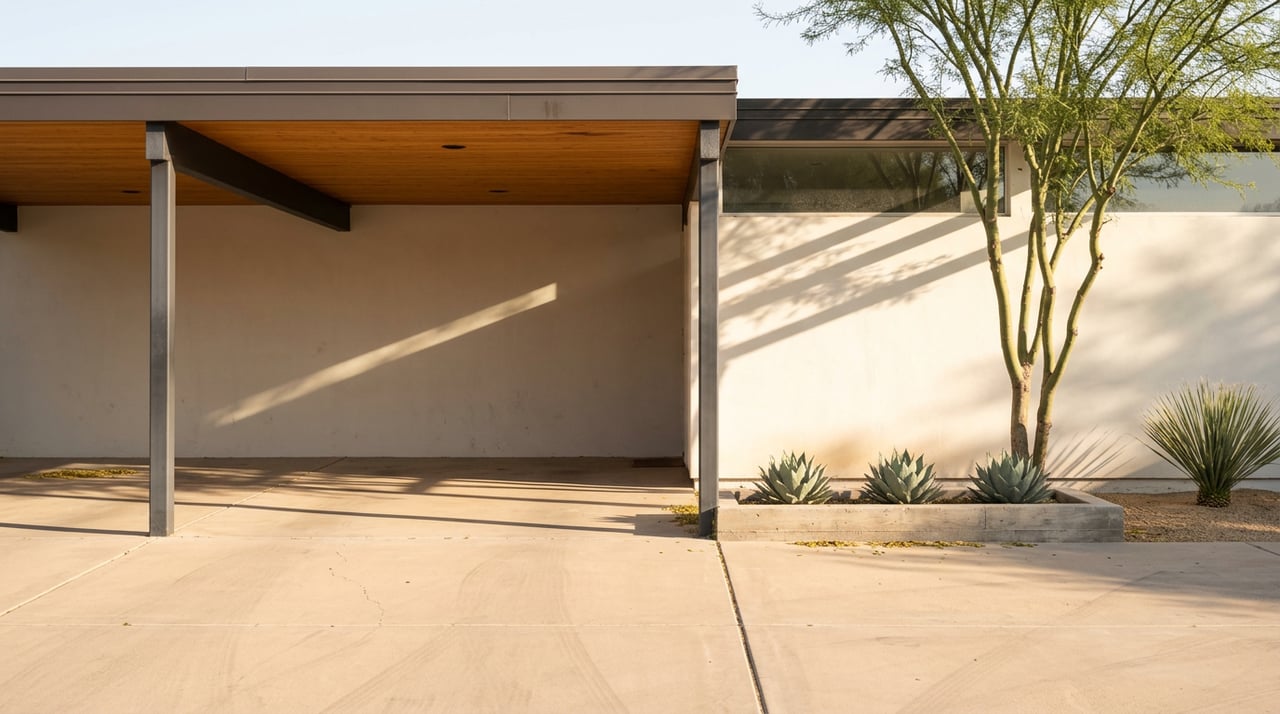
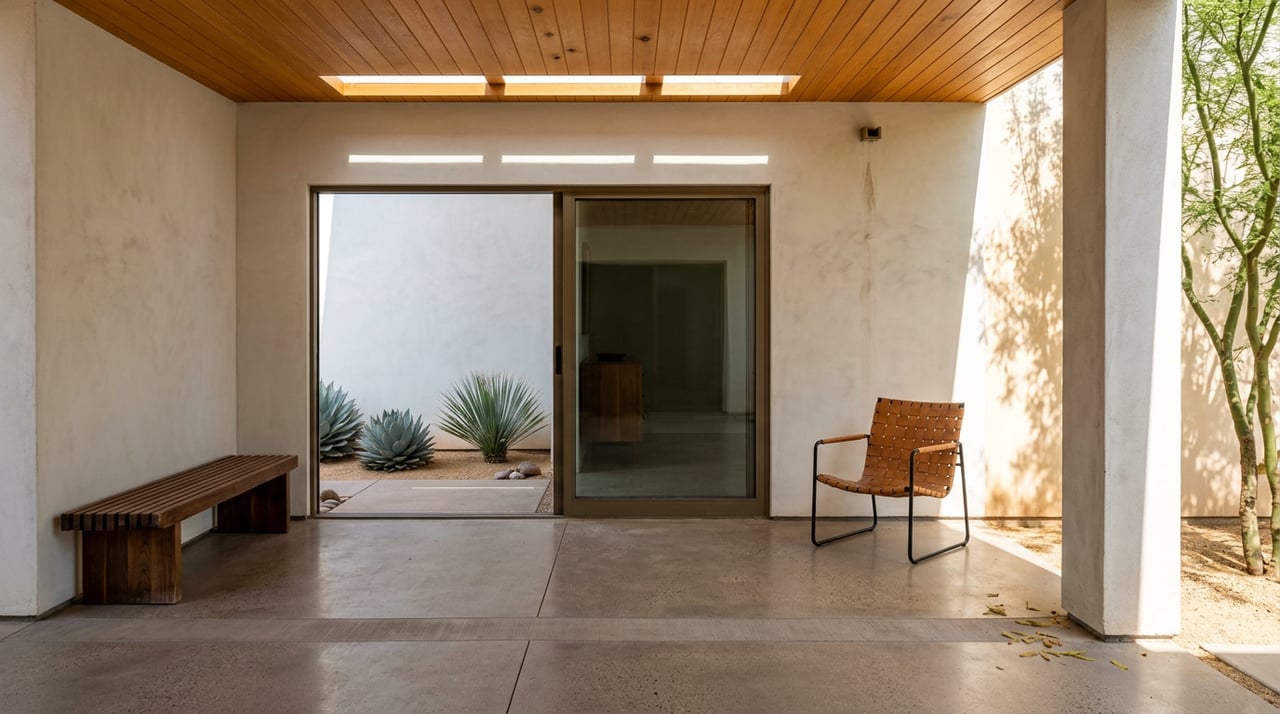
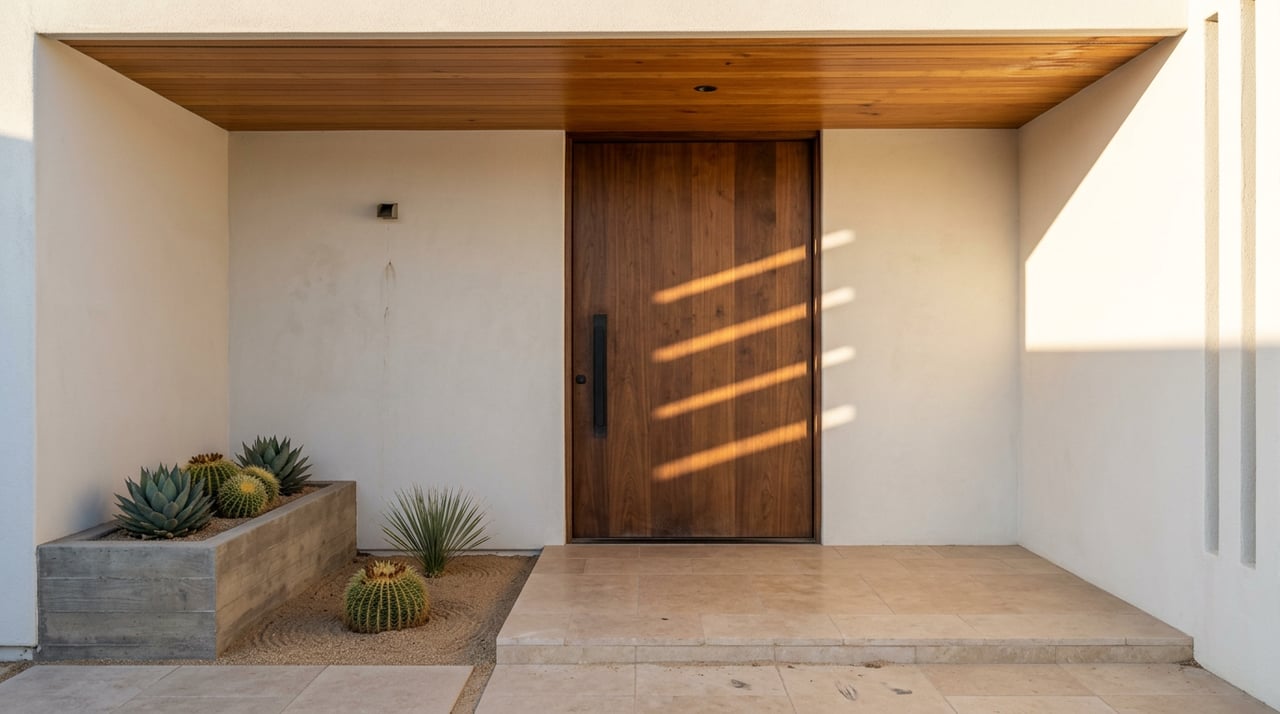
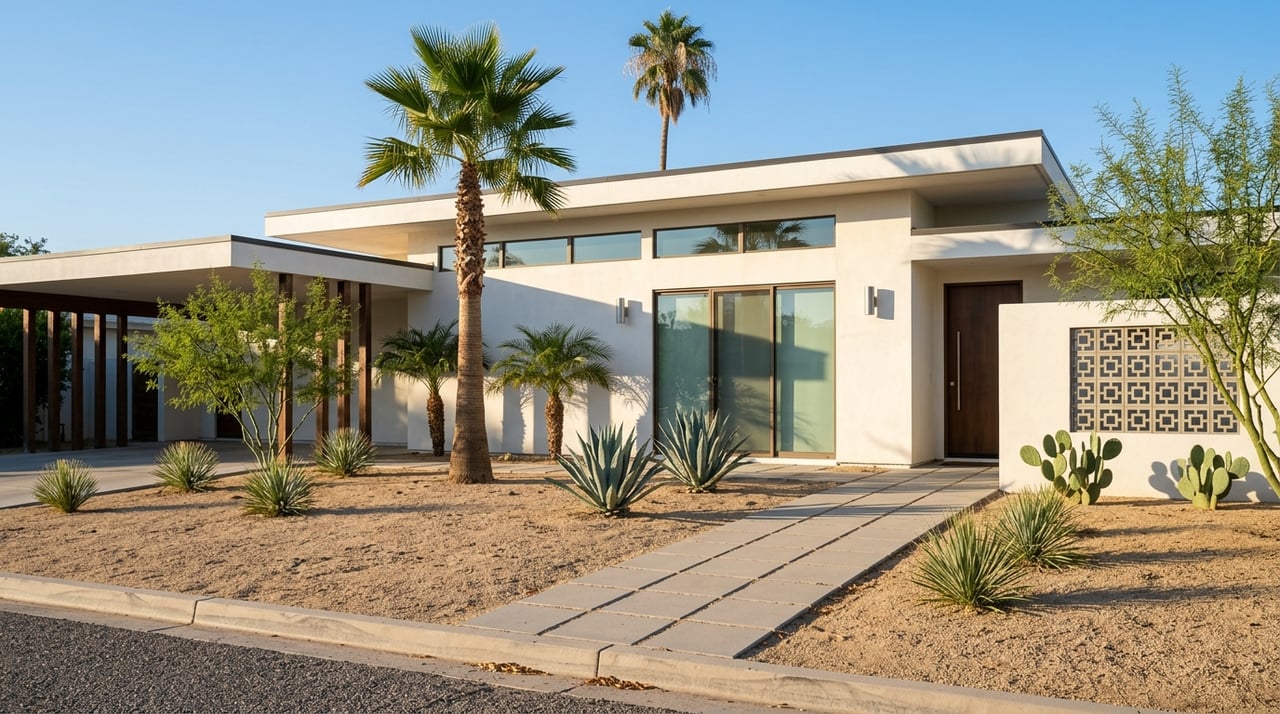
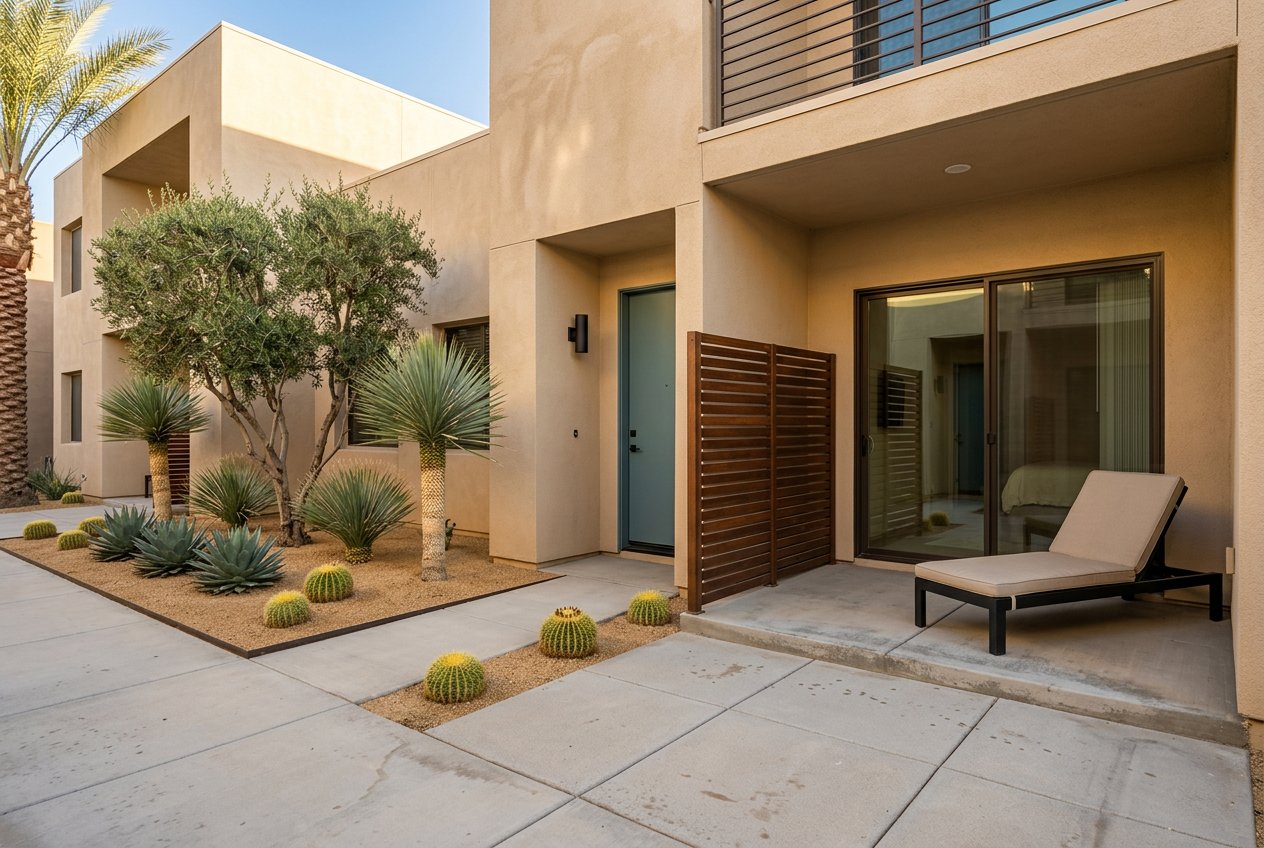
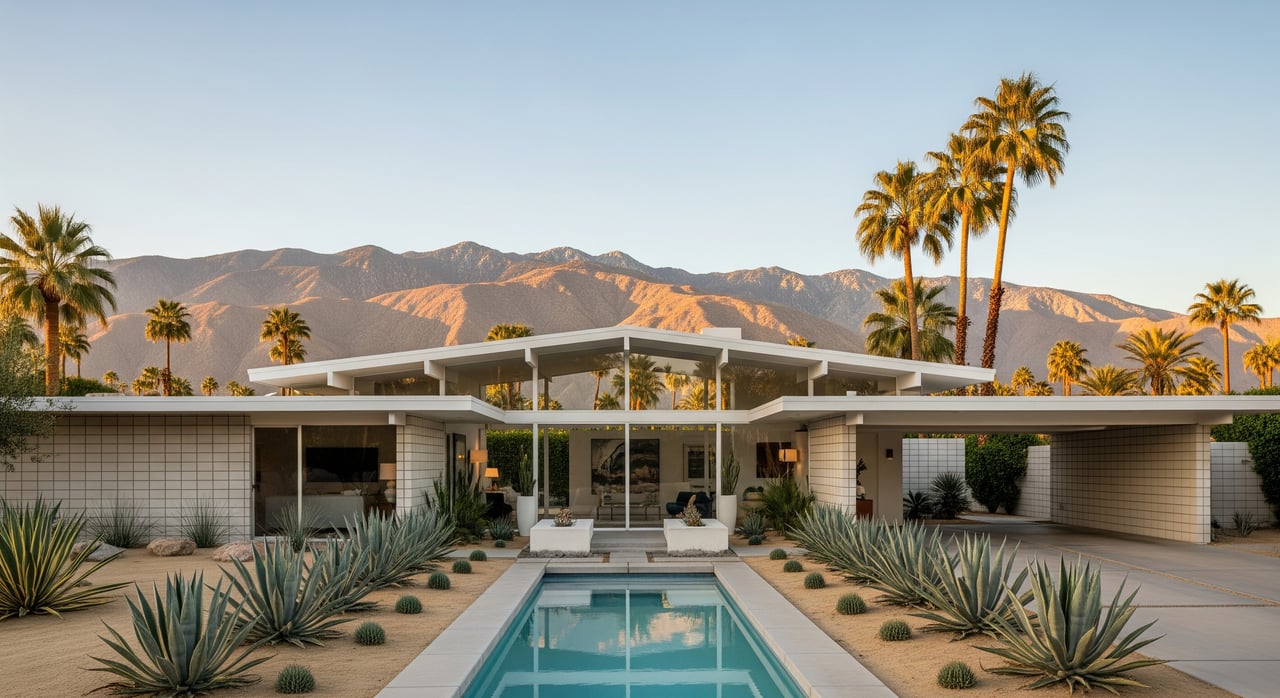
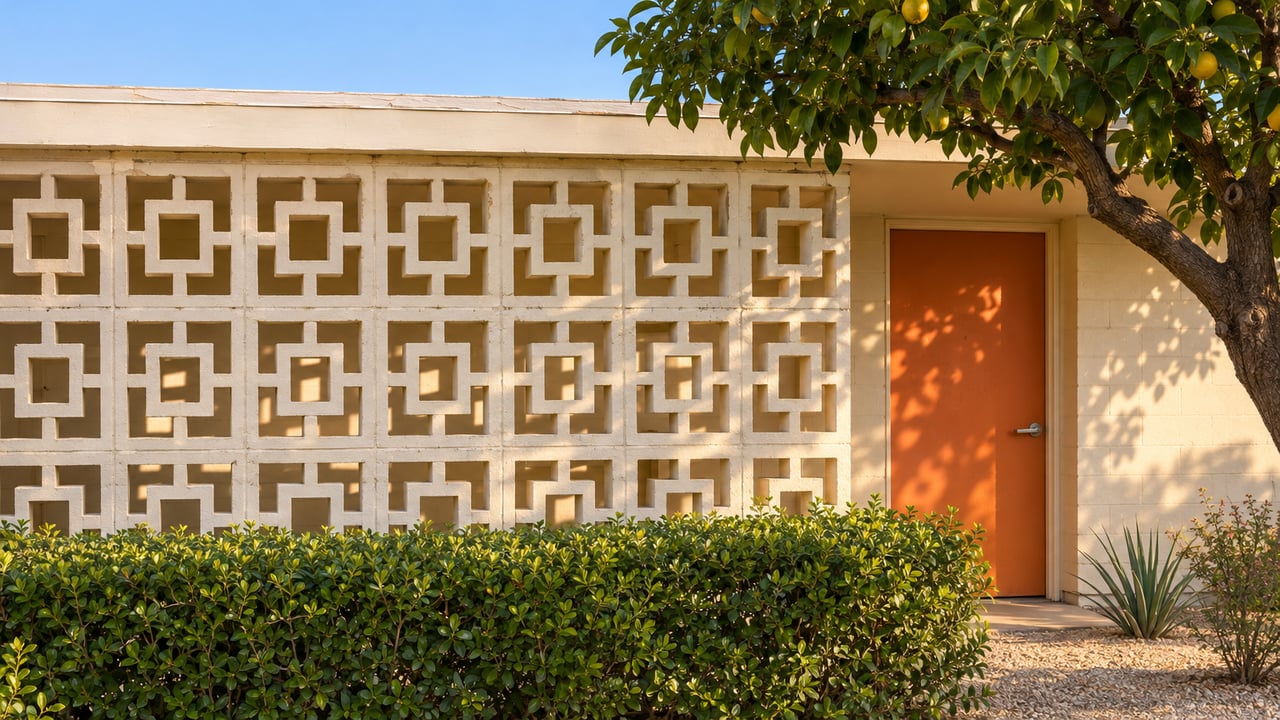
The districts are where the findings get most concrete, because a district is a whole street with one design idea behind it. All five are Mid-Century Modern, and four of them went up within a few years of each other in the early 1960s.
| District | Built | Design and development | Size per survey forms |
|---|---|---|---|
| Shadowcliff Colony | 1959–1962 | Architects Warren Frazier Overpeck and John Outcault; developer Clifford Henderson; landscape contribution by Tommy Tomson | A four-plex and a six-plex |
| Birdie Way, Silver Spur Ranch | 1962–1966 | Architect Richard Harrison; developer Adrian Schwilck | 27 properties, 23 contributing |
| Feather Trail, Silver Spur Ranch | 1962–1965 | Architect Richard Harrison; developer Adrian Schwilck | 14 residences, 9 contributing |
| Goldflower Street | 1962–1966 | Architect Charles Du Bois; developer Joe Dunas's Jay-Cee Investment Company; builder R. T. Spannagel | 23 homes |
| Yucca Tree | 1962–1963 | Developed by Holiday Realty, built by Solar Development Company | 4 homes, all contributing |
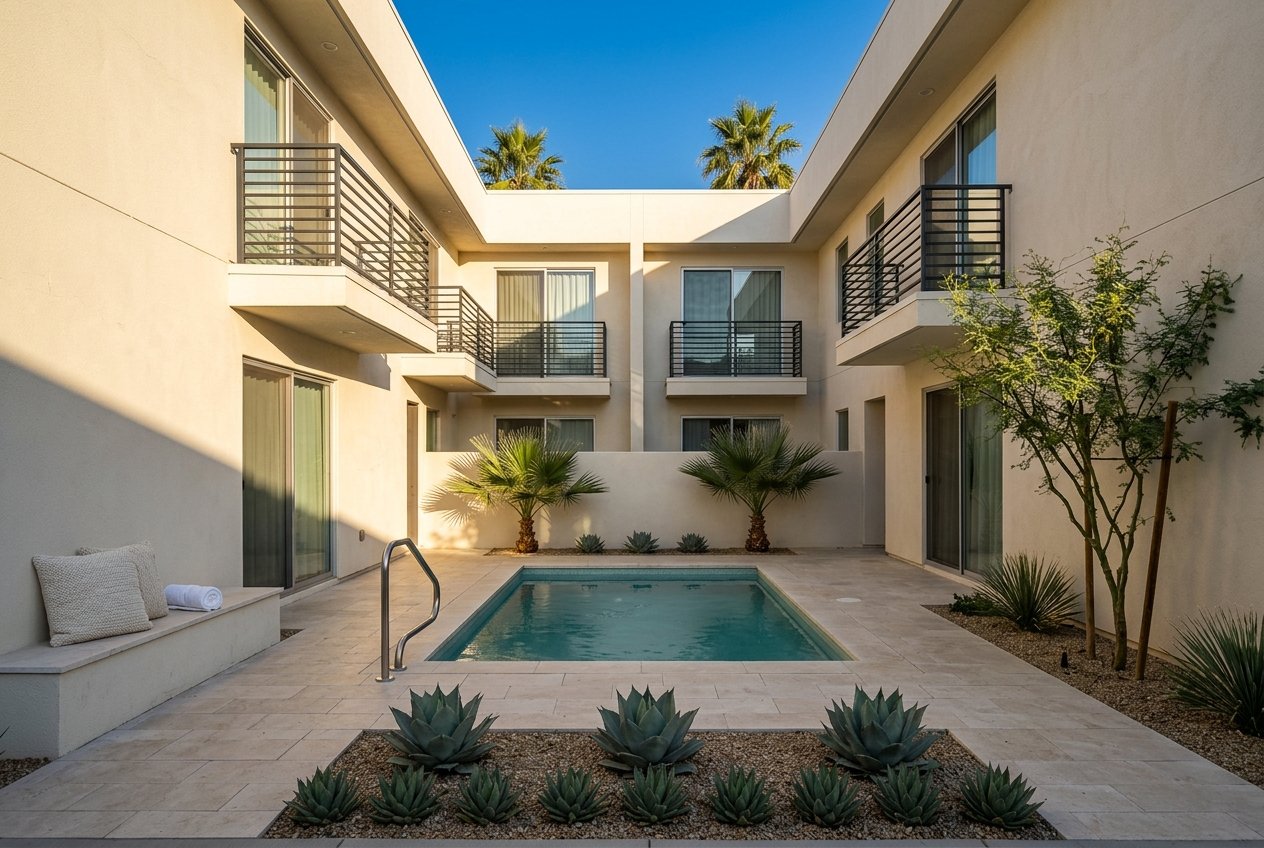
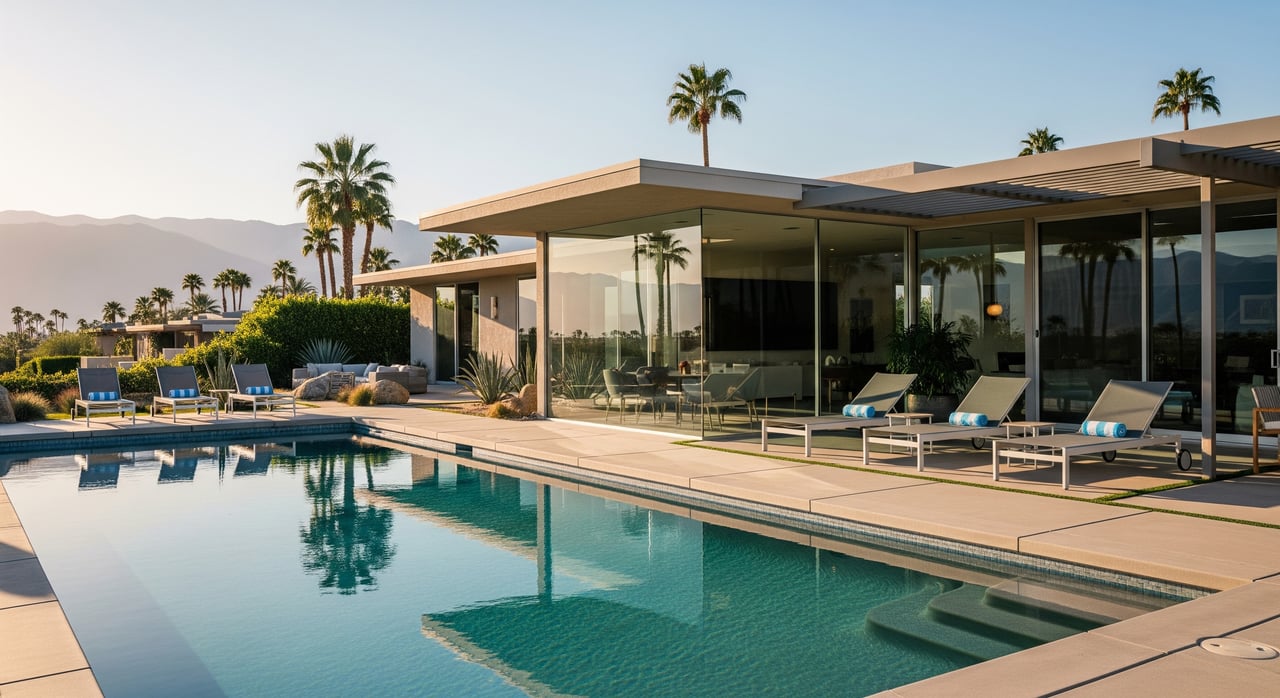
The surveyors' reasons for each district show what Palm Desert considers its own story. Shadowcliff Colony counts as one of the city's earliest condominium developments, with its site and landscape planned as a single composition. Birdie Way is cited partly for its early condominium typology and for Harrison's local body of work. Goldflower Street is described as an unusually cohesive single-family subdivision. Yucca Tree is four houses around a shared landscape and pool, recognized as evidence of the city's seasonal residential development.
Condominiums keep coming up. The Post reported that most of the individually eligible resources are single-family homes and small apartment or condominium complexes. One of the two Mills Act applications the council considered in December 2025 was a unit in Sandpiper Circles on El Paseo. For a downsizer who wants low maintenance and an architectural pedigree, Palm Desert's historic stock includes a lot of attached housing.
The individual list also names architects with reputations well beyond the valley. The survey mentions a Cliff May house and a Walter S. White house. It credits Shadowcliff Apartments to John Outcault with landscaping by Tommy Tomson. Its institutional entries include Outcault's Christian Science Church and St. John's Lutheran Church, Palm Desert Community Presbyterian Church by Powell, Morgridge, Richards and Coghlan, and Richard Harrison's University Baptist Church.
Mills Act Savings
The city's page says most Mills Act participants save about 50 percent a year on their tax bill.
The Homes Behind the Hedges
Surveyors worked only from public streets. The Post reported that 37 more resources may be eligible but could not be evaluated, many because tall fences or hedges hid them or because they sit in gated communities. The report names Monterey Country Club, Palm Desert Greens and Palm Desert Resort Country Club among the gated places where it could not get access. Many condominium developments, mobile home parks and the College of the Desert are also on the unevaluated list.
Some of the country-club housing is Palm Desert's most characteristic mid-century-era housing, and this survey says nothing about it either way. The consultants recommended updating the survey every five years and telling owners about incentives such as the Mills Act. The committee's 2027 work plan calls for a review of the designation process. Carlos Flores of the city's Development Services Department told the committee the review will consider a tiered system, the Post reported.
The report names four buildings it calls exceptionally significant but too altered to qualify: the Desert Magazine Building, the Edith Eddy Ward Residence/Sun and Shadows Hotel Apartments, the former Twin Palms Lodge on Shadow Mountain Drive, and the former Johnny Bash's Club House on Highway 111.
This post is general information and not legal, tax or financial advice. Anyone weighing designation or a Mills Act contract should confirm their own situation with an attorney, a tax professional and the City of Palm Desert's planning staff.
If a home on Birdie Way, Goldflower Street or Shadowcliff Colony is on your list, Gendron Properties can walk you through what the survey says about it before you write an offer. Your Next Chapter Starts Here.