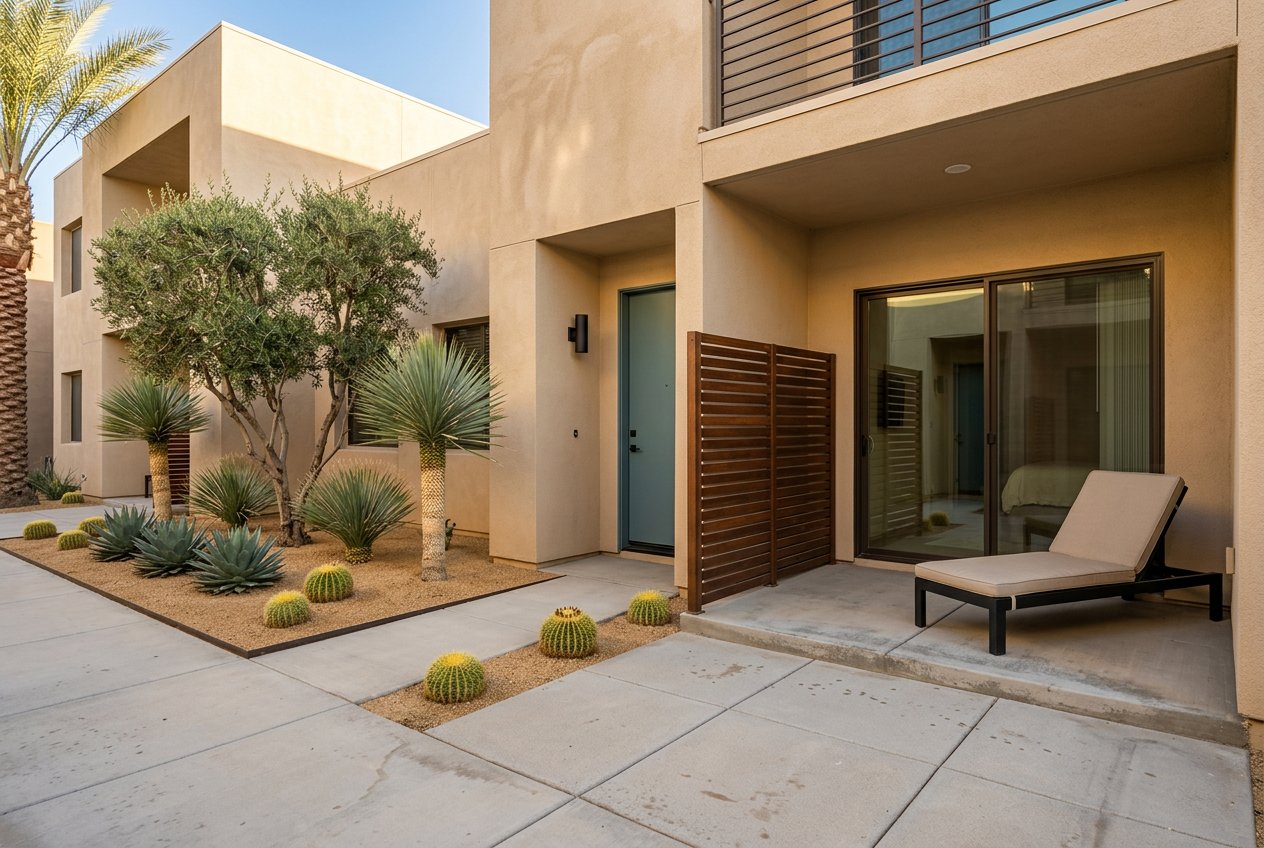
Deciding between a low‑maintenance condo and a private desert home in Rancho Mirage can feel like a coin toss. You want an easy, sunny lifestyle, but you also care about privacy, control, and long‑term value. In this guide, you will learn how each option stacks up on maintenance, HOAs, amenities, privacy, resale, financing, insurance, taxes, and local rental rules, so you can choose with clarity. Let’s dive in.
Rancho Mirage market context
As of March 2026, major market portals show Rancho Mirage median sale prices hovering in the mid to high six figures, often around the 800 thousand to 1 million range. The city skews older, with a high share of retirees, downsizers, and seasonal owners, which helps explain strong demand for low‑maintenance, amenity‑rich living. You will find a mix of resort and country‑club condos, townhomes, and single‑family desert homes across gated and non‑gated settings. The result is a wide spread of HOA dues and services.
For demographics and age profile, review neutral census detail from Census Reporter’s Rancho Mirage profile.
Maintenance and monthly costs
Condos: easier upkeep, set dues
Many condo associations handle exterior care, landscaping, pools, common‑area insurance, and sometimes water, trash, or cable. This reduces chores and makes costs more predictable, but it comes with monthly HOA dues that vary by community and amenity level. In Rancho Mirage, it is common to see dues ranging from a few hundred dollars to well over one thousand dollars per month.
Desert homes: more control, variable costs
With a single‑family home, you gain control over your property and often avoid large HOA dues, but you take on all exterior and pool care. A simple planning tool is the “1% rule,” which suggests setting aside about 1% of a home’s value per year for maintenance, or roughly 1 dollar per square foot per year. These are broad guides from consumer sources such as Select Home Warranty’s maintenance overview, and actual costs vary by age, systems, and pool ownership.
Quick example to frame the math
- A $600,000 condo with $700 monthly HOA dues might feel simple if the dues cover exterior care, pool, and common insurance.
- An $800,000 single‑family home with no HOA might average $300 to $700 per month in upkeep over time, depending on age, pool, and landscaping.
Always verify actual inclusions, planned increases, and recent invoices for the specific property.
HOAs, reserves, and assessments
California’s Davis‑Stirling Act sets rules for common‑interest communities, including reserve studies, disclosures, and budget reporting. If you are buying a condo, review the latest budget, reserve study summary, and any board policies on using reserves. See the Davis‑Stirling Act overview for context.
Because many Rancho Mirage condo communities are decades old, reserve health matters. Ask for the last three years of financials, the most recent reserve study, board minutes for the past 12 months, and details on the master insurance policy. Poor reserves or active litigation can increase risk of special assessments and limit financing. For a plain‑English look at reserve study importance, visit FindHOALaw’s reserve study resources.
Amenities and lifestyle fit
Condos and club life
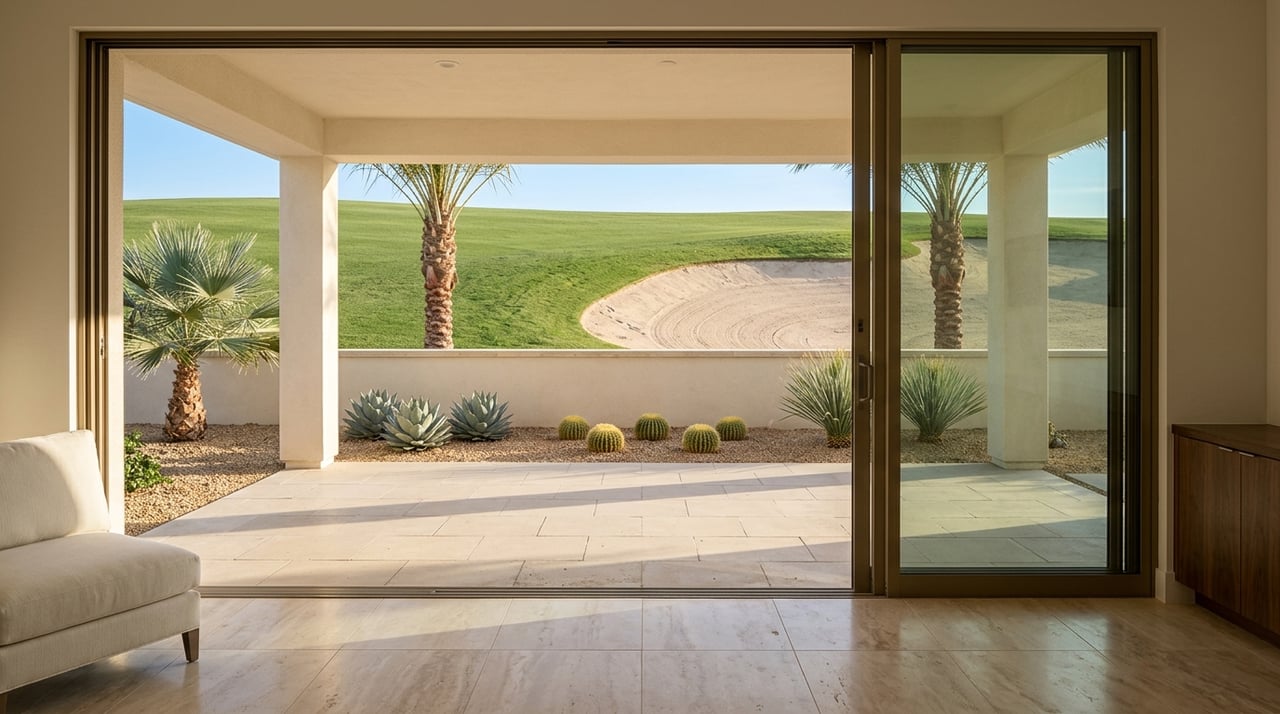
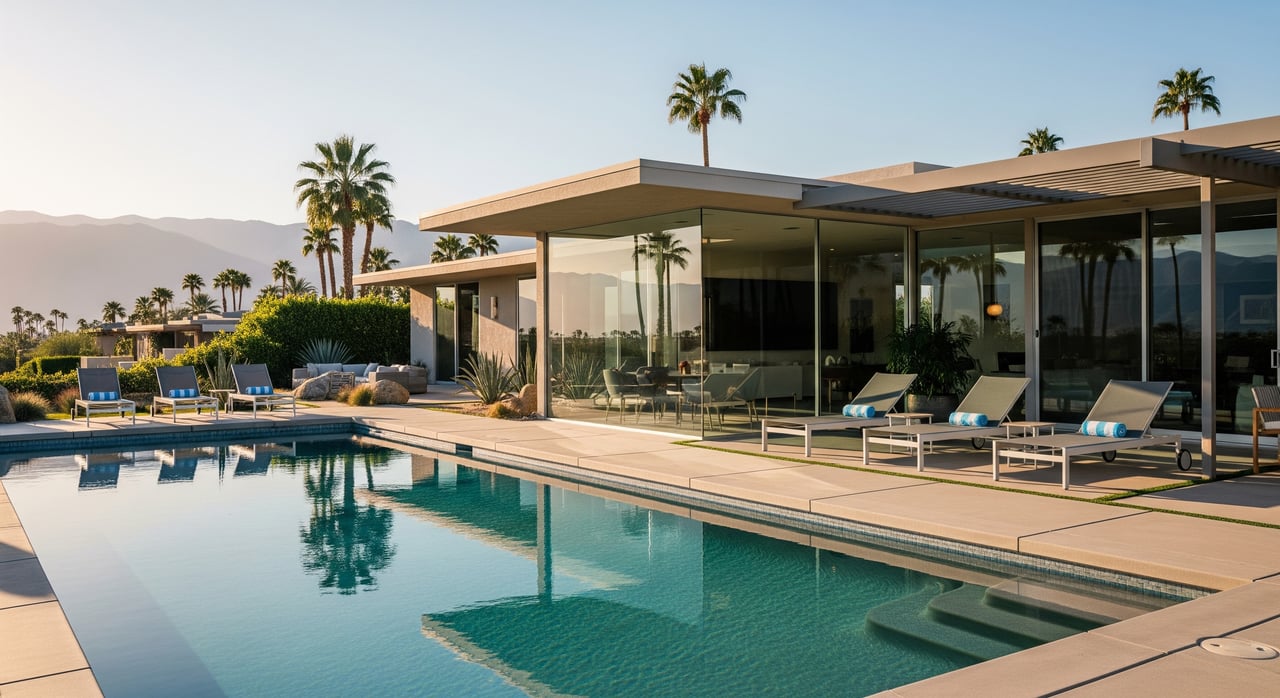
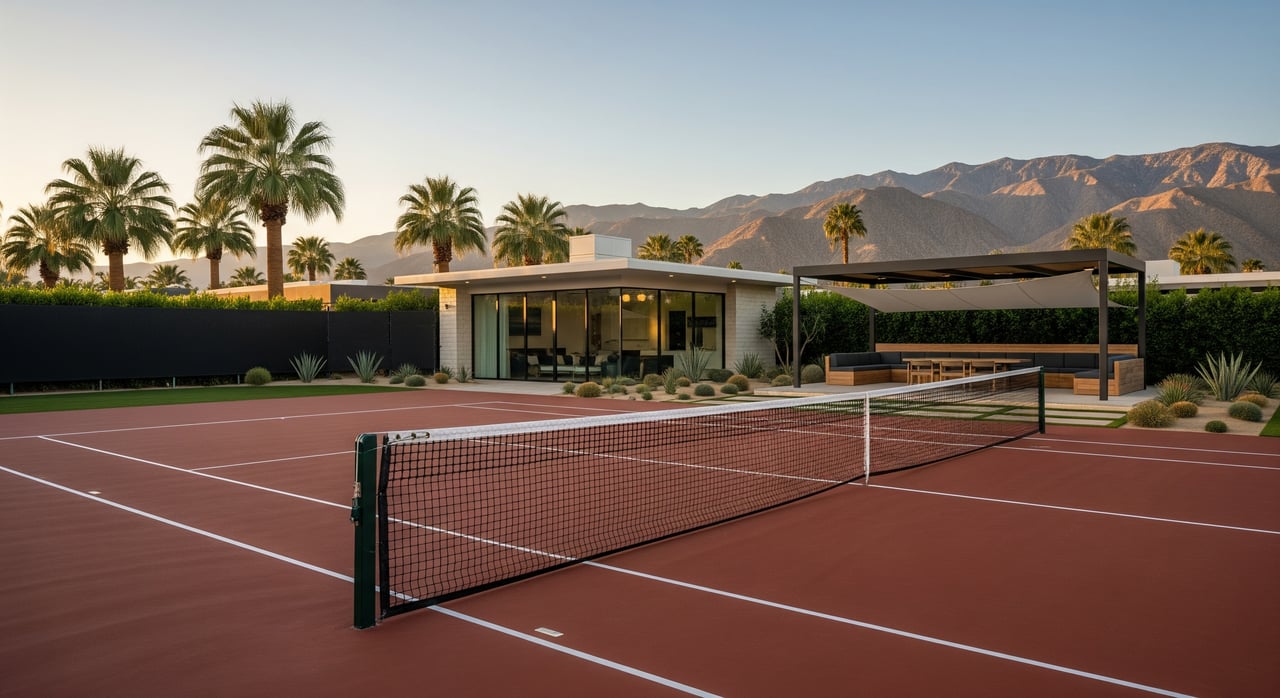
Condo and country‑club communities often bundle pools, fitness centers, tennis or pickleball, and gated security. Many buyers like the social energy and convenience, especially near lifestyle anchors like the Rancho Las Palmas area. For a feel of the club setting, browse Rancho Las Palmas golf course context.
Single‑family homes and space
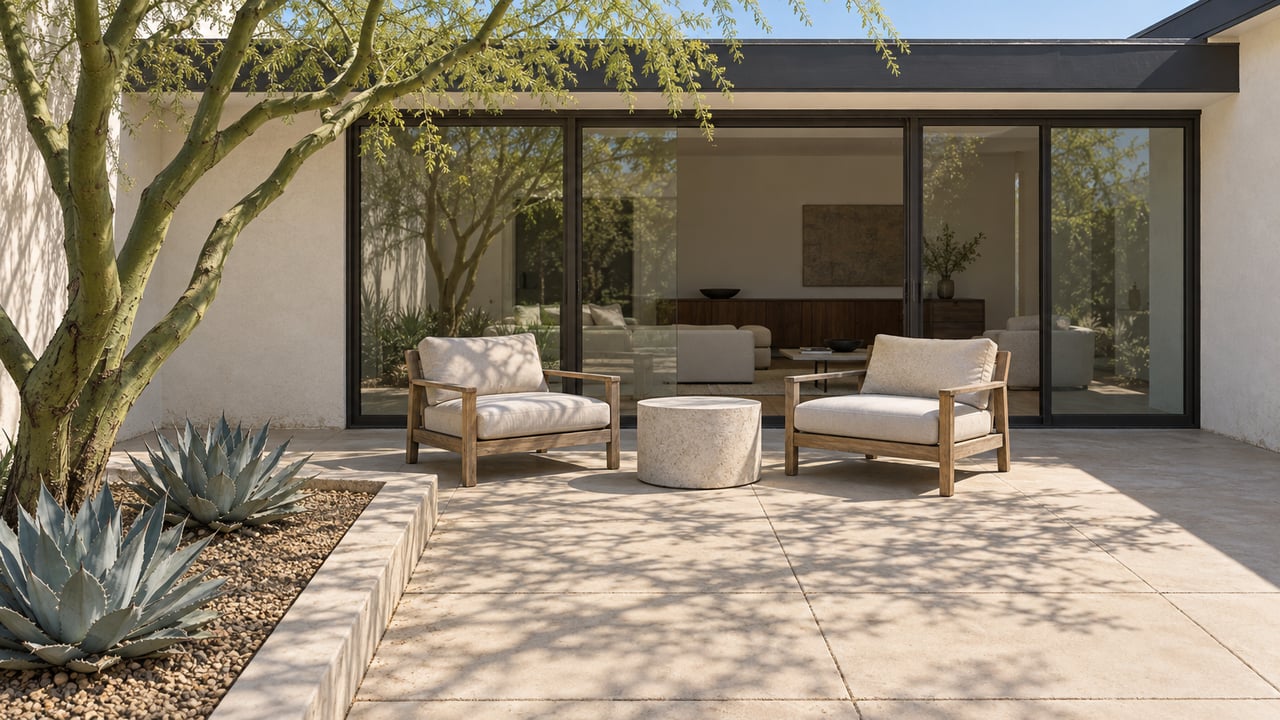
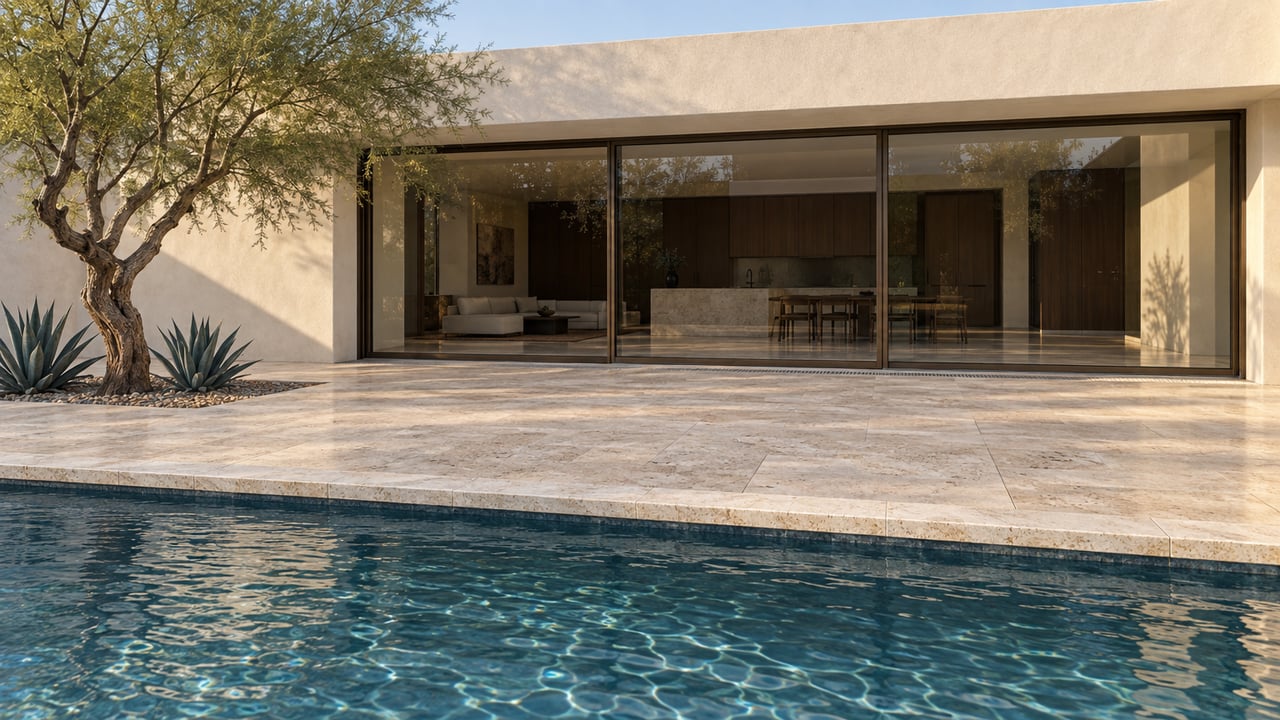
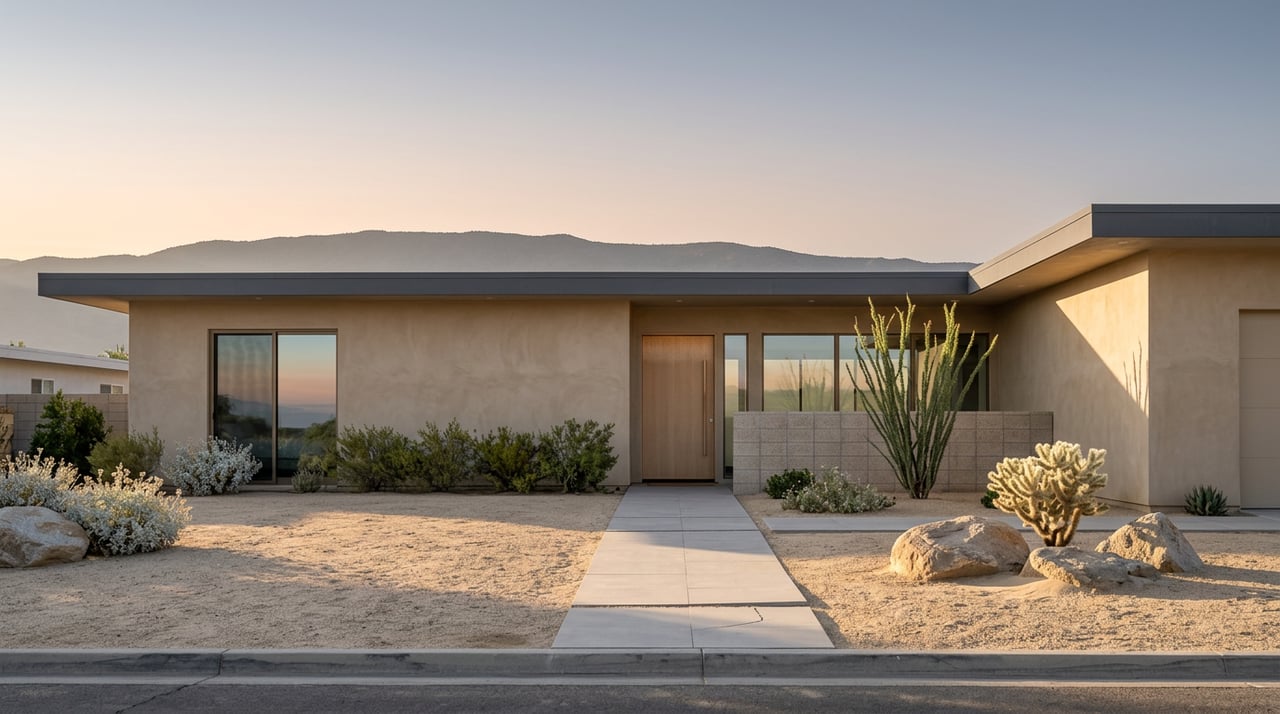
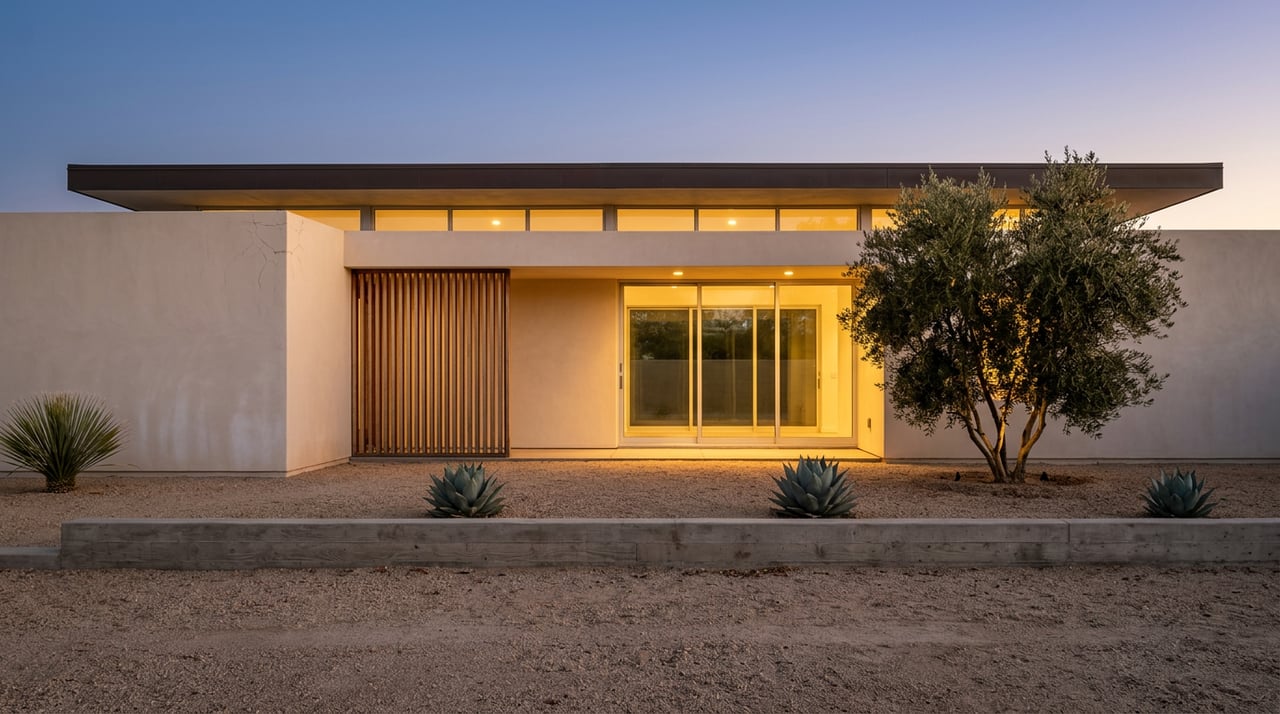
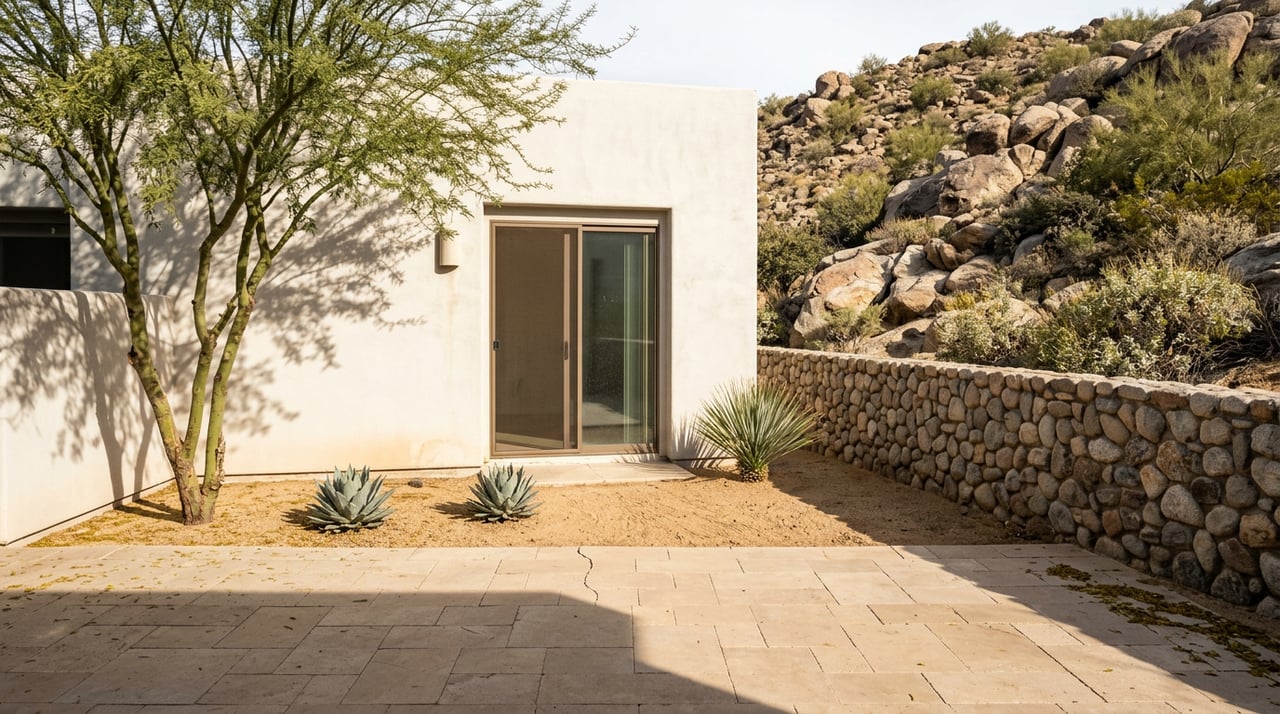
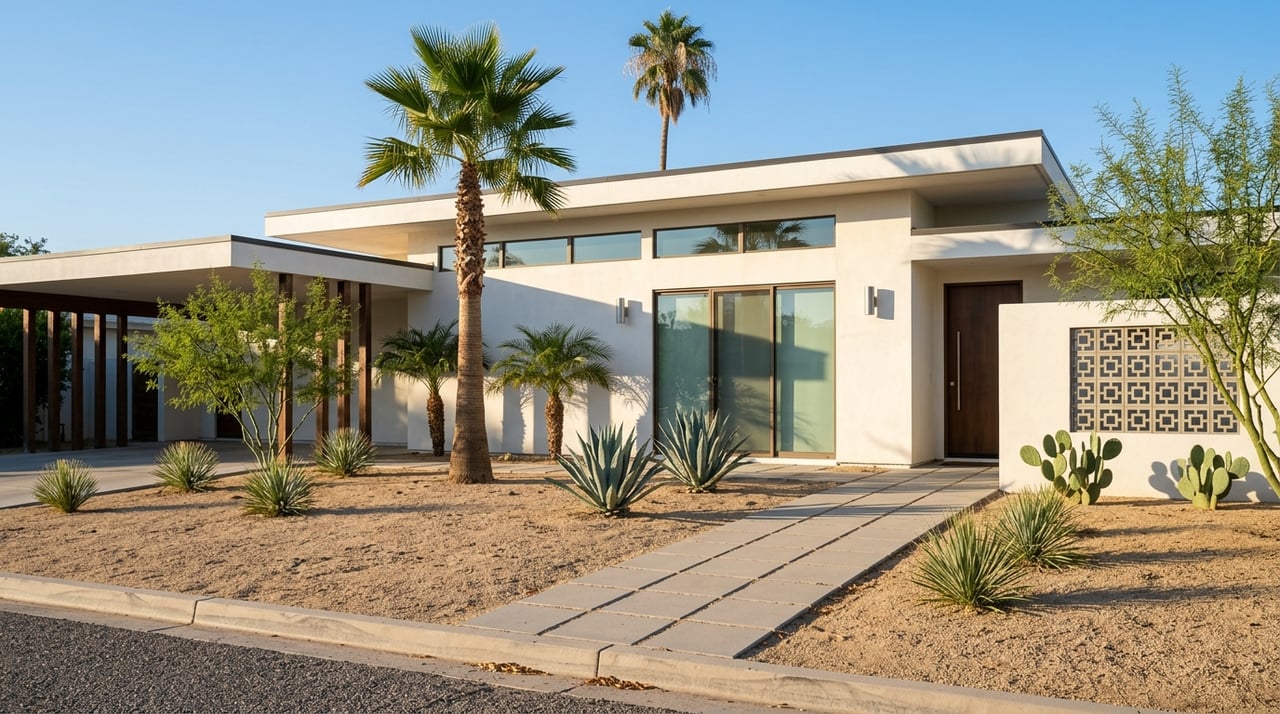
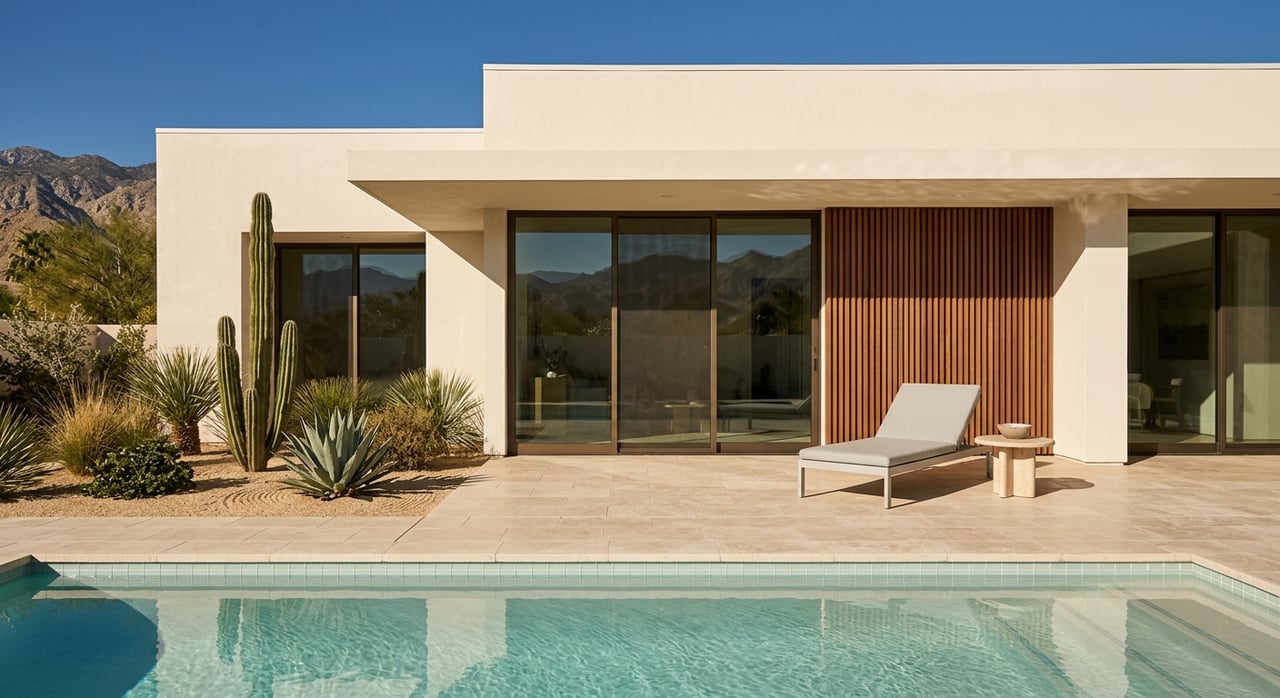
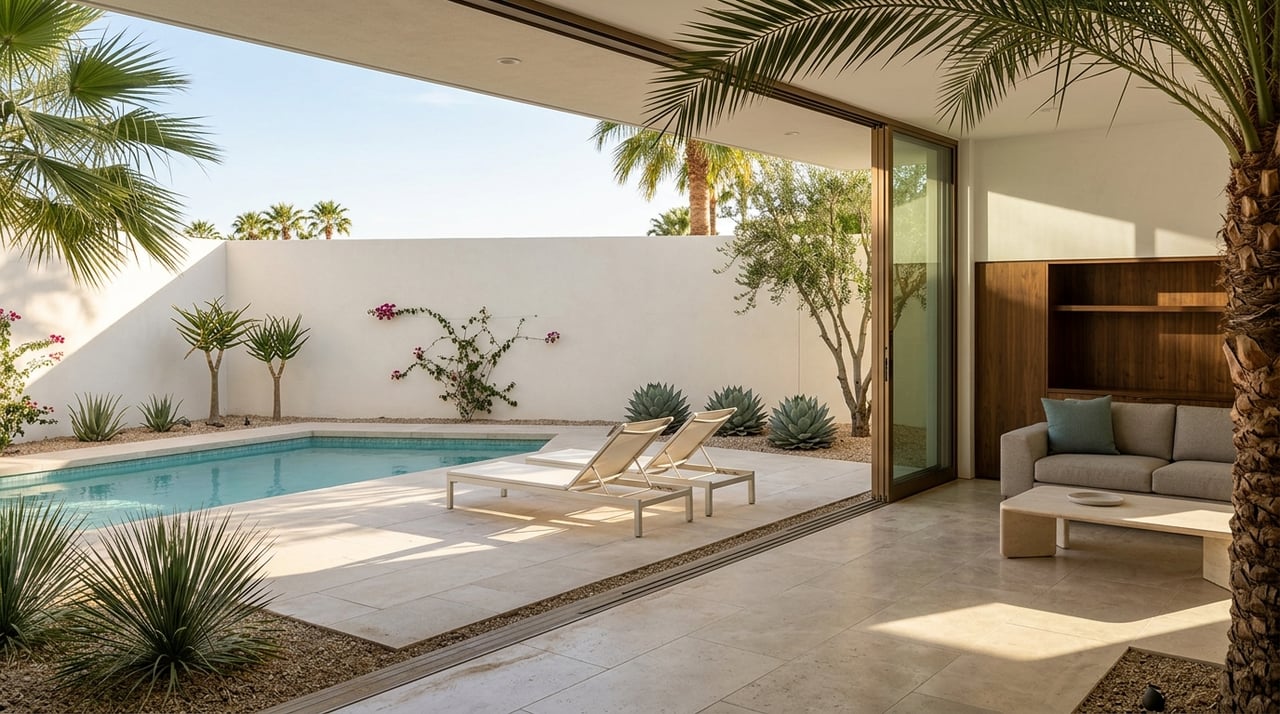
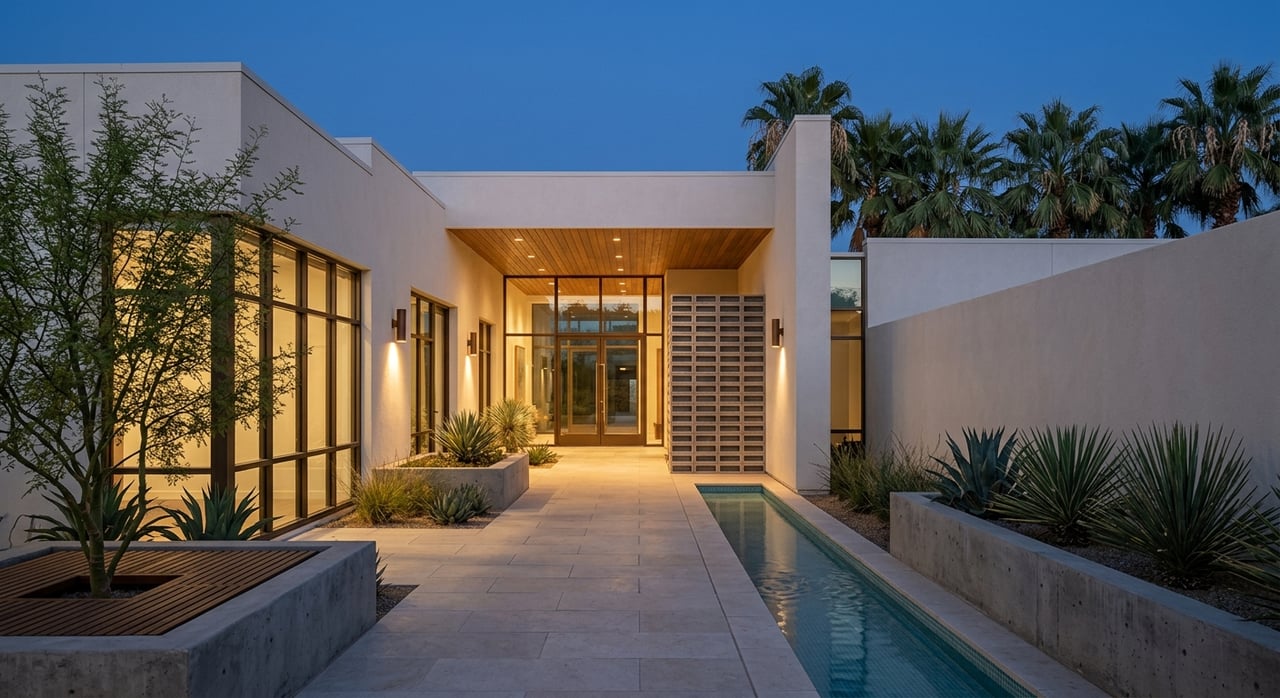
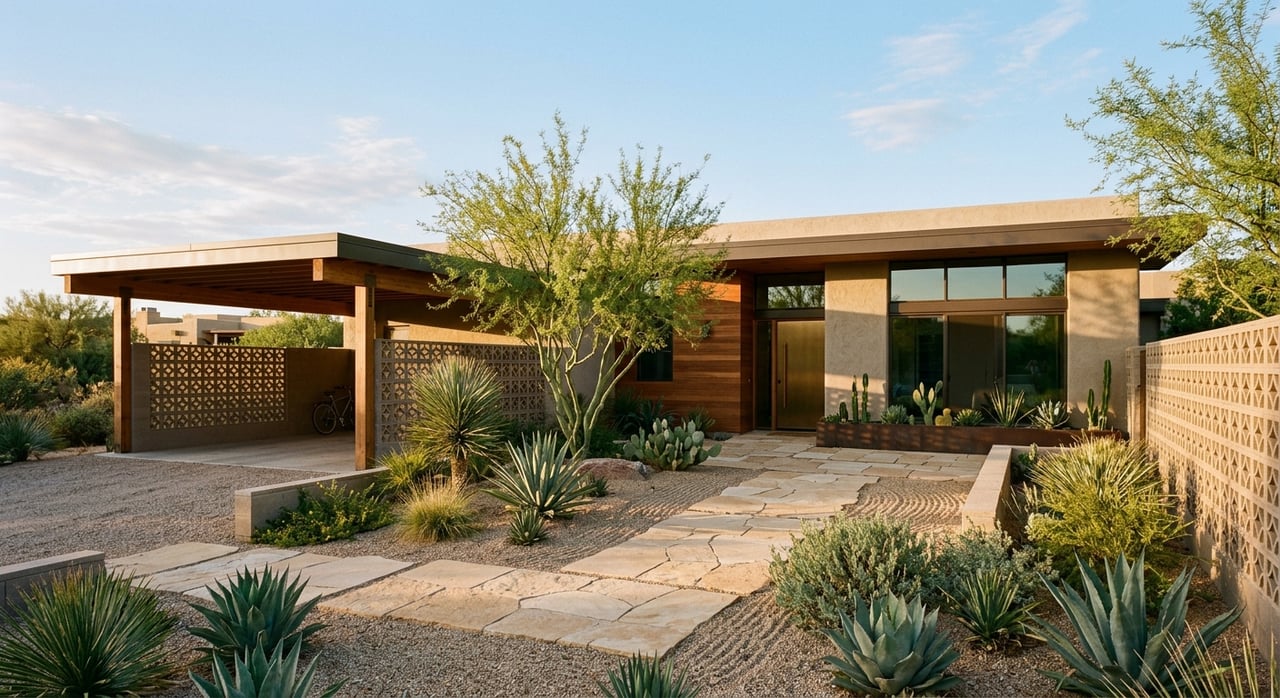
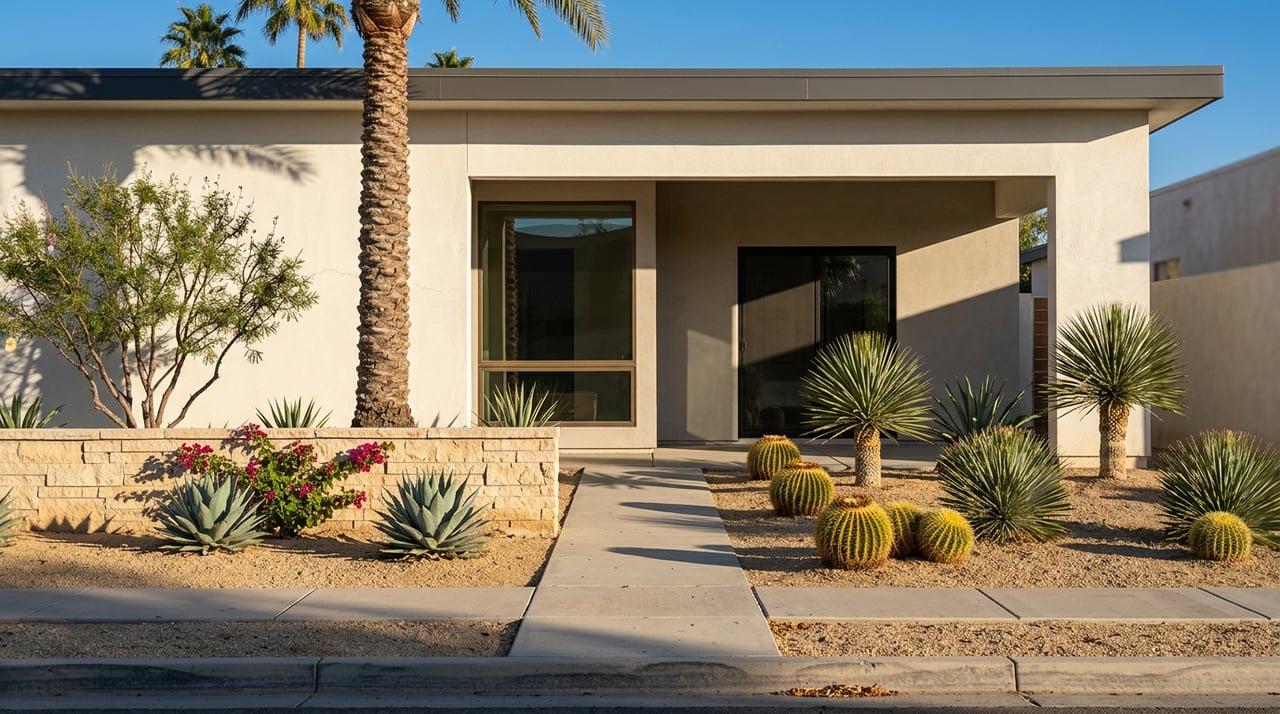
Detached homes usually offer larger yards, private pools, more parking, and fewer direct neighbor contacts. You can shape outdoor areas, add features like RV parking where allowed, and manage noise and privacy on your terms. If you value separation and customization, this path often wins.
Privacy, noise, and comfort
Condos bring convenience but share walls and common spaces, which can raise noise or privacy concerns, especially in older buildings. HOAs may limit exterior changes and outdoor speakers. If you are noise‑sensitive, ask for any recorded complaints in board minutes and plan a visit at different times of day. Single‑family homes naturally add separation and yard buffers, which many owners find more comfortable long term.
Resale realities in Rancho Mirage
Both condos and single‑family homes can sell well when they are well located and well maintained. Condos in associations with healthy reserves and clear, stable rules attract stronger buyer pools. Buildings with high HOA delinquencies, low reserves, or litigation may see longer market times and financing hurdles. If you plan to hold as a second home, Rancho Mirage rental rules will also shape your exit strategy, which we cover below.
Short‑term rentals in Rancho Mirage
Rancho Mirage prohibits short‑term rentals of 27 days or less citywide. The municipal code defines short‑term rentals and bars advertising or operating them. If you plan to offset costs with rent, focus on leases of 28 days or more and confirm any HOA rental caps or minimums. You can read the code language in Rancho Mirage Municipal Code §17.30.270.
Financing, insurance, and taxes
Condo financing and warrantability
Condo loans often depend on project eligibility. Lenders review the association’s budget, reserves, insurance, owner‑occupancy, and litigation status. Non‑warrantable projects may require larger down payments or different loan products. Ask your lender to confirm the project’s status and what documents are needed. For background, see Fannie Mae’s project standards.
Insurance: HO‑6 vs HO‑3
Condo owners typically carry an HO‑6 policy that covers interior finishes, personal property, and liability, while the HOA master policy covers the exterior and common areas. Master policy types vary, and deductibles can be large. Review the master policy to understand whether it is bare walls‑in, single‑entity, or all‑in, then size your HO‑6 accordingly. A clear primer is Insure.com’s guide to HOA master policies. Single‑family homes usually use an HO‑3 policy and may need separate earthquake or flood coverage based on location.
Property taxes and utilities
California’s base property tax rate is about 1% of assessed value, with voter‑approved bonds and special assessments added. In Riverside County, many effective rates fall near 1.0% to 1.25%, depending on the parcel’s Tax Rate Area. Verify a property’s exact rate with the county. Start with the Riverside County Assessor’s FAQs.
Water and sewer service varies by parcel in the Coachella Valley. Large landscapes and golf courses often tap regional non‑potable programs. Confirm your exact providers and costs during due diligence. Learn more from the Coachella Valley Water District’s projects overview.
Which one fits you best?
- Choose a condo if you want low chores, built‑in amenities, and predictable monthly costs, and you are comfortable with HOA rules and dues.
- Choose a single‑family home if you want privacy, yard space, and maximum control over design and outdoor living, and you are prepared to manage variable maintenance.
If you are buying as a second home, remember that long‑term leasing of 28 days or more is the lawful path in Rancho Mirage, and HOA rental rules may add layers on top of city code.
Quick checklists for your decision
For downsizers and retirees
- Confirm what HOA dues include and whether any increases are scheduled. Ask for a written list of inclusions.
- Request the last three years of financials, the most recent reserve study, and the past 12 months of board minutes. See reserve basics at FindHOALaw.
- Get the HOA master insurance policy and note master deductibles and coverage type. Review this master policy guide.
- Ask about any recorded noise or nuisance issues near the unit and plan multiple site visits.
For second‑home and seasonal buyers
- Verify city rules first. Rancho Mirage bans rentals of 27 days or less. Read the municipal code section and check HOA rental limits.
- If financing a condo, ask your lender about project warrantability and required documents. See Fannie Mae’s standards.
- Ask your insurer about second‑home or vacancy provisions and needed endorsements for periods when the property is unoccupied.
For sellers focused on resale value
- Highlight the right value story: condos offer amenities and low maintenance, while single‑family homes offer privacy and lot size. Tailor marketing to the likely buyer pool in Rancho Mirage.
- Prepare HOA documents, reserve study summaries, and recent improvements to reduce buyer uncertainty.
- Price with hyper‑local comps and condition in mind. Updated homes and well‑funded associations usually command stronger interest.
Ready for local, tailored advice?
You deserve a clear, data‑informed plan that fits your lifestyle and budget, not a one‑size answer. If you would like a side‑by‑side cost comparison for a few target communities, or you want help navigating HOA documents, financing paths, and the city’s rental rules, reach out to Roger Gendron. Your next chapter starts here.
FAQs
Is a condo or a house more affordable monthly in Rancho Mirage?
- It depends on HOA dues and maintenance. Condos have set dues that may include exterior care and utilities, while single‑family homes avoid large dues but carry variable upkeep. Use the 1% rule as a planning guide and verify inclusions for each property.
What do Rancho Mirage condo HOAs usually cover?
- Many cover exterior maintenance, landscaping, pools, and common‑area insurance, and some include water, trash, or cable. Ask for a written breakdown, the latest budget, and reserve study before you commit.
How do short‑term rental rules affect buyers in Rancho Mirage?
- The city bans rentals of 27 days or less, which limits nightly or weekly rental income. If you plan to rent, focus on 28‑day minimum leases and confirm any HOA rental caps. See the city code section.
What financing issues do condo buyers face in Rancho Mirage?
- Lenders review the whole project for eligibility. Low reserves, litigation, or high investor concentrations can make a project non‑warrantable, which can change loan terms. Ask your lender to confirm project status early and see Fannie Mae’s standards.
What insurance do I need for a Rancho Mirage condo?
- You will likely need an HO‑6 policy for interior finishes, personal property, and liability, coordinated with the HOA’s master policy. Review master policy type and deductibles to avoid gaps. A helpful primer is Insure.com’s master policy guide.