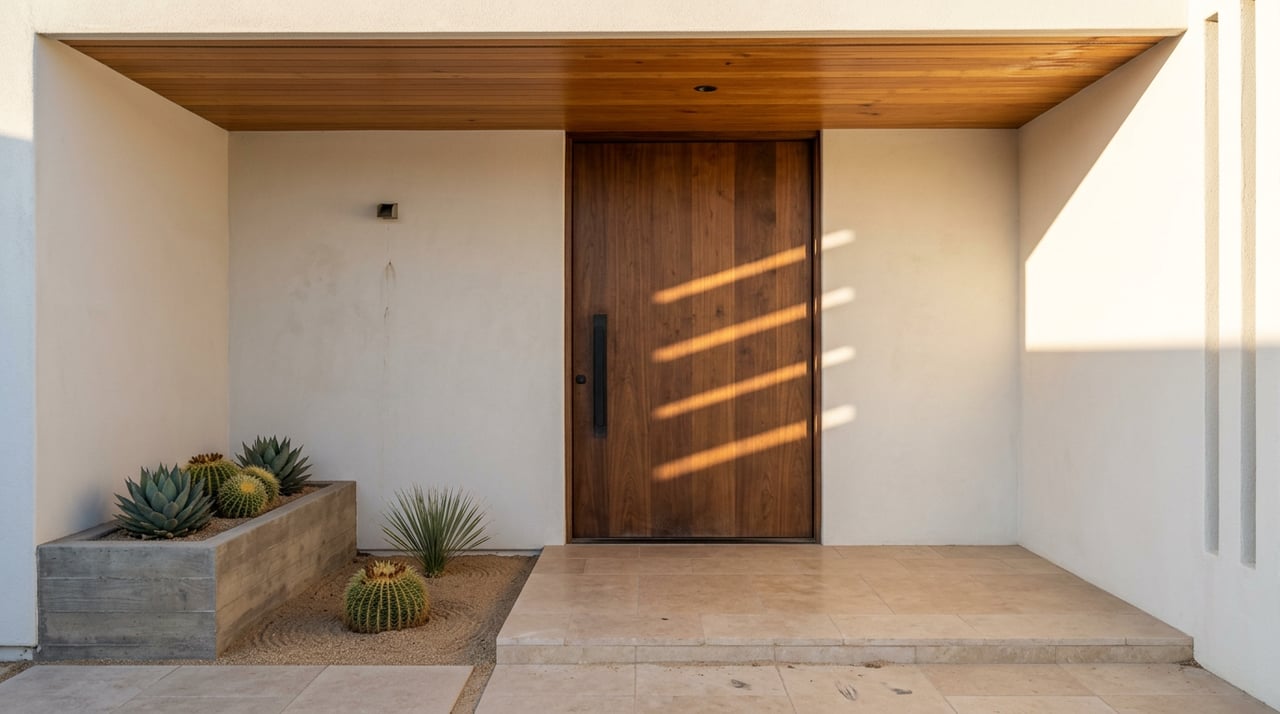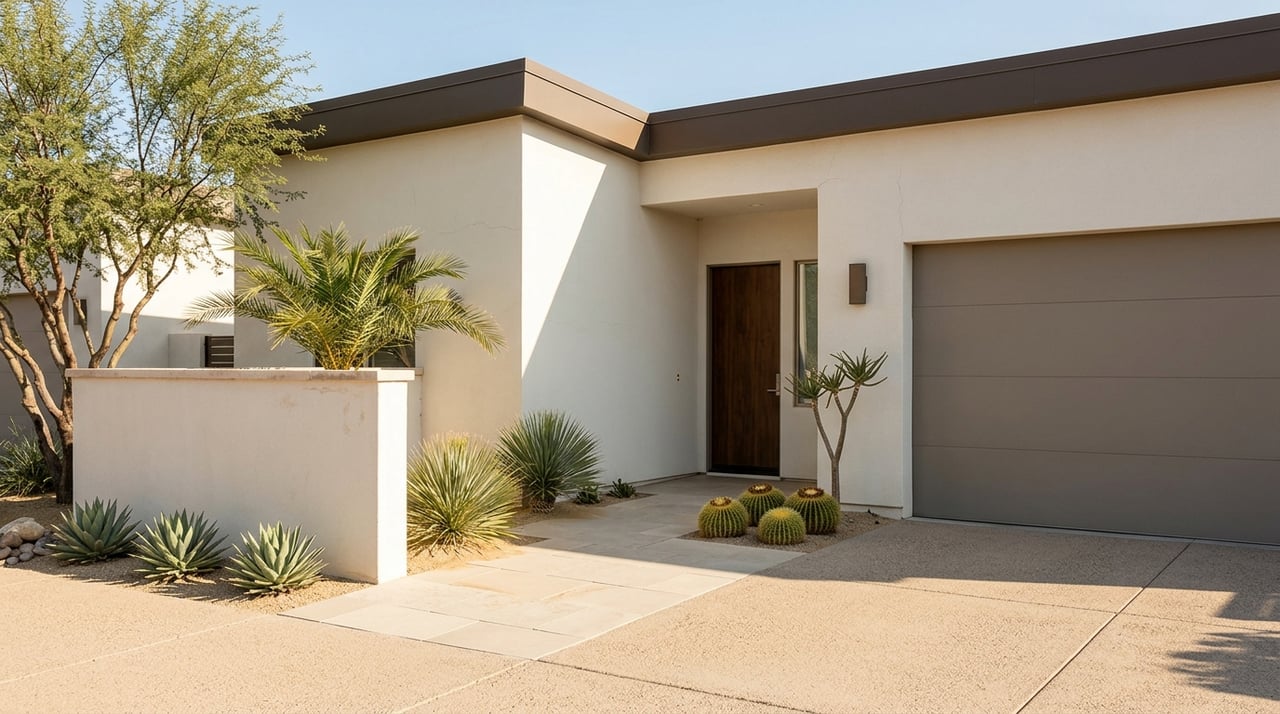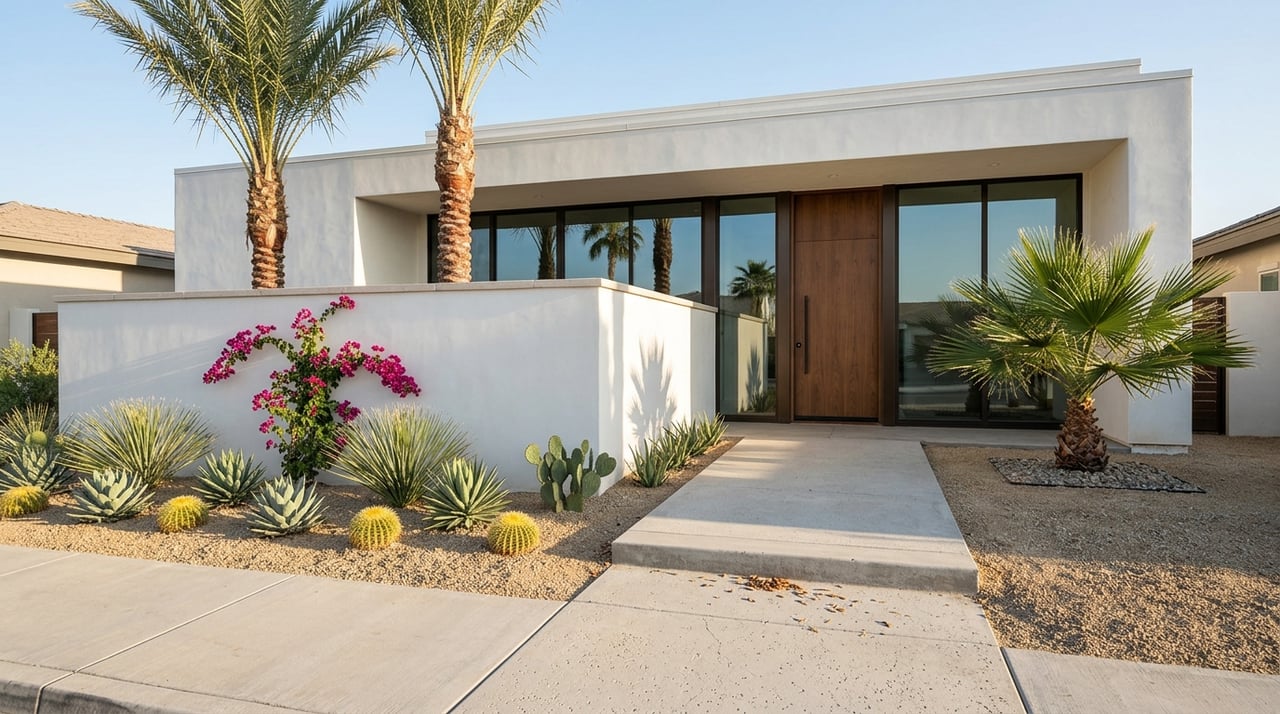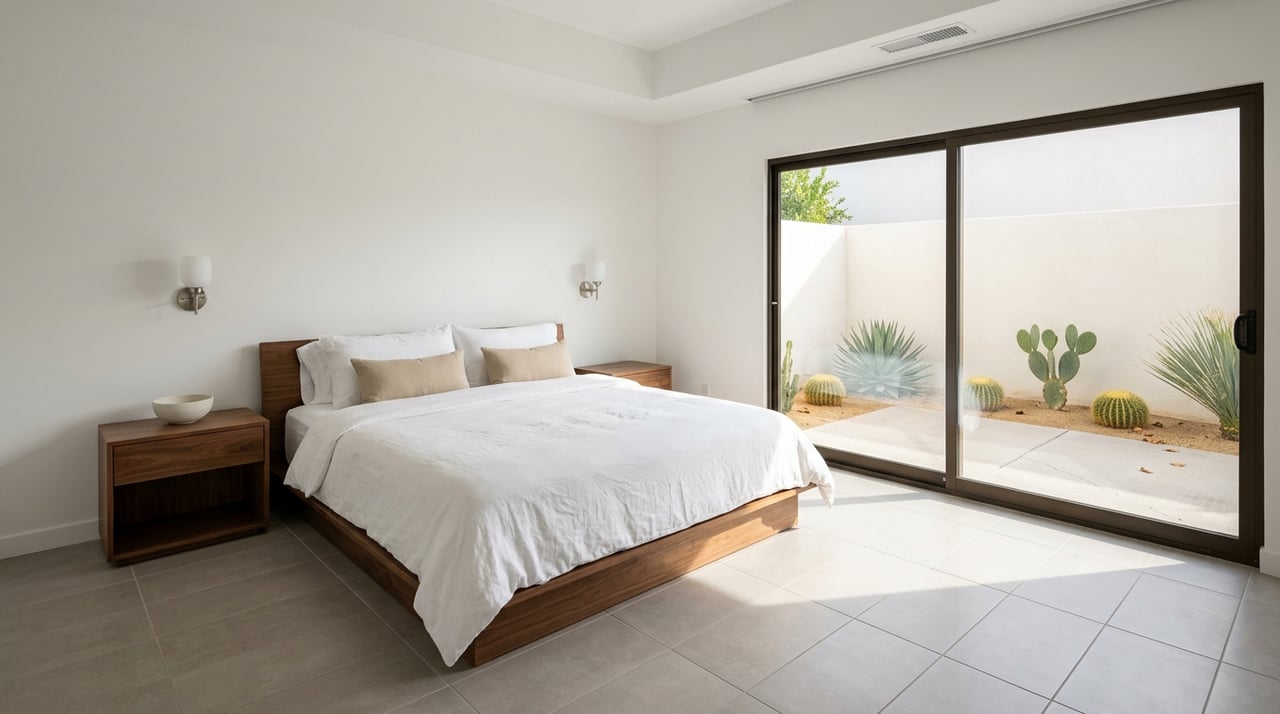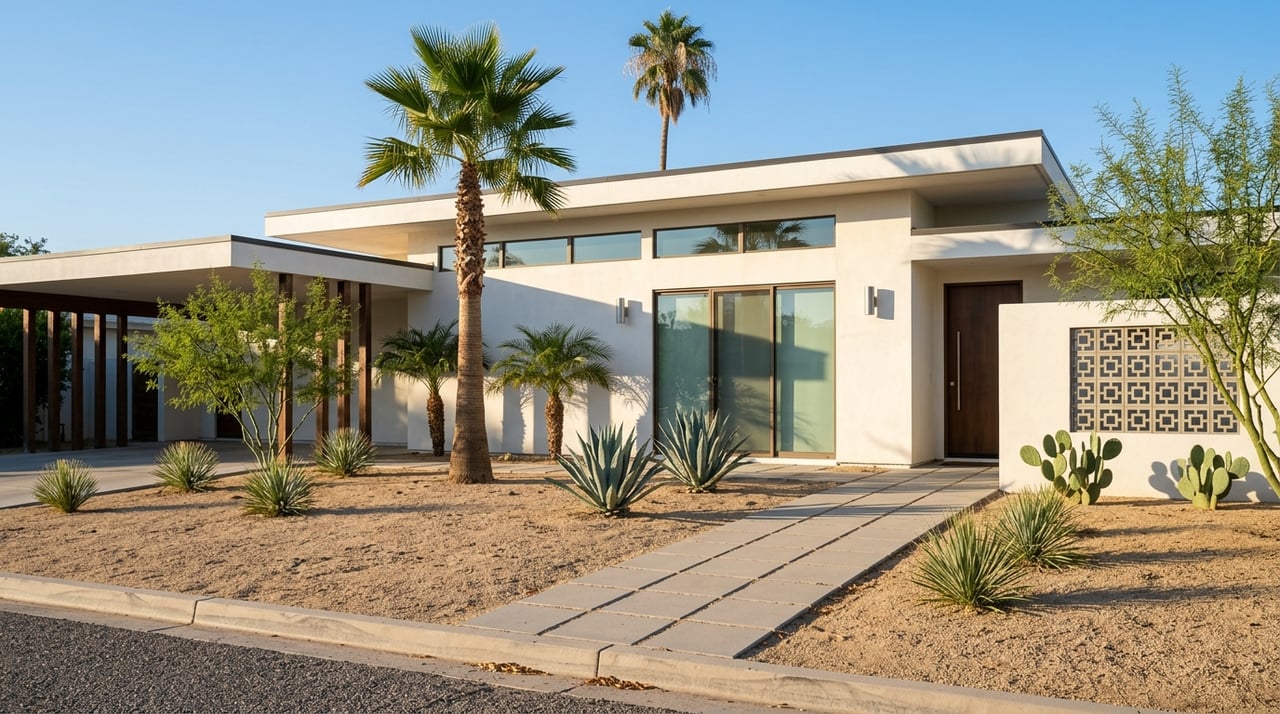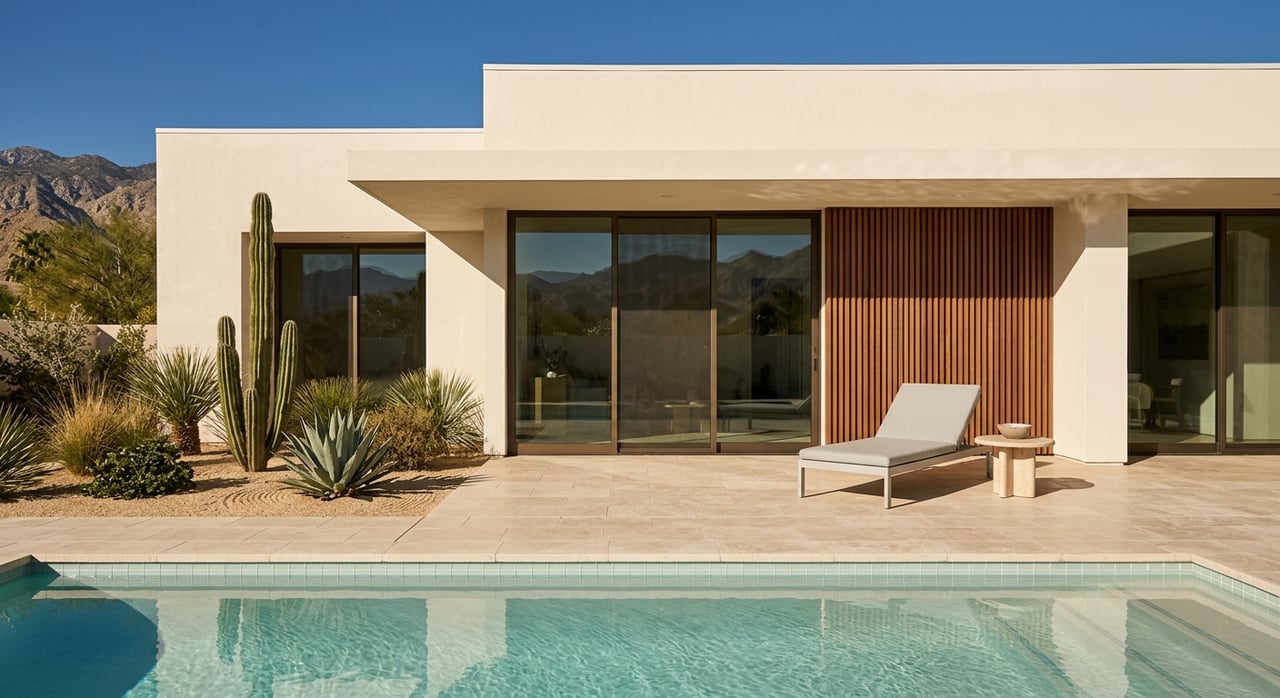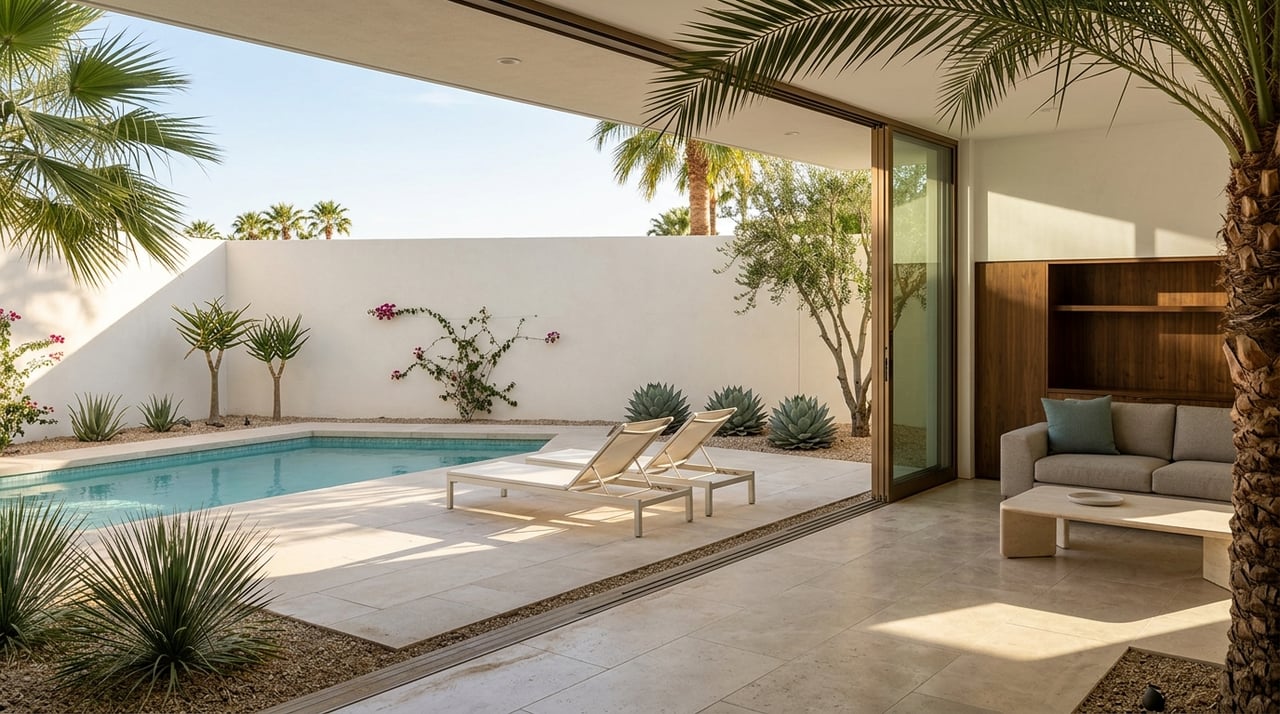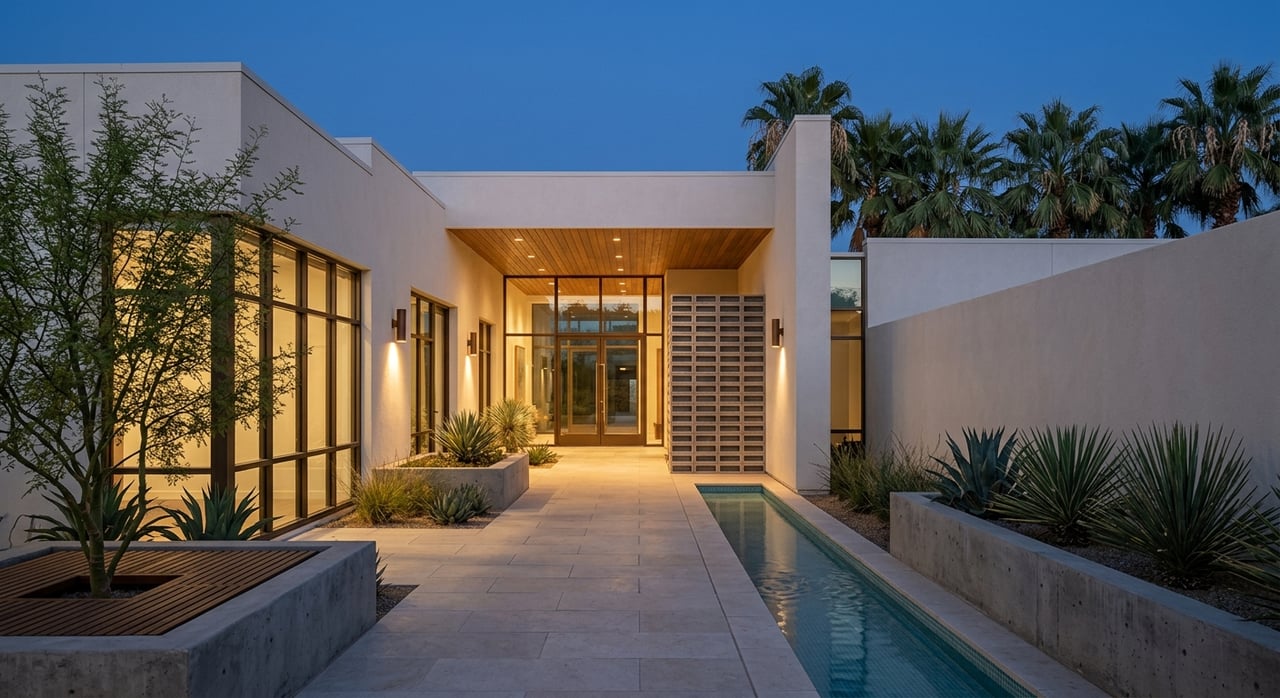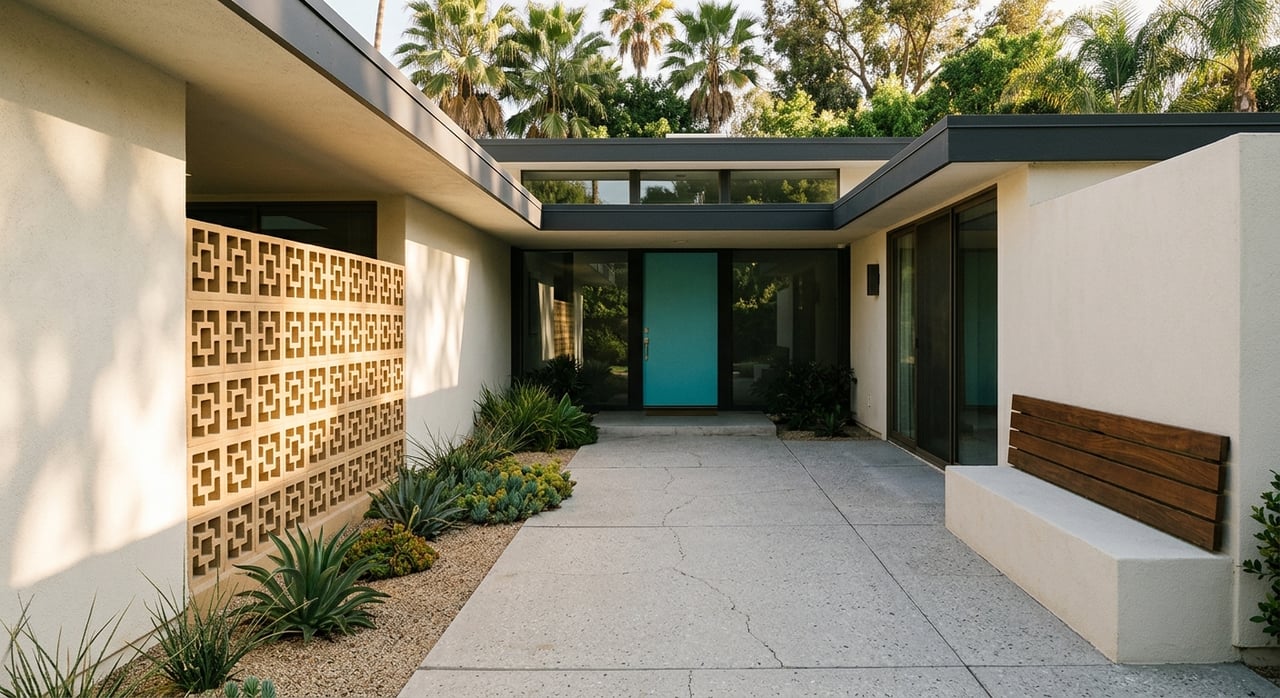
If you love clean lines, sun-filled rooms, and a home that feels tied to its setting, Palm Springs condo living can be hard to beat. For many buyers, the appeal is not just style. It is the mix of architecture, shared amenities, and a lower-maintenance ownership model that fits full-time, part-time, and seasonal use. If you are considering a mid-century condo in Palm Springs, this guide will help you understand what makes these properties special, what to review before you buy, and how to think about the details that matter most. Let’s dive in.
Why Palm Springs Fits Mid-Century Living
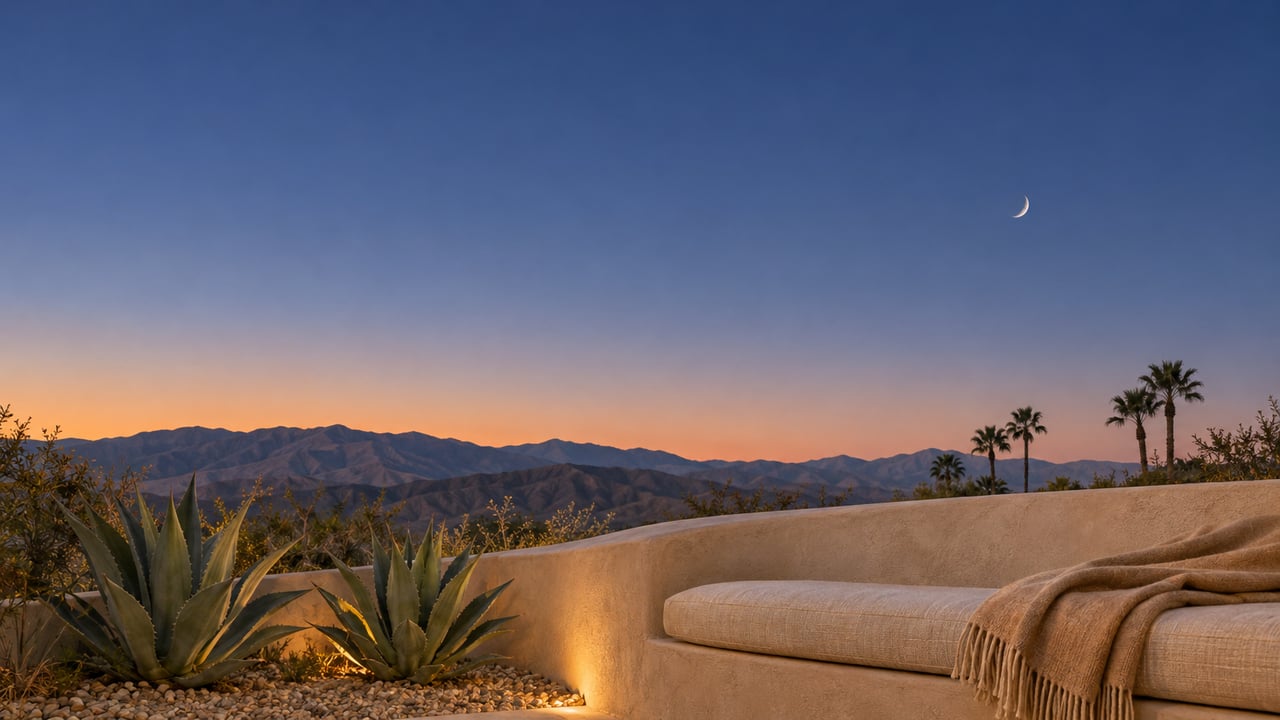
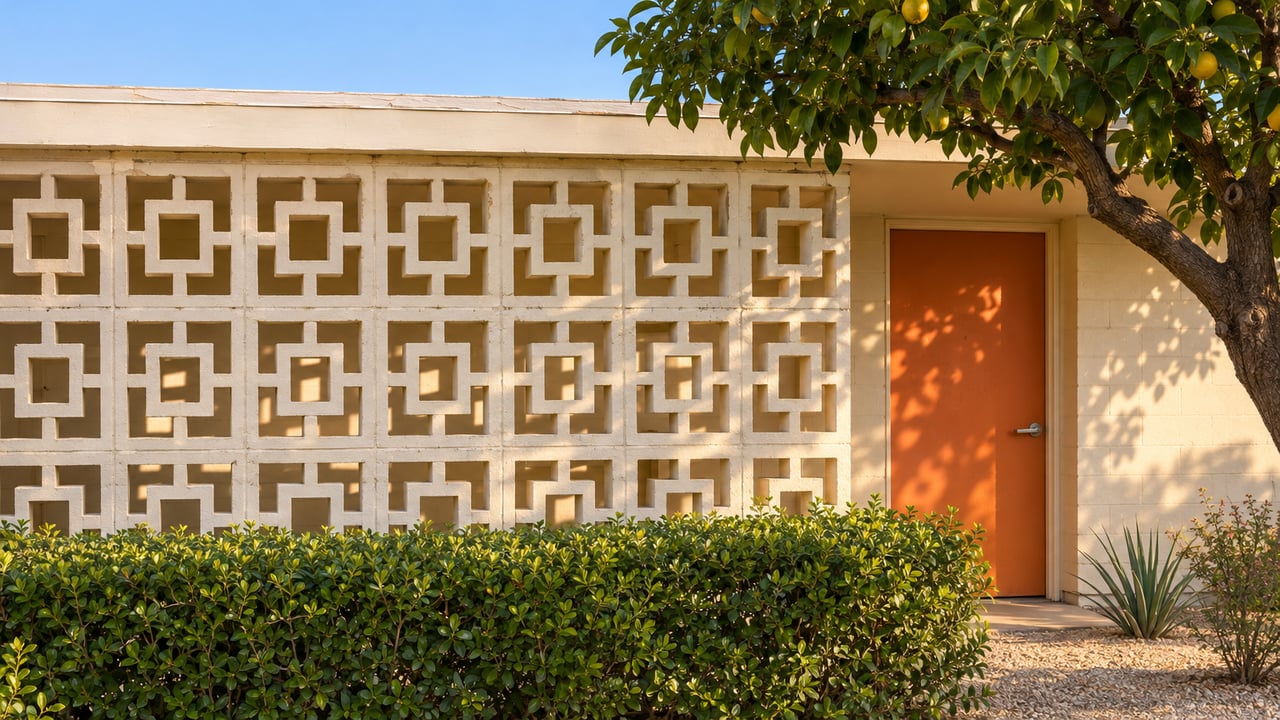
Palm Springs is one of the country’s most recognizable settings for mid-century design. The city openly centers its identity around midcentury modern architecture, design, and preservation, and Modernism Week reflects how deeply that design history is woven into the local culture.
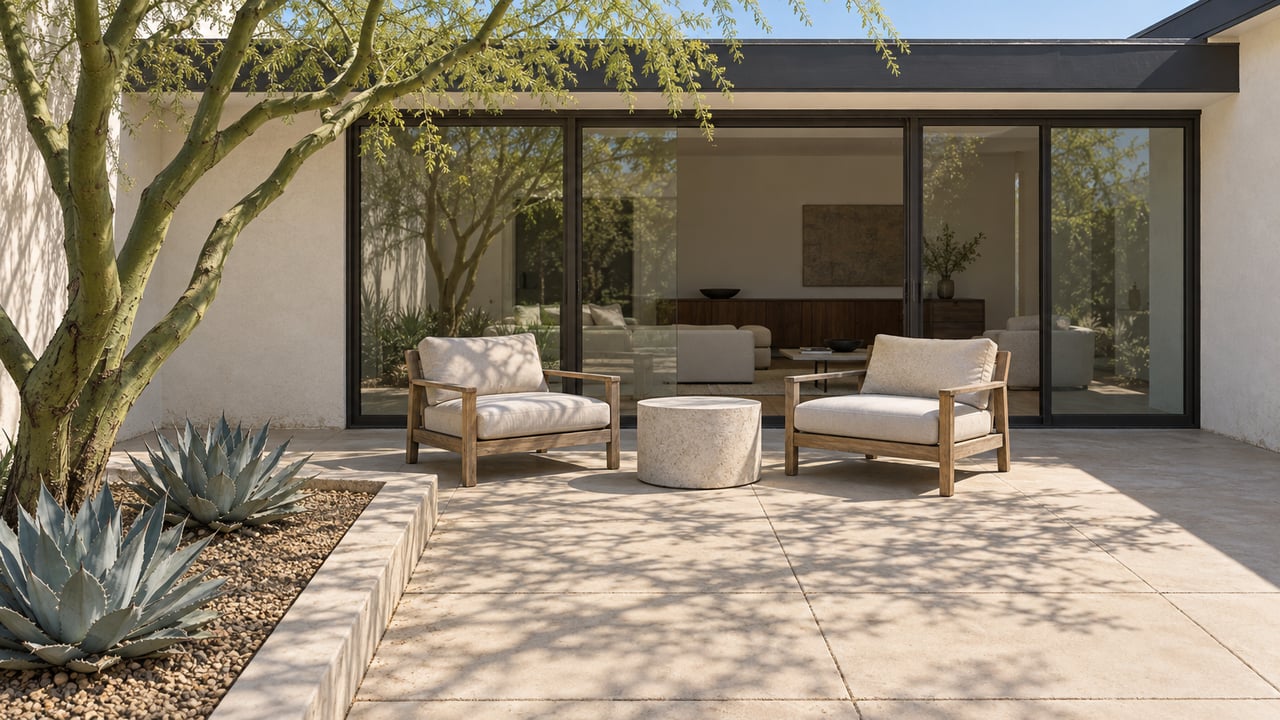
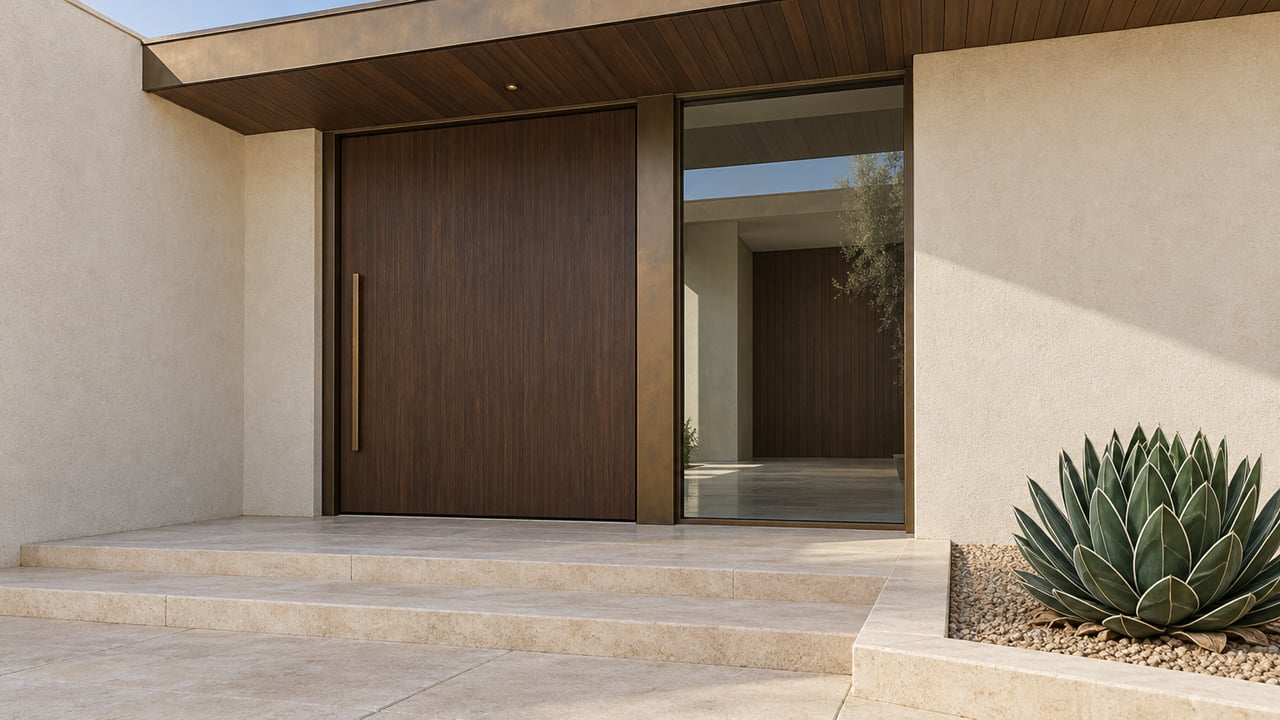
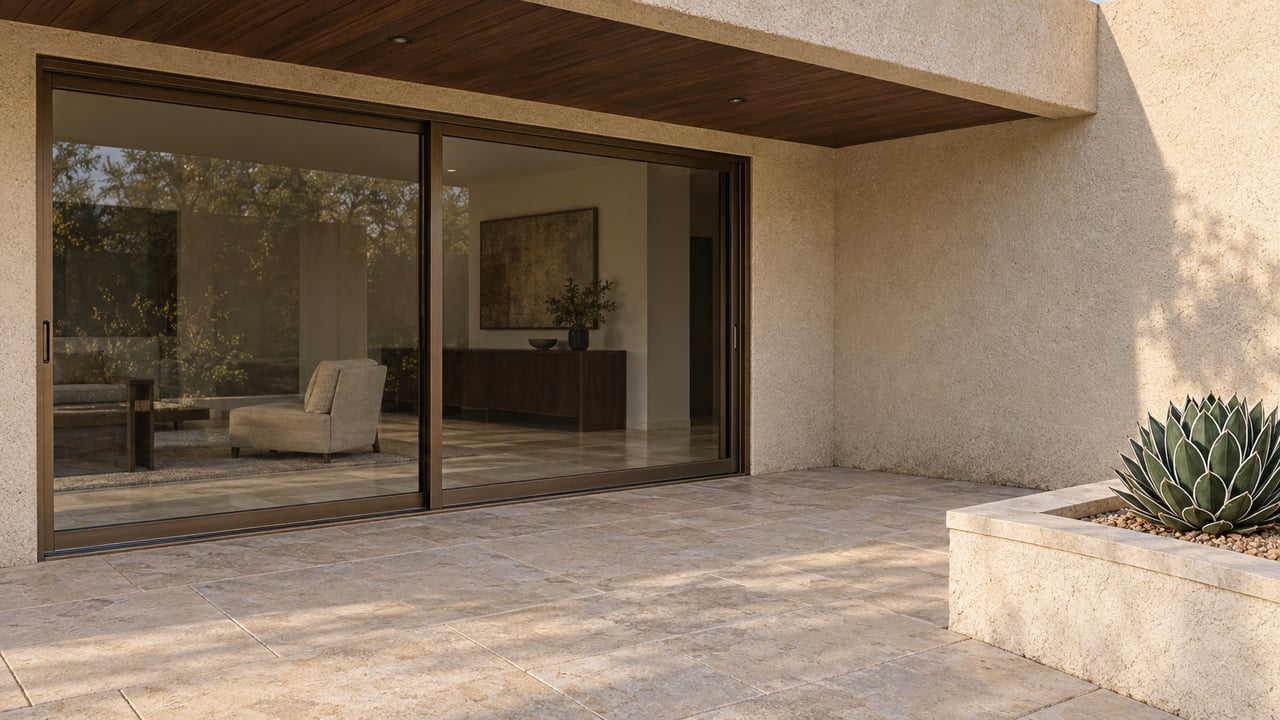
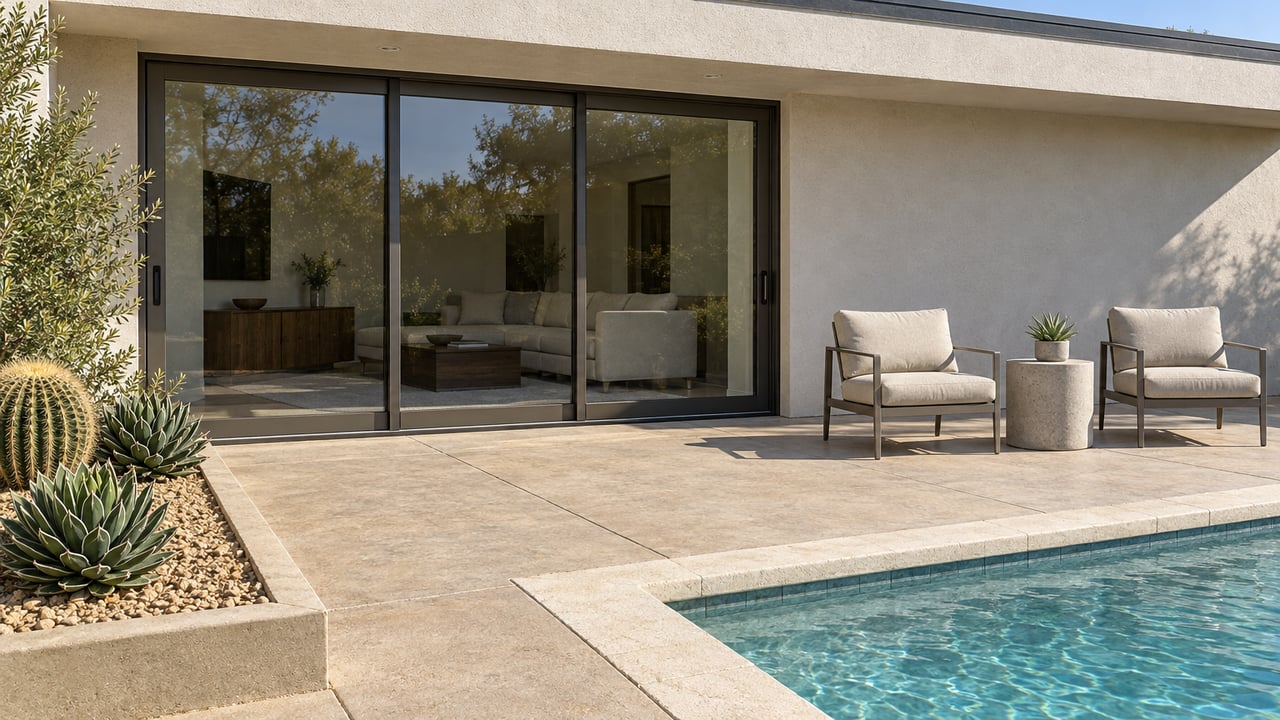
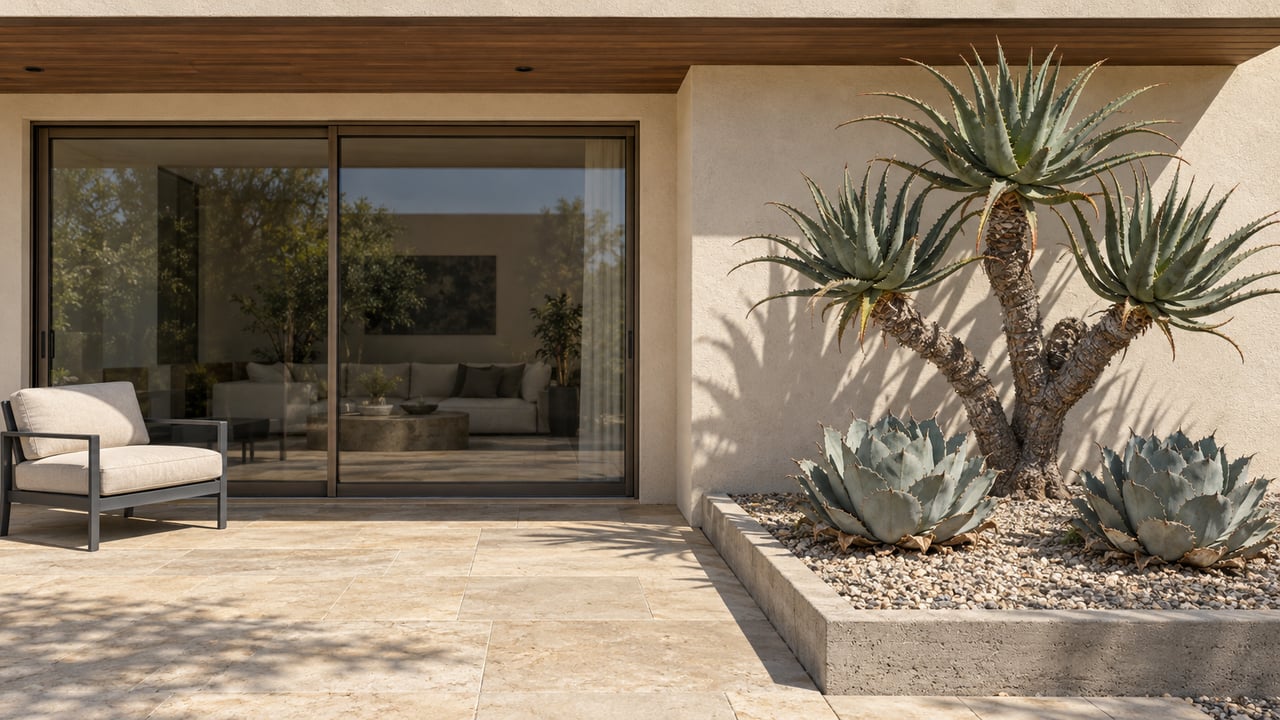
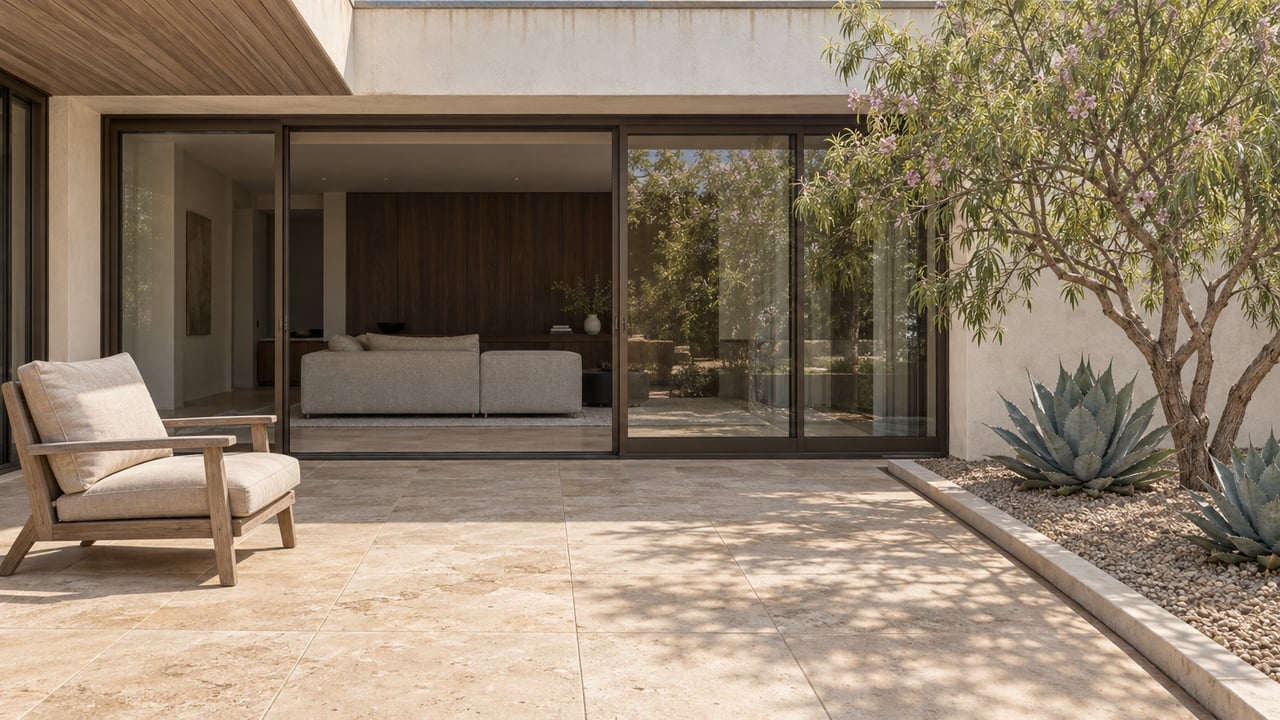
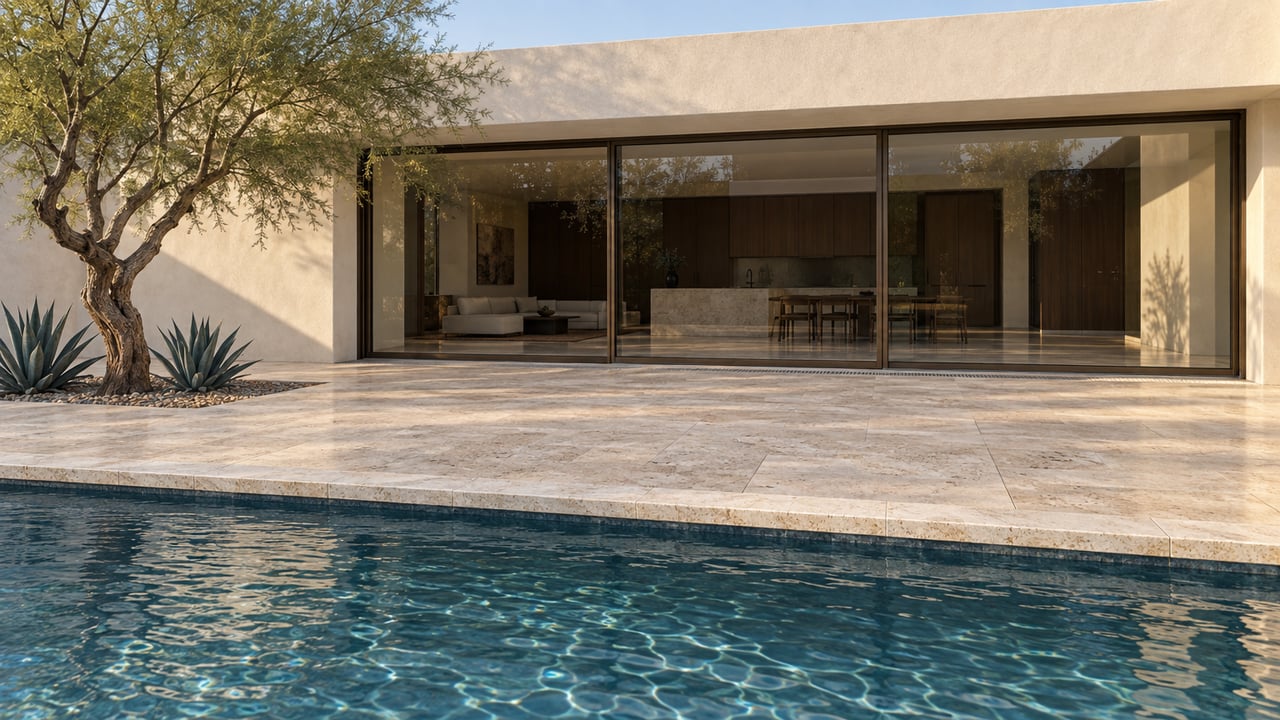
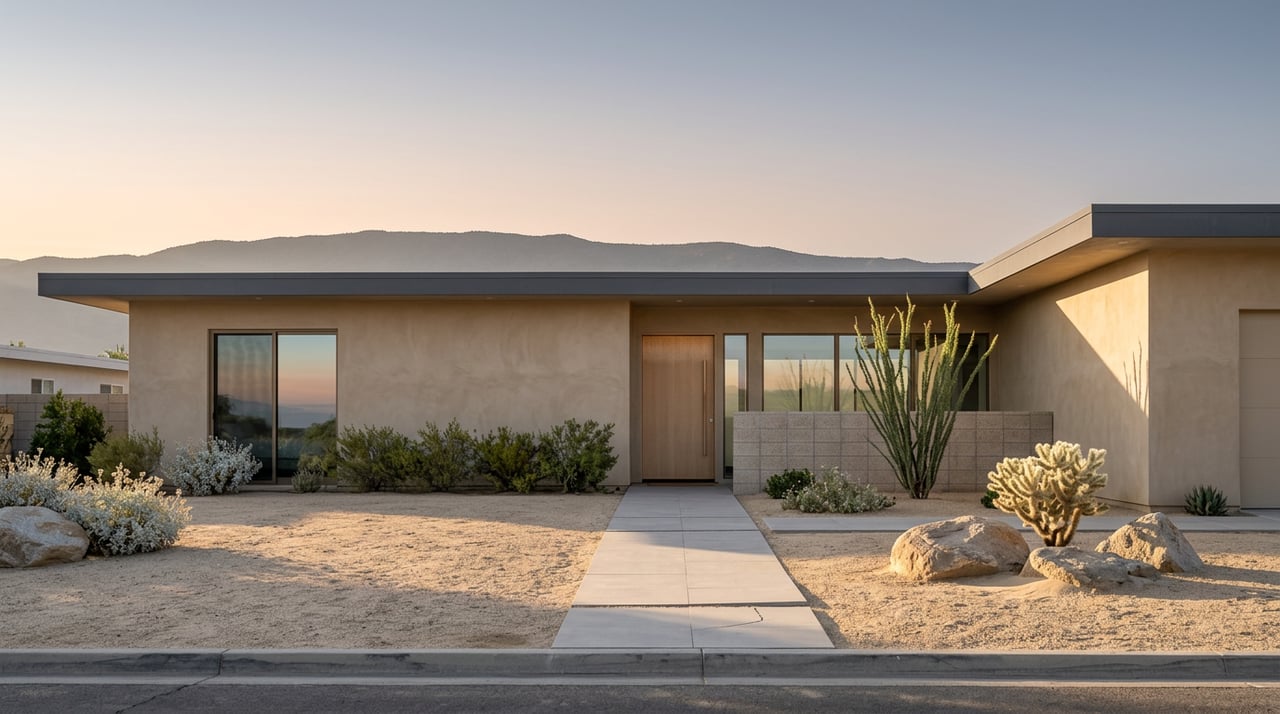
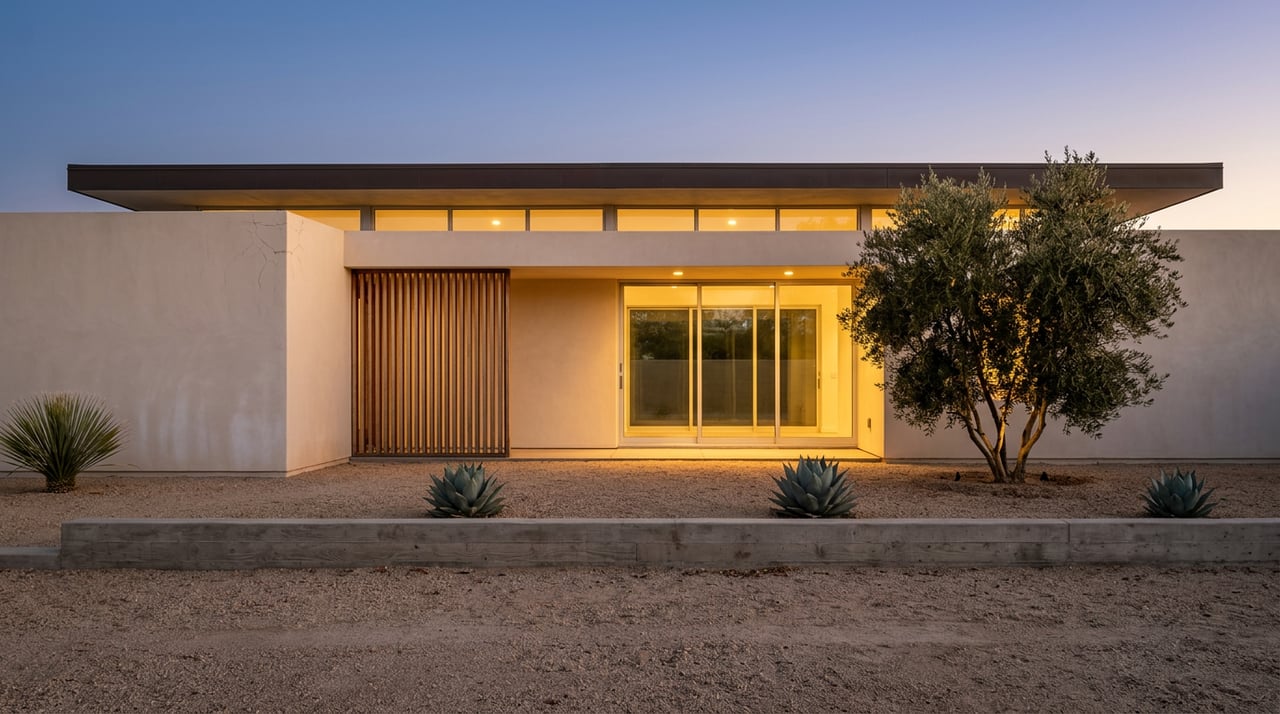
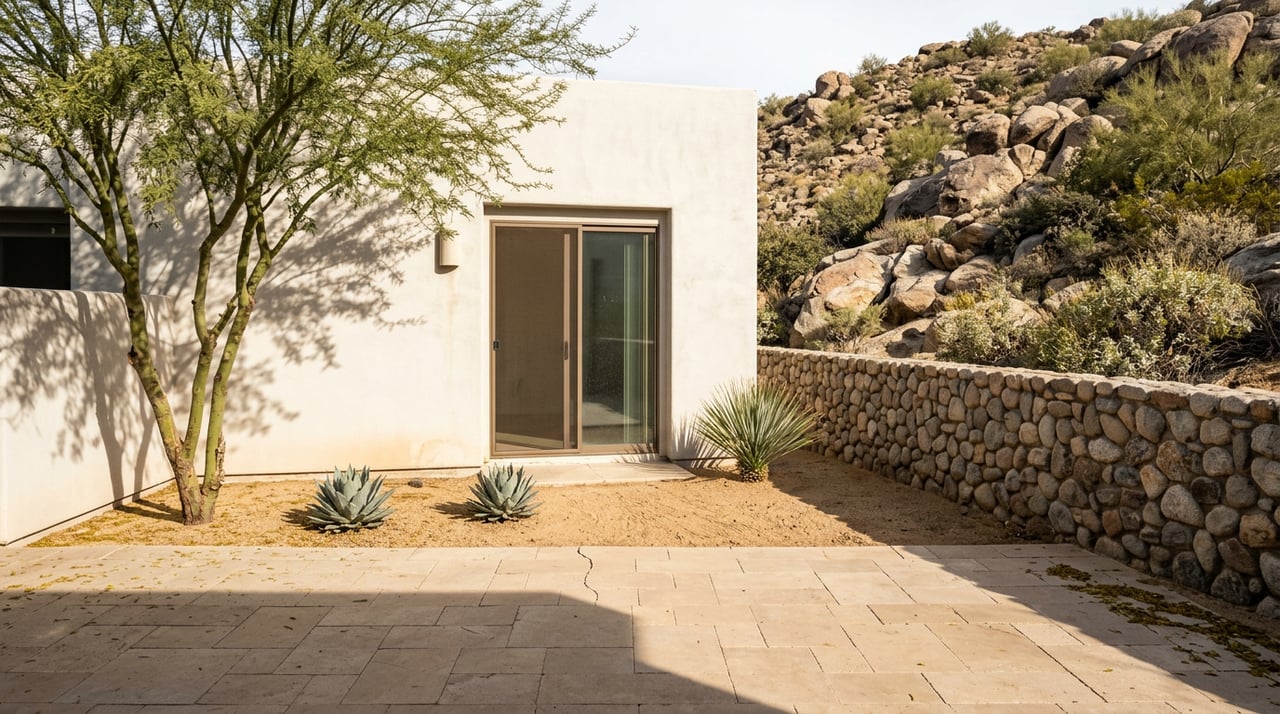
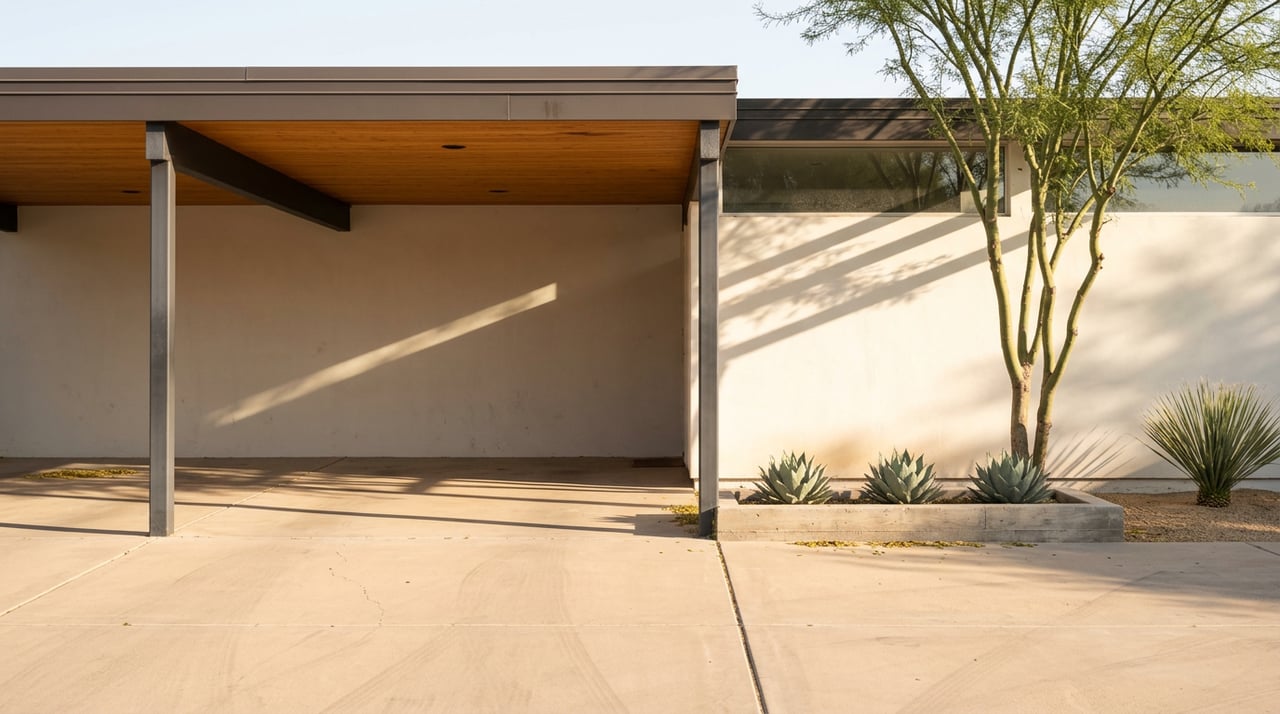
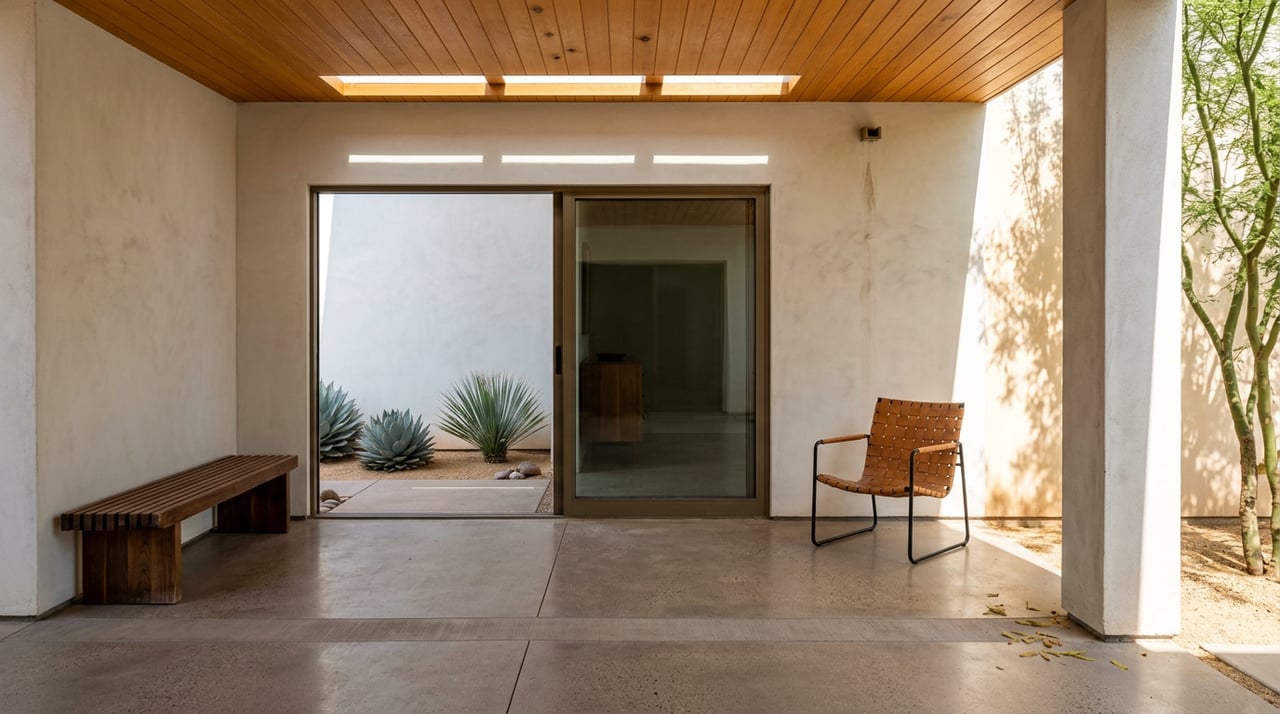
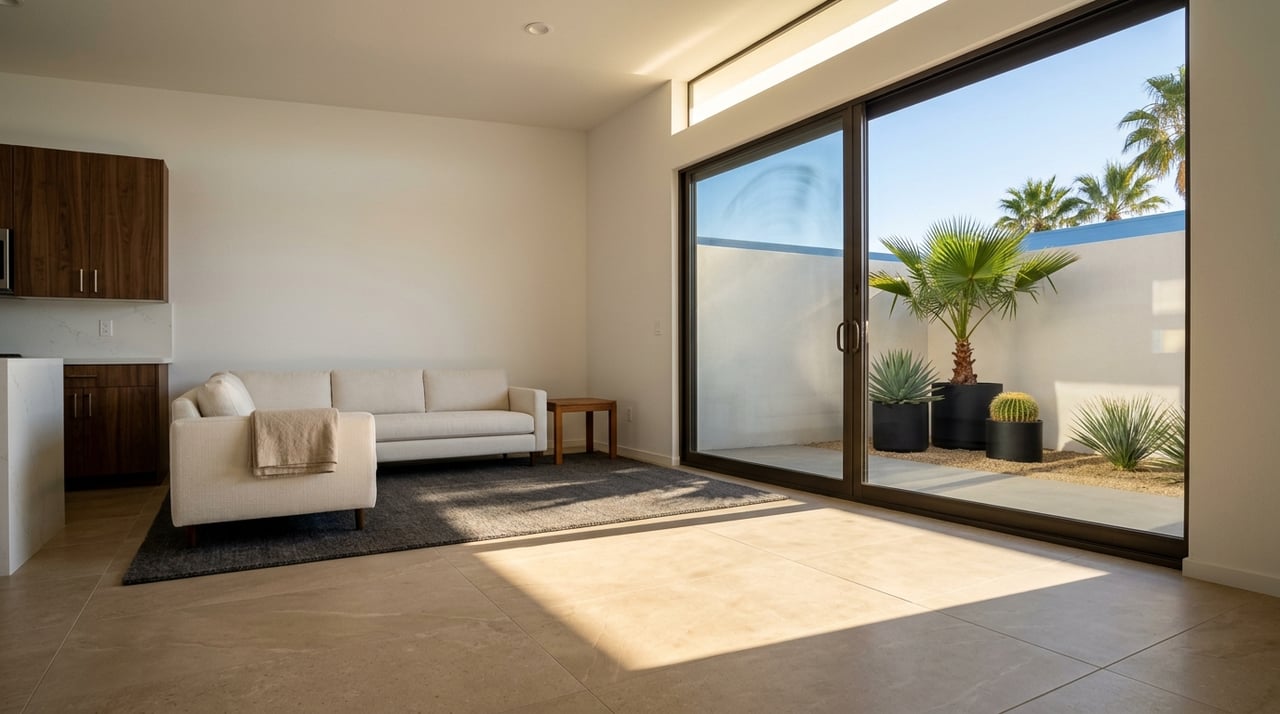
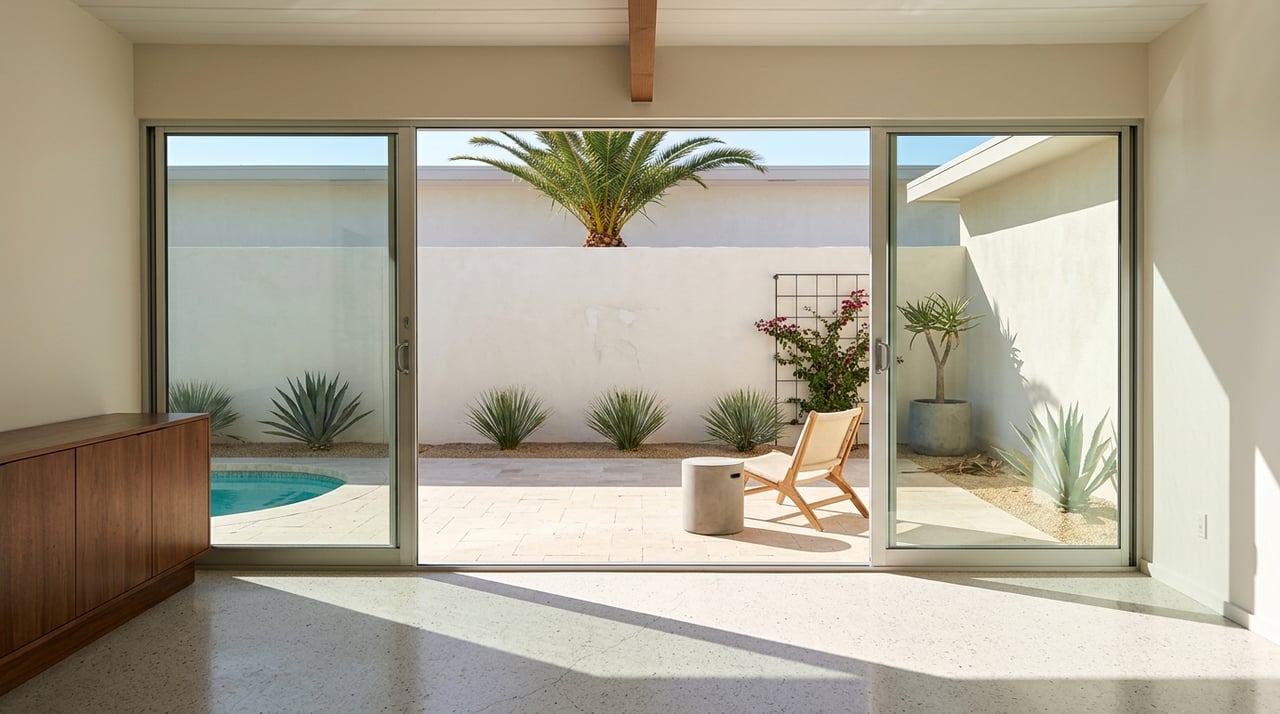
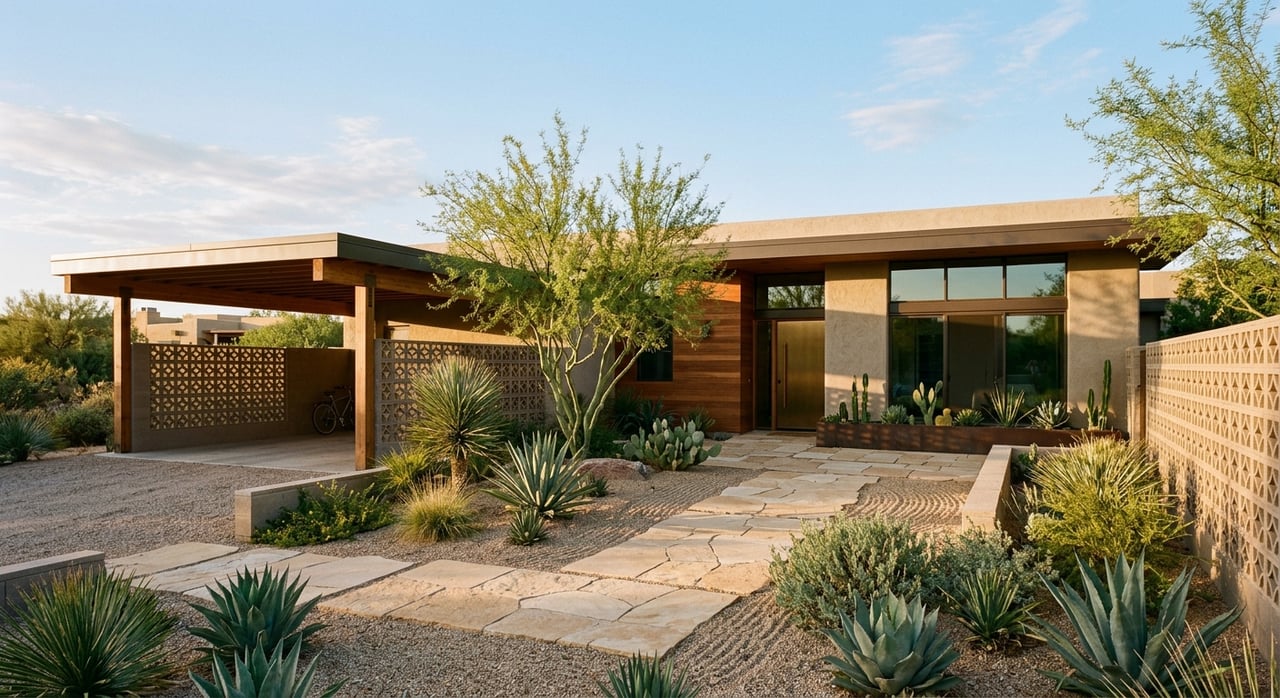
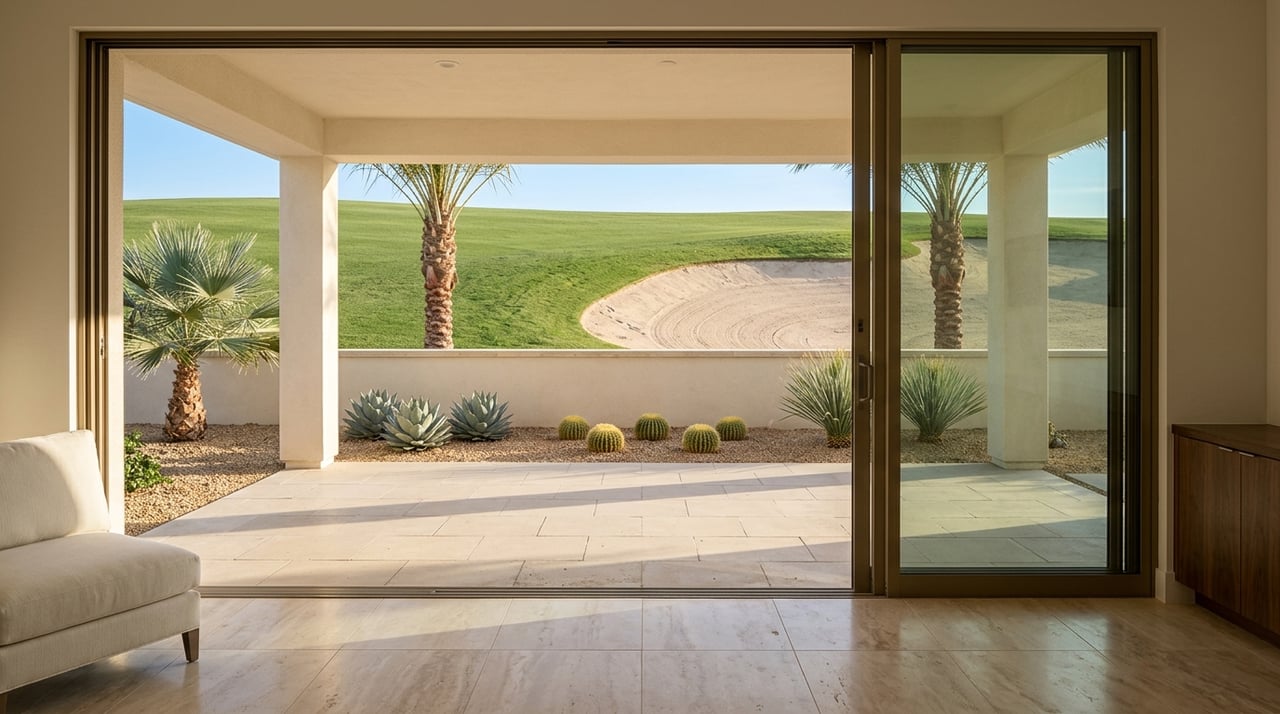
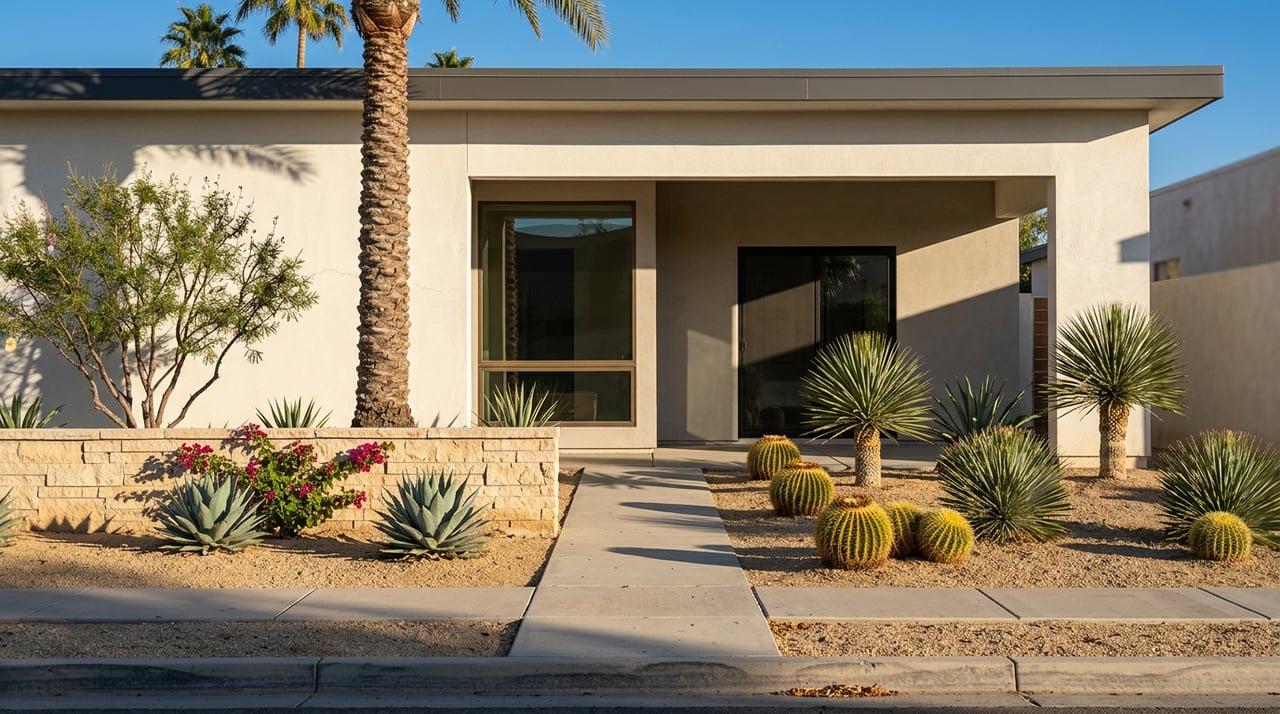
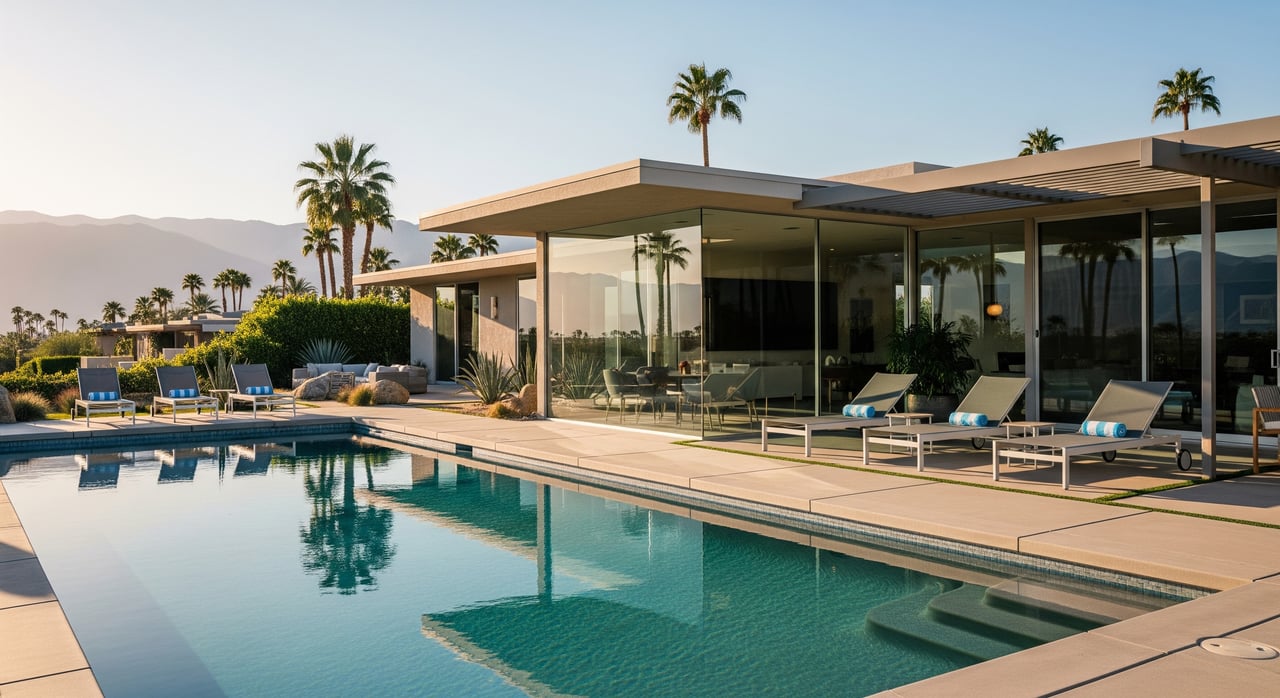
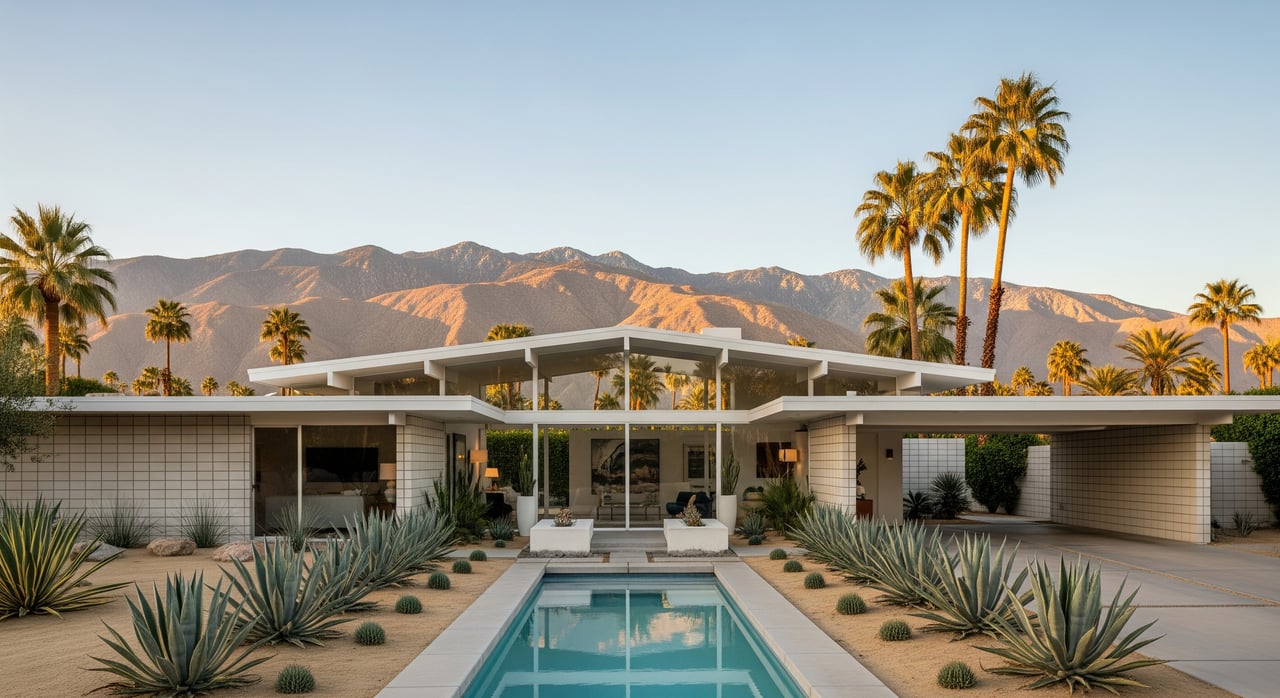
That architectural style works here for practical reasons too. As Visit Palm Springs notes in its overview of desert modernism, features like low-slung rooflines, butterfly roofs, extended eaves, floor-to-ceiling glass, breezeways, and durable desert-ready materials were responsive to climate as well as aesthetics.
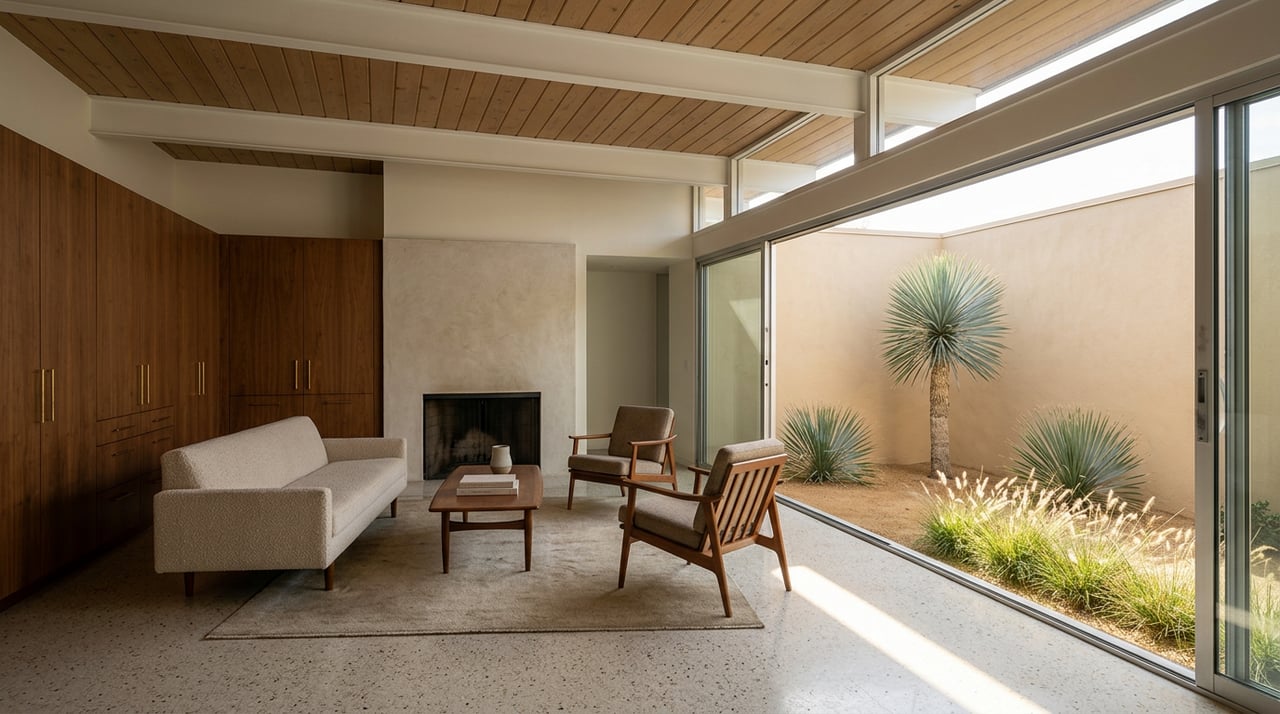
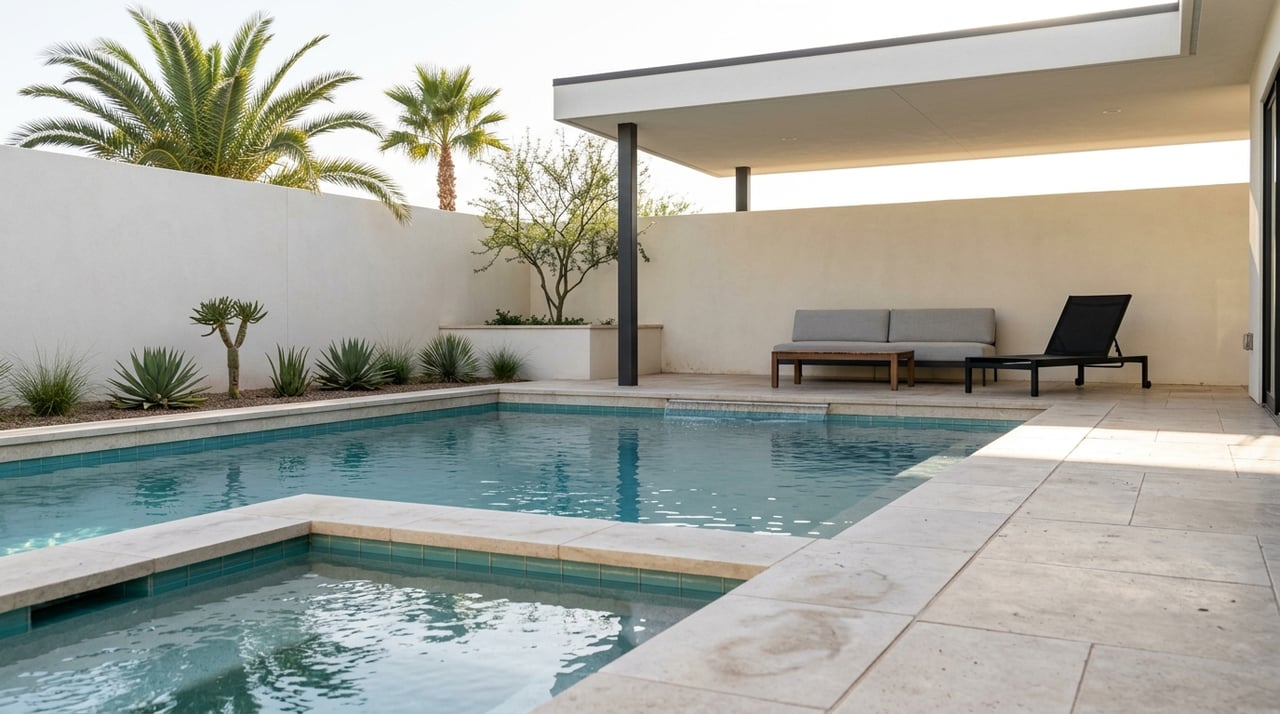
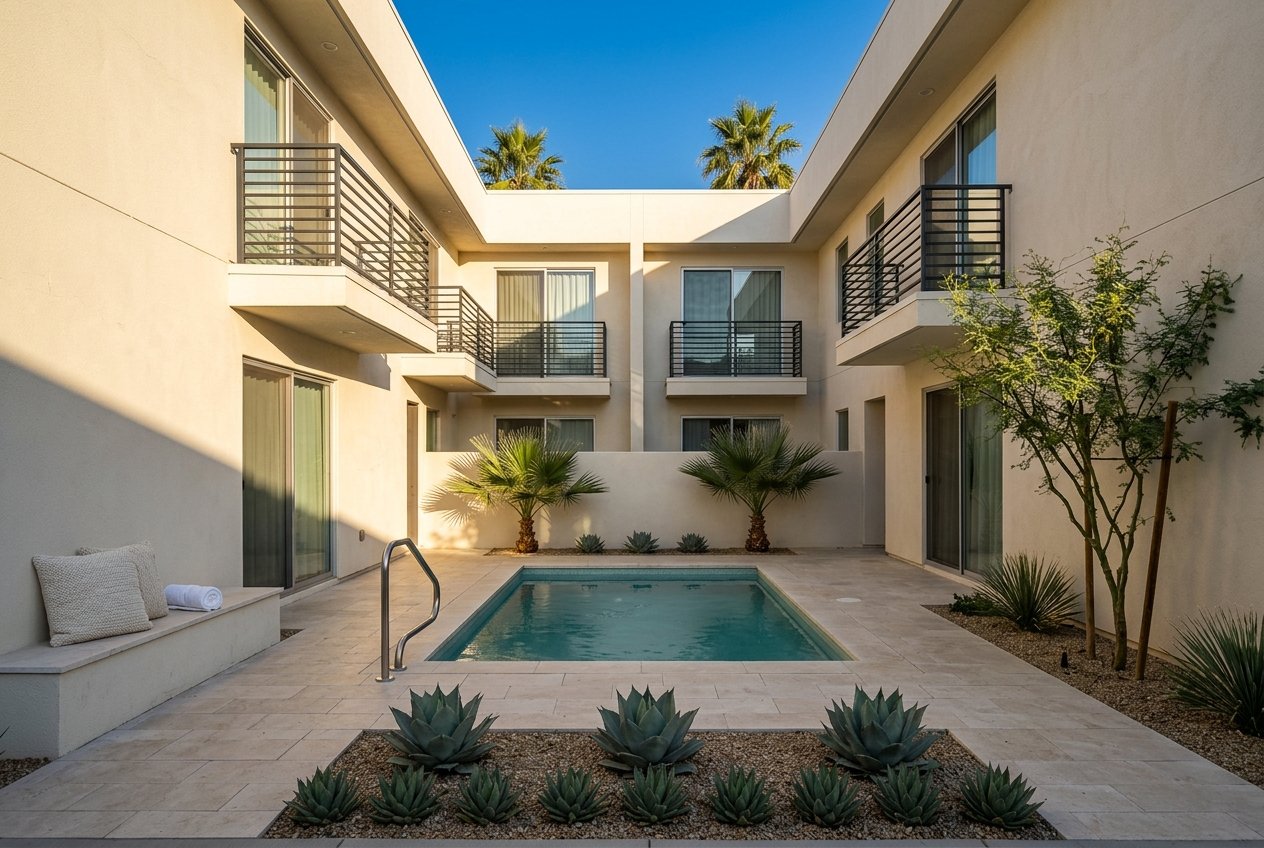
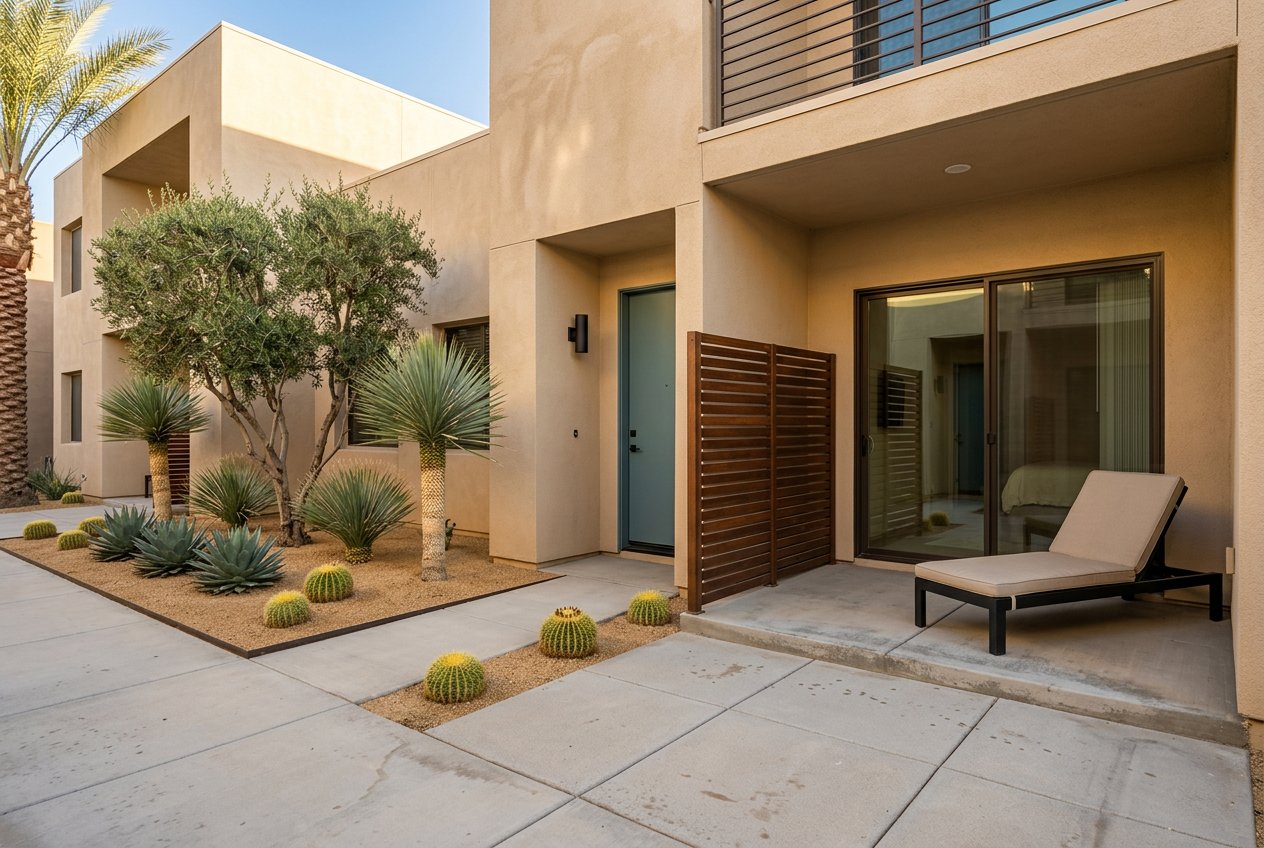
In condo communities, that same design language often shows up through low-rise buildings, open courtyards, shared green space, and strong indoor-outdoor connections. A notable local example is Racquet Club Cottages West, now Racquet Club Garden Villas, a 37-unit modernist condominium complex built in 1959-60 and later designated as a historic district.
What Makes Mid-Century Condos Appealing
For many buyers, a Palm Springs condo offers more than a stylish place to stay. It can also offer a more manageable ownership experience, especially if you want a second home or a lock-and-leave property for seasonal use.
According to Fannie Mae’s HOA overview, the homeowners association typically maintains common areas and elements and sets community rules. The Consumer Financial Protection Bureau also notes that HOA dues are generally paid separately from your mortgage.
That ownership structure can be especially useful if you do not want to handle all exterior or common-area upkeep yourself. The CFPB’s insurance guidance explains that the association may carry insurance for common areas, while you typically insure the interior of your unit.
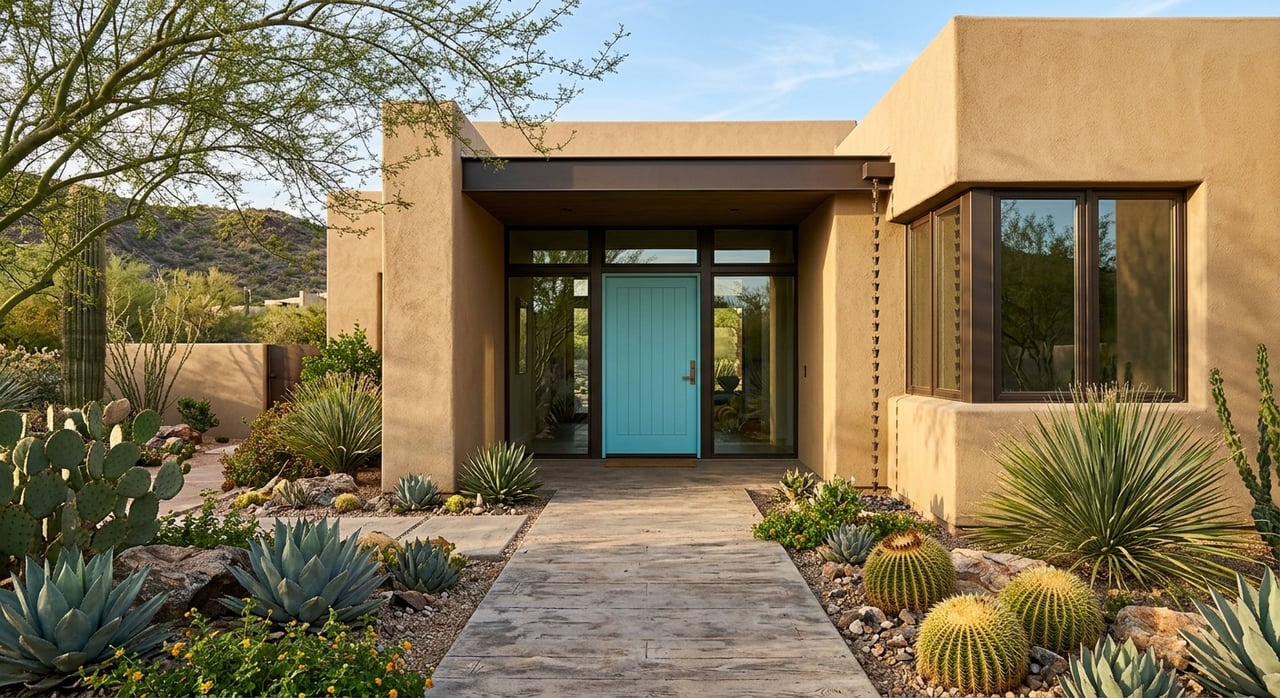
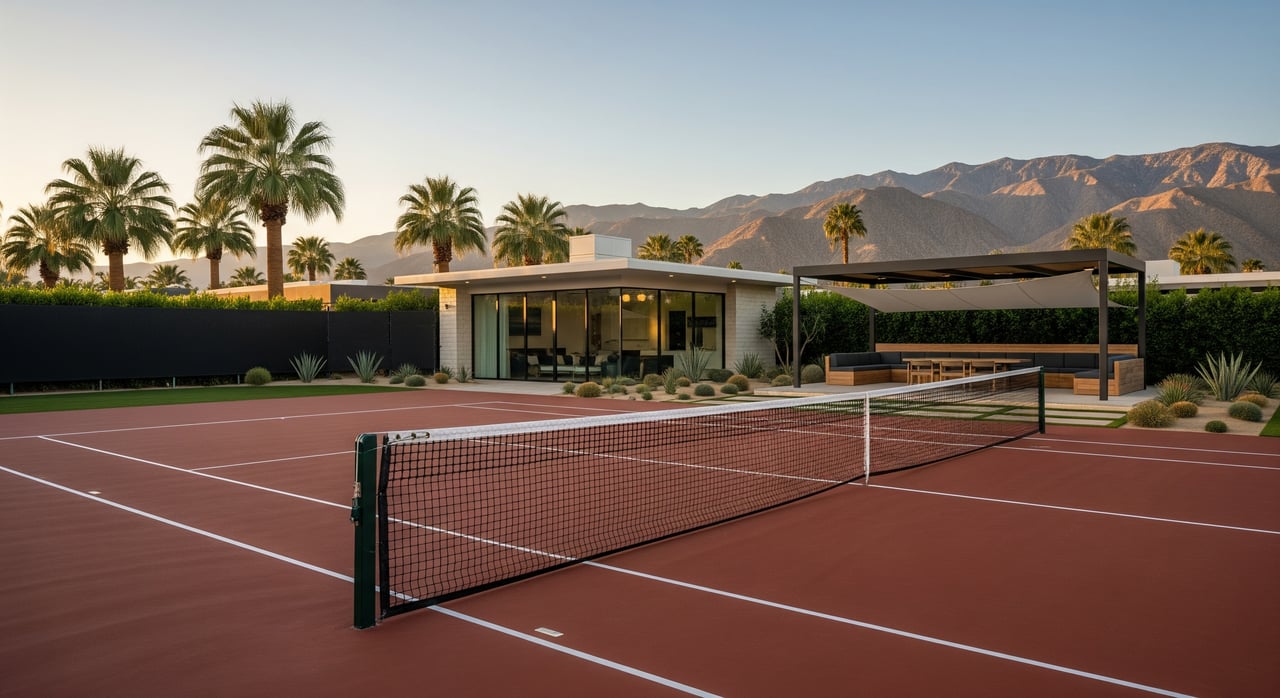
Design-minded buyers often appreciate something else too: in Palm Springs, the architecture is not limited to the unit itself. In some communities, the landscaping, pathways, courtyards, and open space are part of the original design story. That is part of what makes certain mid-century condo communities feel distinct from newer, more generic projects.
Why Condos Work for Part-Time Owners
If you plan to use your Palm Springs property seasonally, a condo can align well with that lifestyle. Shared maintenance responsibilities can make ownership feel more streamlined than a detached home, particularly when you are away for part of the year.
That does not mean condo ownership is carefree. You still need to understand the rules, the dues, the insurance structure, and the financial health of the association. But for many buyers, the tradeoff is worthwhile because the day-to-day maintenance burden is often reduced.
This is one reason condos continue to appeal to design-minded buyers, downsizers, and second-home owners in the Coachella Valley. You get access to a recognizable Palm Springs living experience while often simplifying some of the ongoing responsibilities that come with ownership.
How HOA Ownership Works in California
Before you buy into a California condo community, it helps to know what you are entitled to review. The California Department of Real Estate says buyers in common interest developments should expect documents covering mandatory membership, assessments, recreational facilities, voting rights, and the board’s powers.
The same DRE guidance says buyers should receive key association documents before purchase. These can include the CC&Rs, bylaws, current budget, estimated reserves, and information about delinquent assessments.
California law also requires annual budget reporting from associations. Under Civil Code Section 5300, that reporting includes a reserve summary, reserve funding plan, potential deferred repairs, expected special assessments, long-term loans, and a summary of association insurance. For condominium projects, it must also state FHA and VA approval status.
In practical terms, this means you should look beyond the monthly dues amount. The more important question is what those dues actually support and whether the association appears prepared for future repairs and replacement costs.
What to Review in Older Condo Communities
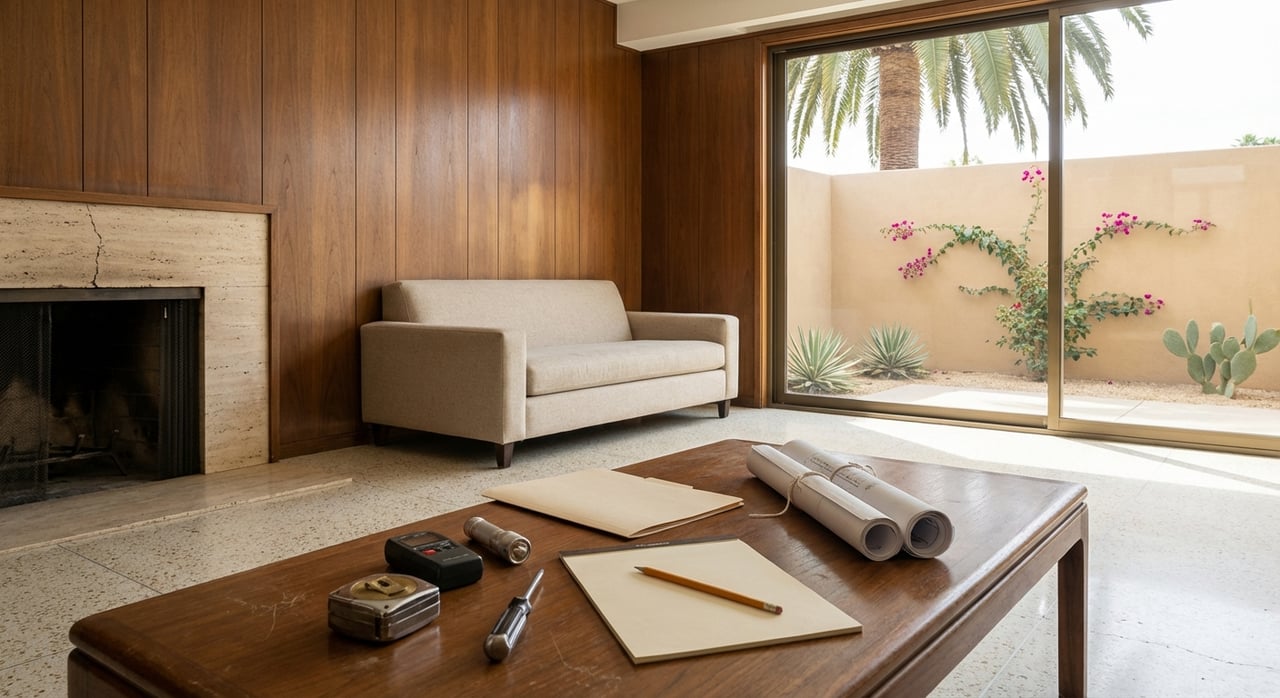
Many of Palm Springs’ most interesting condo properties are older, and that can be part of the charm. It can also mean you need to pay close attention to shared systems and deferred maintenance.
A useful checklist comes from the California DRE disclosure booklet, which highlights major systems such as the roof, waterproofing, plumbing, electrical, HVAC, and recreation facilities. Even when a property is not a condo conversion, these categories are helpful for evaluating an older building.
Reserve planning matters here as well. California requires reserve-study visual inspections at least every three years, and state law also sets inspection requirements for certain exterior elevated elements. In an older community, those requirements are part of the bigger picture of maintenance planning and association oversight.
Special assessments are another issue to ask about directly. Fannie Mae explains that these assessments may be used for major one-time expenses, structural repairs, or replacement of shared systems like common heating or air-conditioning.
Insurance and Historic Status Matter Too
Insurance can be easy to overlook until late in the process, but it deserves early attention. The CFPB notes that the association may insure common areas and exterior components, while you are typically responsible for coverage within your unit.
California’s required budget disclosures also call for a summary of association insurance, including property, liability, earthquake, flood, and fidelity policies under Civil Code Section 5300. That is useful context if you want a clearer picture of risk, responsibility, and possible gaps in coverage.
Historic district status can add another layer. Palm Springs has an active preservation culture, and the city’s Historic Resources program is designed to preserve places that reflect local cultural and architectural history.
If a condo community sits within a historic district, that status may be part of its appeal, but it can also affect how exterior changes are handled. The city explains that owners in historic districts may face an extra review step before a building permit is issued for exterior work, as outlined in its historic district design review materials.
Questions to Ask Before You Buy
When you tour a mid-century condo in Palm Springs, style is often what gets your attention first. Before you move forward, make sure you balance that excitement with clear due diligence.
Here are a few smart questions to ask:
- What do the HOA dues cover?
- Is there a recent reserve study or reserve summary?
- Are any special assessments planned or being discussed?
- What major repairs have been completed recently?
- Is the project FHA or VA approved?
- What insurance does the association carry?
- Is the community in a historic district or subject to design review?
These questions are grounded in the same California disclosure framework and consumer guidance that shape condo ownership statewide. They can help you compare communities more clearly and avoid surprises after closing.
The Right Fit Is Style Plus Structure
The best Palm Springs mid-century condo is not just the one with the best lines or the most photogenic courtyard. It is the one where the design, financial structure, maintenance outlook, and ownership rules all make sense for your goals.
If you are buying for seasonal use, you may focus on ease of ownership and predictable upkeep. If you are drawn to architectural provenance, you may care more about historic designation, original design elements, and how the community has preserved its character over time.
Either way, the most confident decision comes from understanding both the lifestyle and the paperwork. That is where thoughtful local guidance can make a real difference.
If you are exploring mid-century condo living in Palm Springs and want clear, tailored advice, connect with Roger Gendron. You will get knowledgeable guidance shaped by local market insight, architectural context, and careful attention to the details that matter in your next chapter.
FAQs
What is special about mid-century condos in Palm Springs?
- Mid-century condos in Palm Springs often combine climate-responsive desert modern design with shared courtyards, landscaped open space, and a strong connection to the city’s architectural identity.
What should you review before buying a Palm Springs condo?
- You should review HOA dues, CC&Rs, bylaws, reserve information, planned special assessments, insurance summaries, and any historic district or design review requirements.
How do HOA dues work in a California condo community?
- HOA dues are usually paid separately from your mortgage and help fund common-area maintenance, shared services, and other association responsibilities.
Why can older Palm Springs condo buildings need extra due diligence?
- Older communities may require closer review of shared systems like roofing, plumbing, electrical, HVAC, waterproofing, reserves, and potential special assessments.
Does historic district status affect a Palm Springs condo?
- Yes. Historic district status can add value and character, but exterior changes may require an extra city review step before permits are issued.
Are Palm Springs condos a good option for part-time owners?
- They can be a practical option for part-time owners because the HOA typically manages common areas and some shared maintenance responsibilities, which may support a lock-and-leave lifestyle.