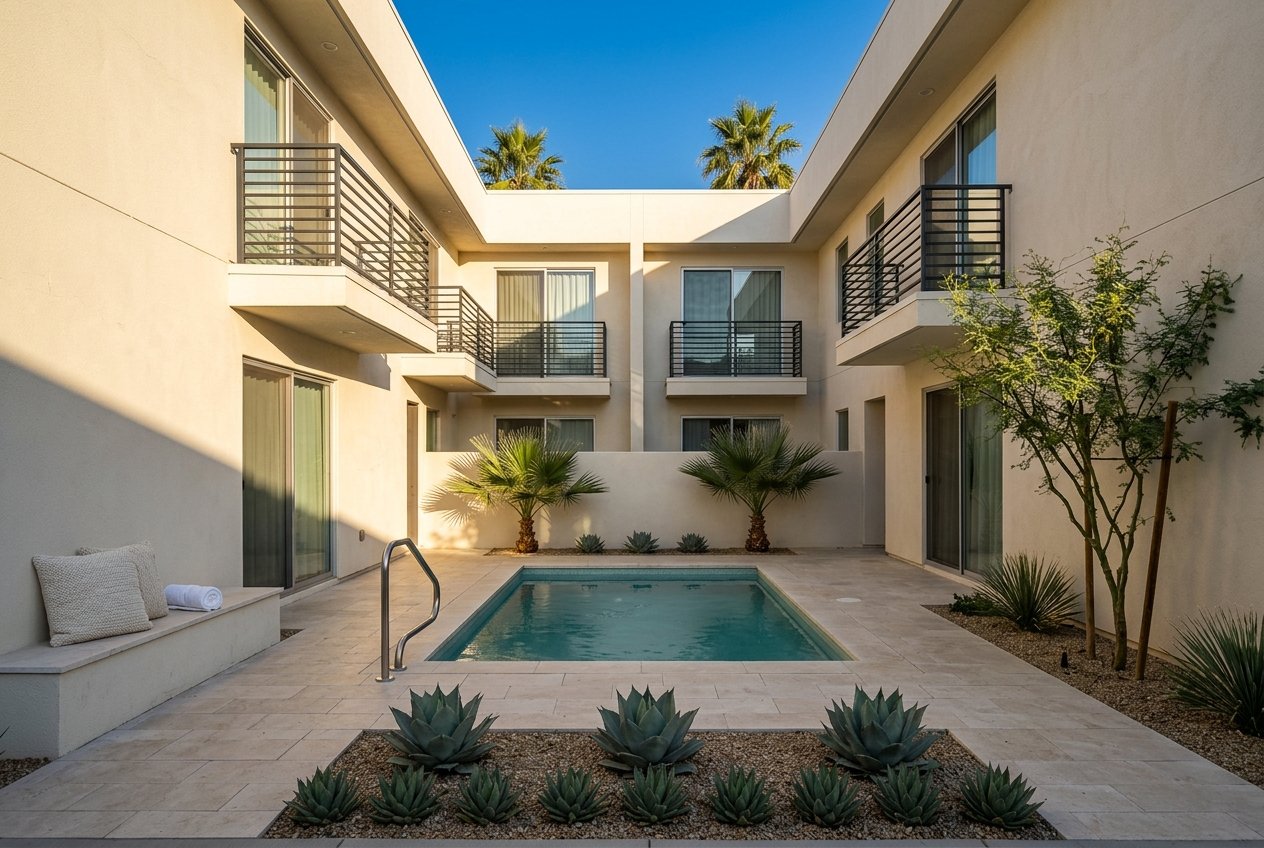
Thinking about buying a Mills Act home in Palm Springs? You are likely drawn to the architecture and the potential tax savings, but you also want clarity on obligations, inspections, and long‑term value. In this guide, you will learn exactly how Mills Act taxes are calculated, what documents to review, which inspections to prioritize for mid‑century homes, and how lenders view these properties. Let’s dive in.
What the Mills Act does
The Mills Act allows cities and counties in California to enter into a historic‑property contract with private owners in exchange for preservation commitments and potential property‑tax reductions. Contracts have a minimum 10‑year term, renew automatically each year, and they run with the land, which means they bind future owners too. You should expect both benefits and responsibilities to transfer when you buy a Mills Act property. For a clear overview, see the state’s program page from the Office of Historic Preservation.
- Learn the basics on the state program overview: California Office of Historic Preservation, Mills Act
How your property taxes are calculated
With a Mills Act contract, the County Assessor must use the income‑capitalization method described in California Revenue and Taxation Code section 439.2. In simple terms, the assessor estimates fair market rent, subtracts allowed operating expenses to arrive at net operating income, then divides by a prescribed capitalization rate to get an assessed value. The calculation is formal, not a flat discount from market value, and inputs can change over time.
- See the full valuation method and examples in the California State Board of Equalization guidance.
Palm Springs materials note that some owners have seen roughly 40 to 60 percent reductions, but outcomes vary by property and assumptions. Always request a parcel‑specific estimate from the Riverside County Assessor before you rely on projected savings. Special assessments, including Mello‑Roos where applicable, are billed separately and are not altered by the Mills Act formula.
Palm Springs program rules to verify
Palm Springs sets local eligibility, application requirements, and contract administration. Commonly eligible properties include Class 1 historic sites, contributing structures in a City historic district, and sites listed on the National Register. Class 2 resources where the feature still exists may also qualify.
- Explore the City’s historic resources and contacts: Palm Springs Historic Resources
- Read the City’s Mills Act technical bulletin and FAQs: Palm Springs Technical Assistance Bulletin: Mills Act
If a property is a condo or any community where the HOA manages or shares exterior maintenance, Palm Springs requires the HOA to be a signatory on the contract. That consent should appear in your due‑diligence packet.
The buyer’s due diligence packet
Ask the seller or listing agent for a complete set of documents before you remove contingencies. The City’s own checklists point to what you should see in a thorough file.
- Recorded Mills Act contract with all attachments, including the signed workplan that details projects, costs, and target years for completion. The recorded agreement controls what is required.
- Last five‑year inspection report(s) and any City correspondence about compliance or corrective work.
- Building permits, invoices, and progress photos for any completed work listed in the contract workplan. The City may ask for this documentation at inspection.
- Recent property‑tax bills, assessment notices, and a written parcel‑specific Mills Act estimate from the Riverside County Assessor. Confirm how any special assessments are billed.
- Preliminary title report showing the recorded Mills Act contract and any other encumbrances.
- HOA documents, including CC&Rs and the HOA’s written consent to the contract if exterior obligations are shared.
For process details and required submittals, review the City’s application checklist. It outlines owner letters, HOA letters when applicable, deeds, photographs, site plan, and the Capital Improvements, Restoration, and Maintenance Plan.
- See the current checklist and submittal items: Palm Springs Mills Act Application Checklist
Inspection priorities for mid‑century homes
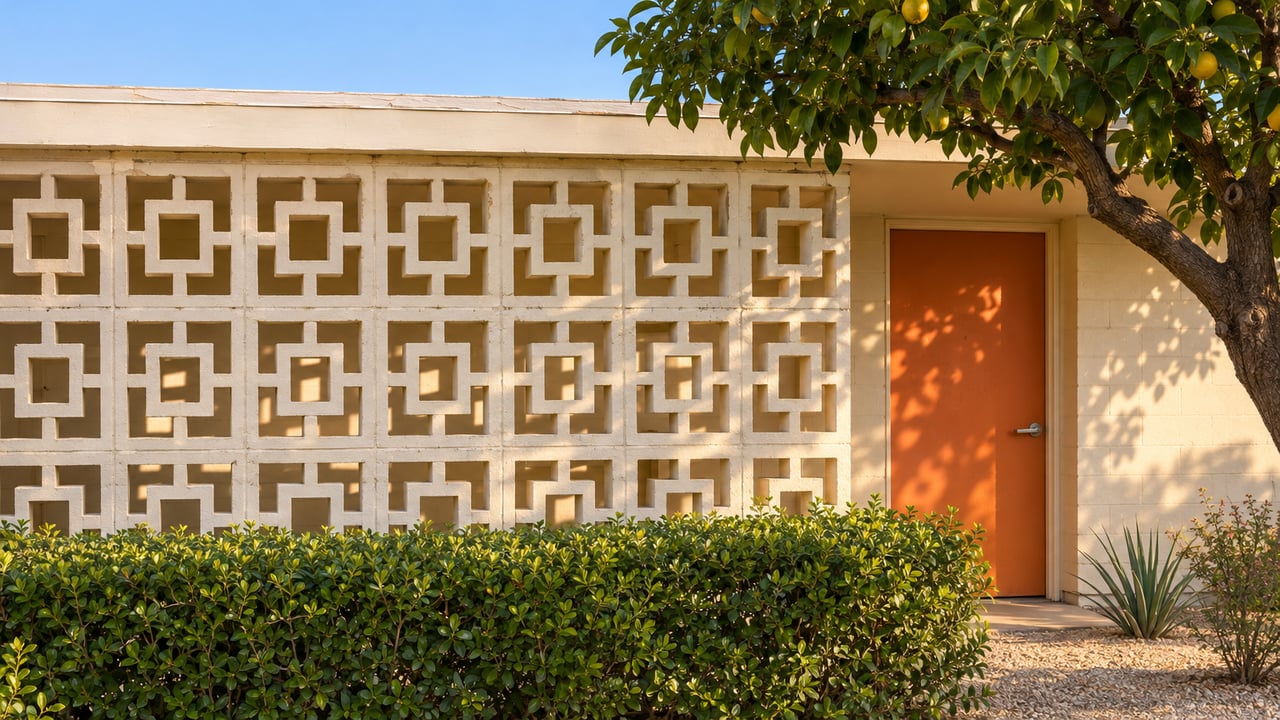
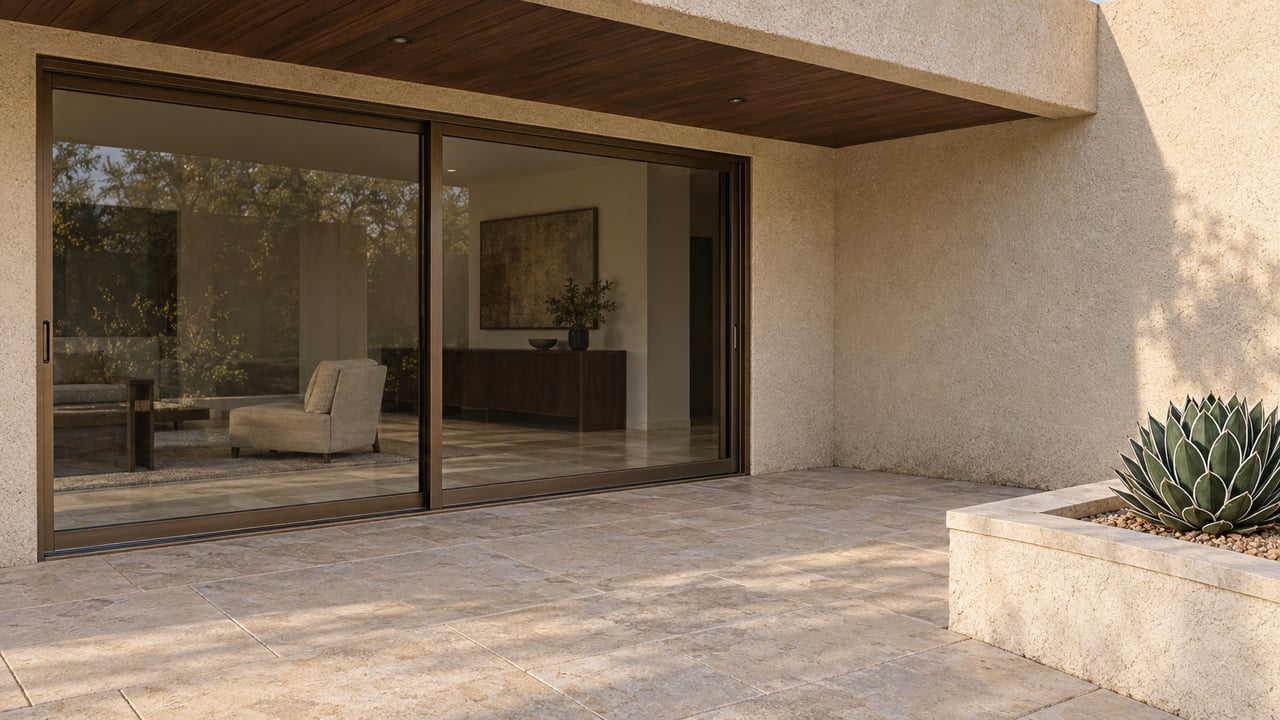
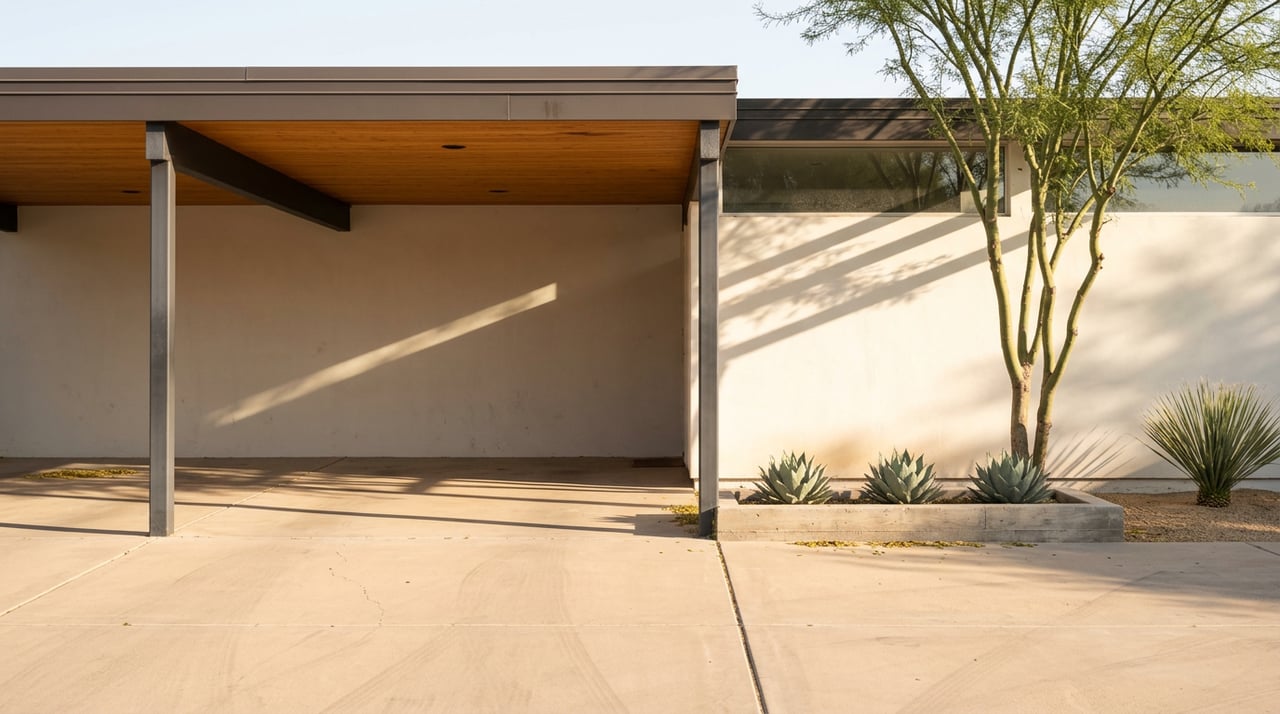
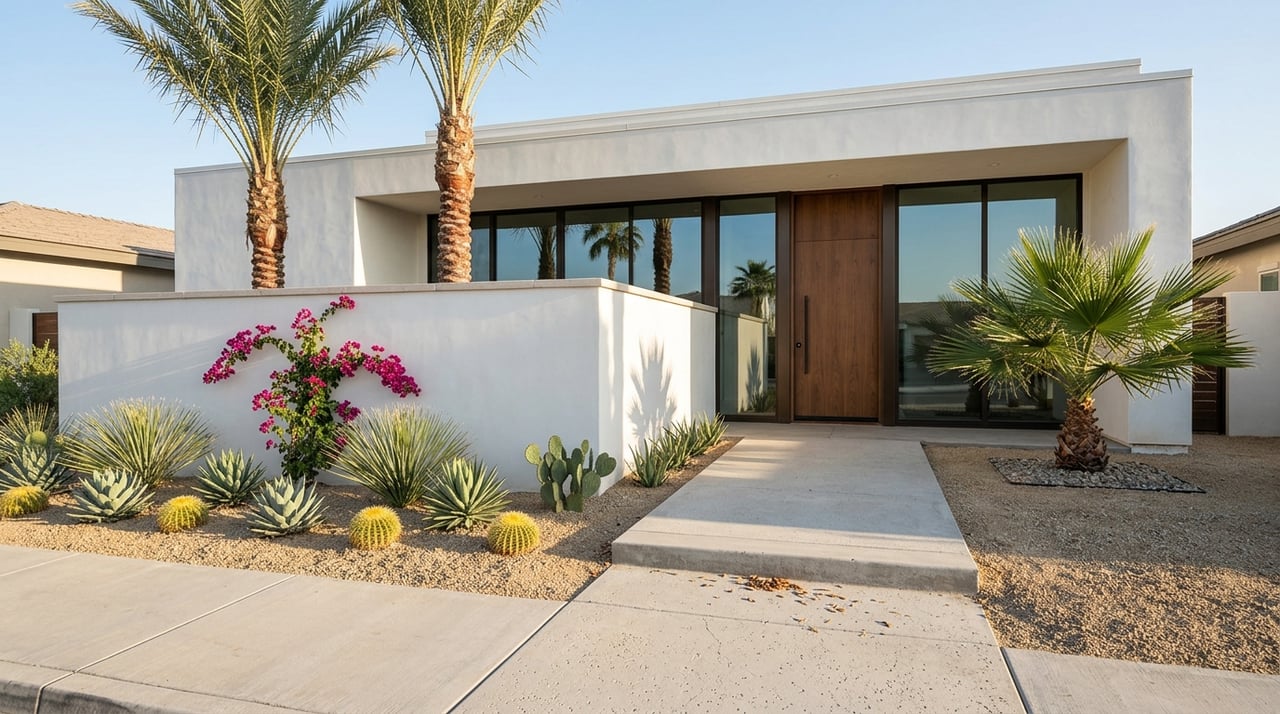
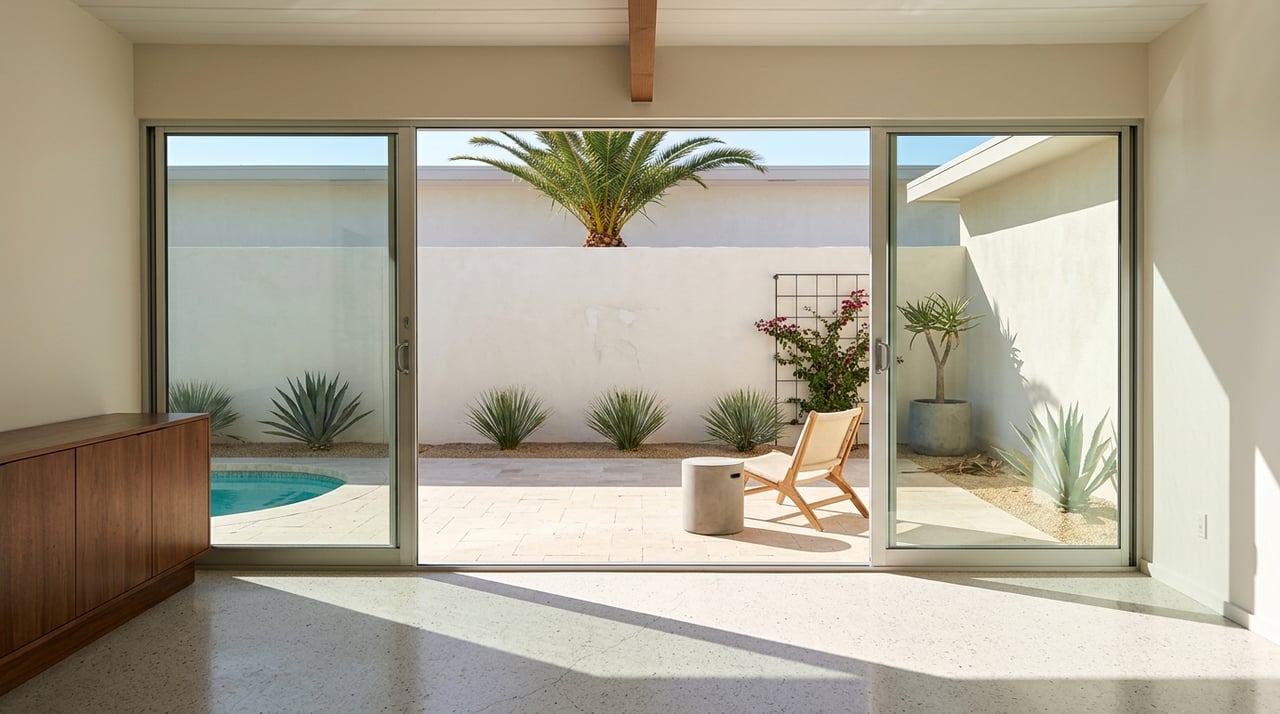
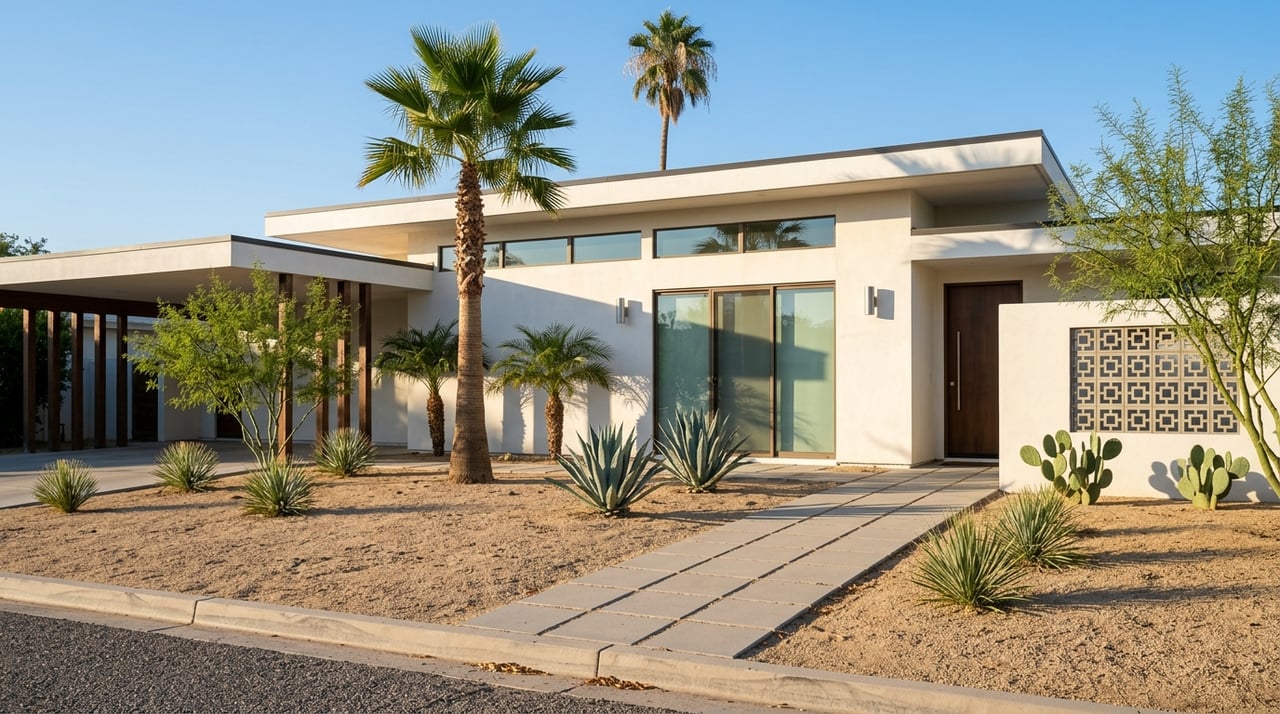
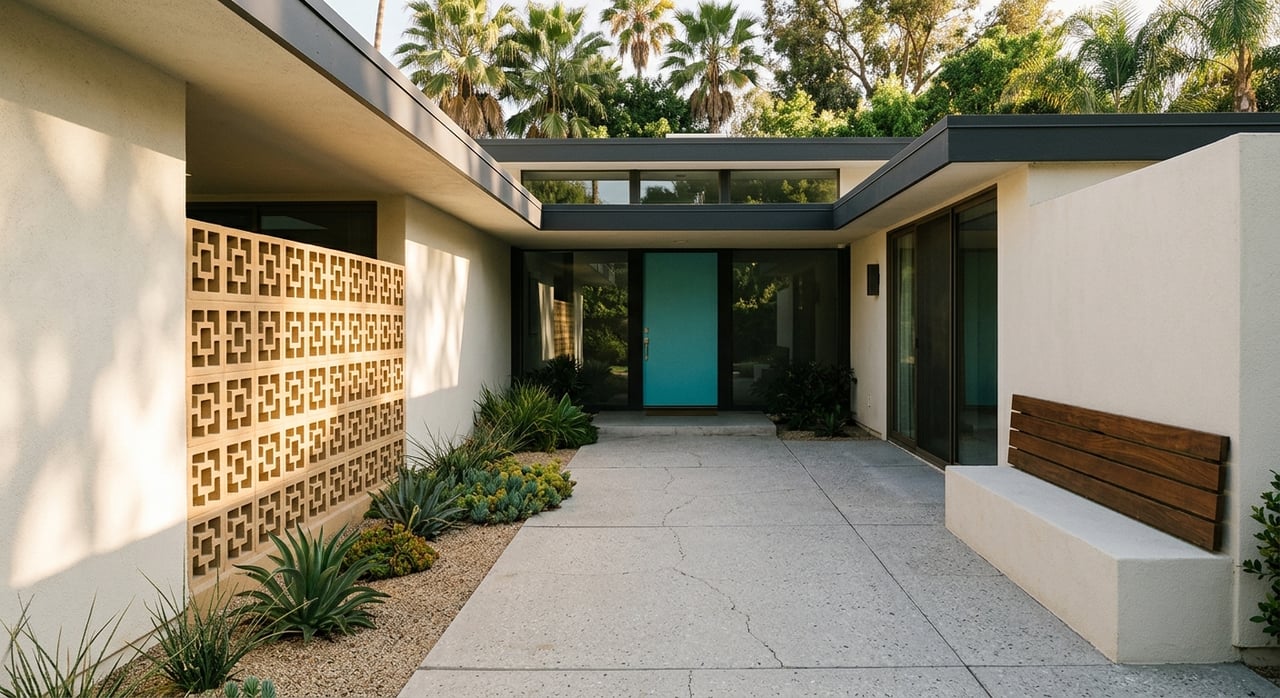
Palm Springs modernist houses often feature large glass walls, steel or wood windows, flat or low‑slope roofs, and post‑and‑beam structures. These elements define the character that the Mills Act aims to preserve, and they can require specialized repair. The National Park Service recommends repair where feasible and offers guidance on sensitive upgrades to windows and doors.
- Practical preservation guidance for windows and doors: National Park Service brief
Focus your inspections on:
- Roof and drainage: membrane condition, flashings, parapet edges, ponding risk. Use a low‑slope roof specialist.
- Windows and fenestration: confirm condition of original glazing and frames, and discuss preservation‑friendly efficiency options.
- Structure and pests: evaluate post‑and‑beam connections, bearing points, and any termite or dry‑rot activity.
- Systems: HVAC, electrical service, and plumbing for capacity, safety, and code compliance.
- Pools and site drainage: equipment condition, leaks, and grading.
- Exterior cladding and sealants: stucco, masonry, and joints affected by sun and temperature swings.
- Permits and code history: unpermitted work can trigger required corrections under a Mills Act contract.
Bring in a preservation‑savvy contractor or architect who can price the remaining workplan items. This helps you understand both your near‑term costs and your ability to stay in compliance with the contract.
Fees, inspections, and compliance
Palm Springs charges a one‑time application fee and a recurring five‑year inspection and report fee. The published checklist shows the five‑year inspection fee as 1,037 dollars and notes that application‑fee figures vary across City PDFs. Confirm the current fees and timing with the City before you apply or rely on an estimate. The City performs a pre‑approval review and follows up with inspections every five years to monitor contract compliance.
- Fee notes and timing appear in the Palm Springs Mills Act Application Checklist
Financing and lender questions to ask
Many lenders can finance Mills Act homes and often underwrite using the current abated tax payment. Lenders and securitized loan disclosures also note the risk that taxes could change if a contract is not renewed or is canceled. Ask your lender how they treat Mills Act savings in debt‑to‑income ratios and whether they require any escrow or covenants related to major preservation work.
- See how mortgage disclosures describe abatement risk: SEC filing example
Valuation, resale, and risk
Tax savings affect your monthly carrying cost and can make a property more attractive to preservation‑minded buyers. Remember that the assessed value is produced by the statutory income method, so results depend on the rent, expense, and capitalization‑rate inputs used by the Assessor. Because outcomes are property specific, get a parcel‑level estimate before you finalize price or financing assumptions.
If a jurisdiction cancels a Mills Act contract after required process, state law allows a cancellation penalty that is commonly 12.5 percent of full fair market value. That risk is one more reason to understand the home’s compliance status and the practicality of the workplan before closing.
- Learn more about cancellation penalties and process in a recent court discussion: Reference to cancellation and 12.5 percent penalty
Step‑by‑step evaluation checklist
Use this short sequence to keep your analysis tight and on schedule.
- Confirm designation. Verify Class 1, Class 2, or contributing status with the City of Palm Springs and request the designation report. Start at Palm Springs Historic Resources.
- Read the recorded contract. Obtain the full recorded Mills Act agreement and attachments, including the signed workplan. The City’s Mills Act bulletin outlines what to expect.
- Gather compliance history. Request the last five‑year inspection report and any City correspondence about required corrections.
- Model taxes with the Assessor. Collect recent tax bills and request a parcel‑specific estimate. For context on Riverside County resources, see the Assessor’s ACR materials, and use the BOE method to understand the math.
- Inspect with preservation in mind. Order roof, WDO, structure, systems, pool, and fenestration evaluations. Use a contractor who can price the workplan.
- Verify HOA consent. If applicable, confirm HOA sign‑off and review CC&Rs for exterior obligations using the City’s application checklist.
- Confirm financing approach. Ask your lender how they treat Mills Act taxes and whether any reserves or covenants are required. Review your long‑term plan with a tax advisor.
Work with a local Mills Act advisor
Buying a Mills Act home is equal parts inspiration and precision. When you pair Palm Springs architectural expertise with disciplined contract review, you protect the character you love and the numbers you depend on. If you want a second set of eyes on a contract, a workplan, or a parcel‑specific tax estimate, connect with Roger Gendron for guidance tailored to your goals.
FAQs
What is the Mills Act in California and how does it affect Palm Springs buyers?
- It is a state program that lets cities and counties contract with owners of historic properties to reduce property taxes in exchange for preservation obligations; contracts renew annually, run with the land, and are explained by the state program overview.
How are Mills Act property taxes calculated in Riverside County?
- The Assessor applies the income‑capitalization method in R&T section 439.2 by estimating rent, subtracting allowed expenses, then dividing by a prescribed capitalization rate, as detailed in the BOE guidance.
Which documents should I request before buying a Mills Act home in Palm Springs?
- Ask for the recorded contract and workplan, last five‑year inspection report, permits and invoices for completed work, recent tax bills and a parcel‑specific estimate, title report, and HOA consent if applicable; the City’s checklist shows typical requirements.
Do HOAs need to approve Mills Act contracts for condo buildings in Palm Springs?
- Yes, when exterior maintenance is shared, the HOA must be a signatory on the contract as described in the City’s Mills Act technical bulletin.
What fees and inspections should I expect from the City of Palm Springs?
- The City lists a one‑time application fee and a five‑year inspection/report fee, with the checklist showing 1,037 dollars for the five‑year inspection; confirm current amounts in the application checklist.
What happens if a Mills Act contract is canceled for breach?
- After notice and hearing, cancellation can trigger a statutory penalty commonly equal to 12.5 percent of full market value and reassessment consequences, referenced in this cancellation discussion.